Six Oil Wars Are Tearing Up Global Supply at Once — SkimNews
Get the Energy newsletter
Daily energy & climate — solar, EVs, oil, the policy fights and tech bets shaping the transition. Free.
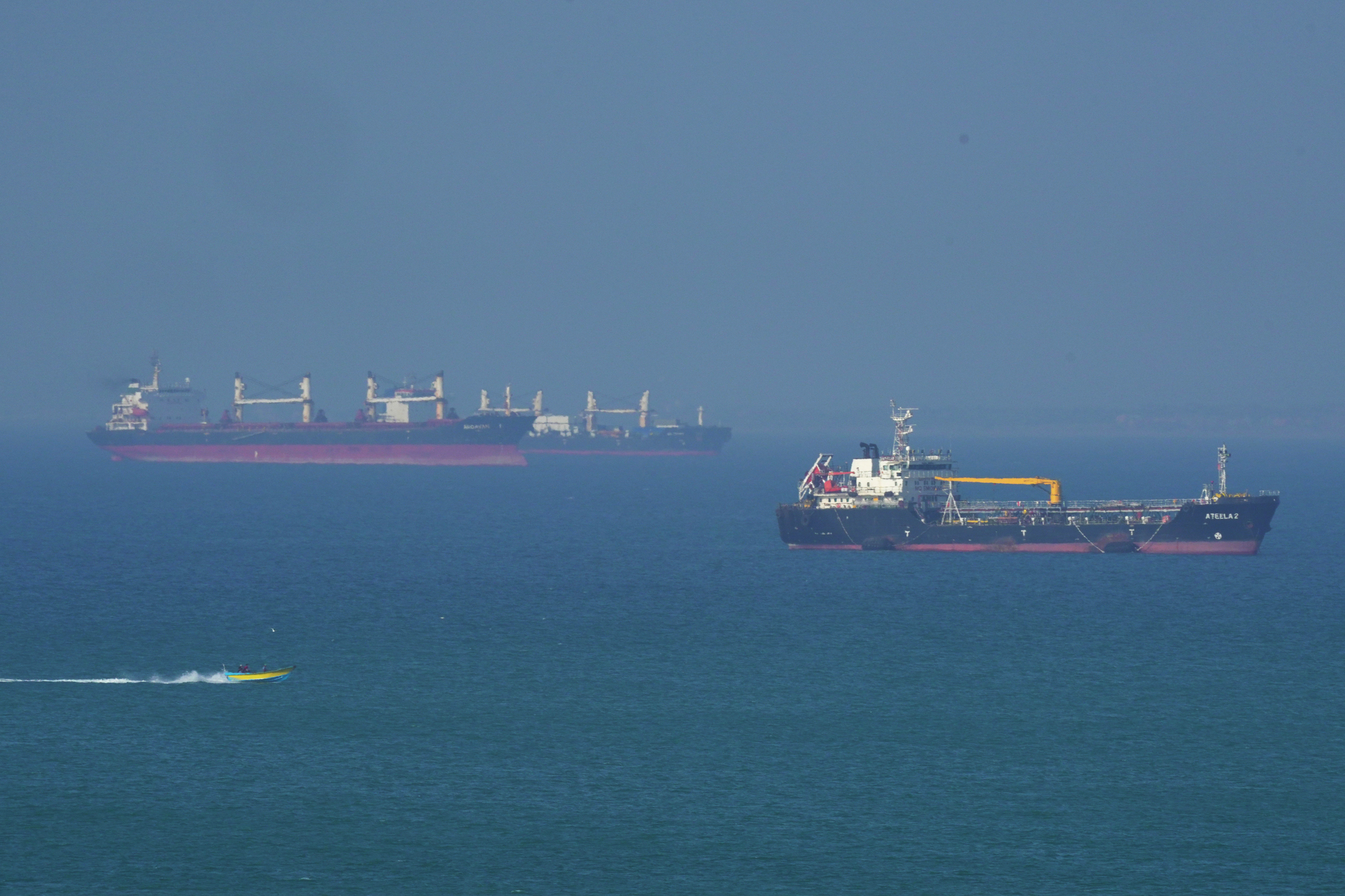
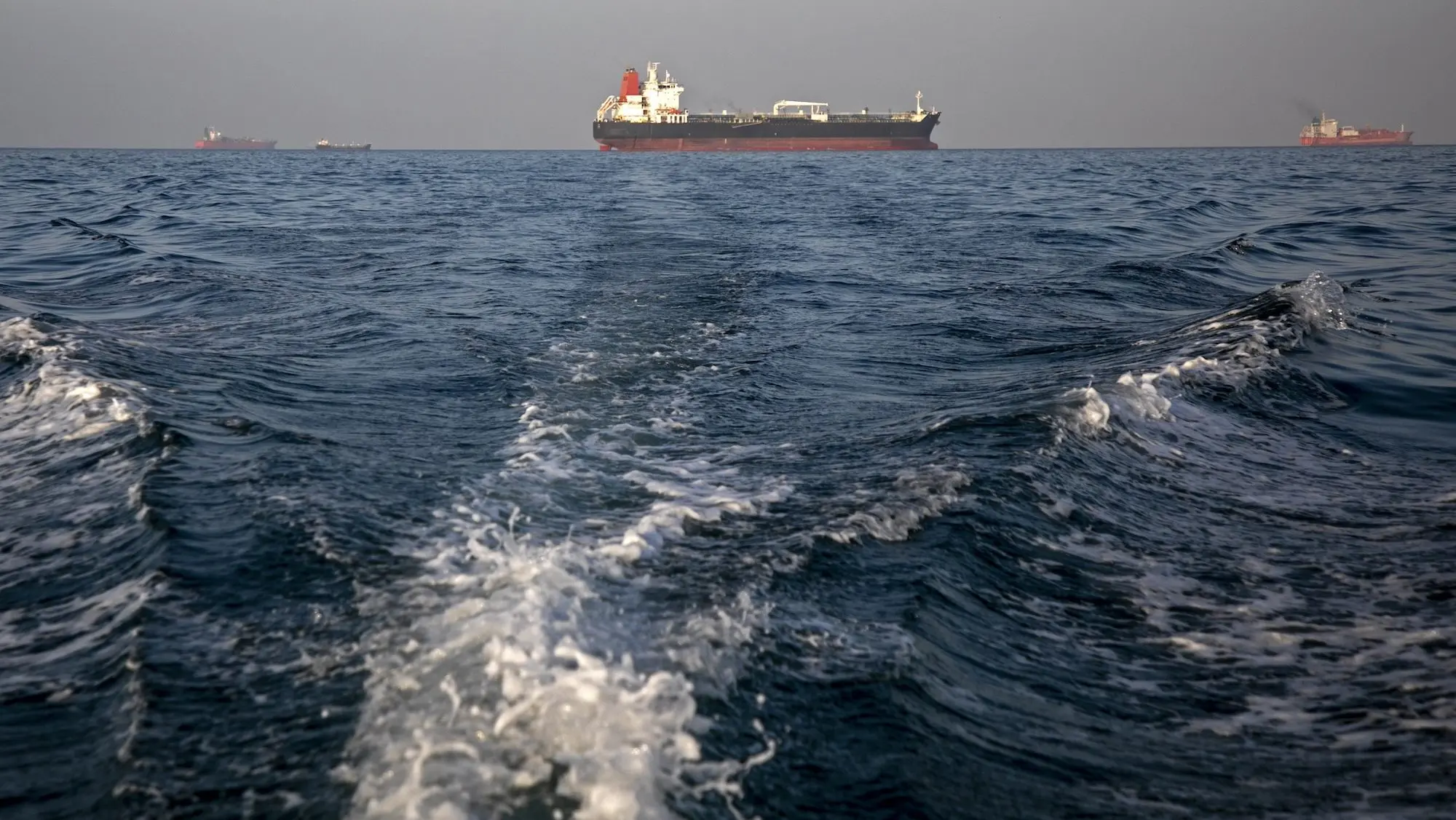
- The Strait of Hormuz has been largely closed since March after the US and Israel killed Iran's Supreme Leader Ali Khamenei, reducing traffic to a trickle through the waterway that once carried roughly a fifth of the world's oil.
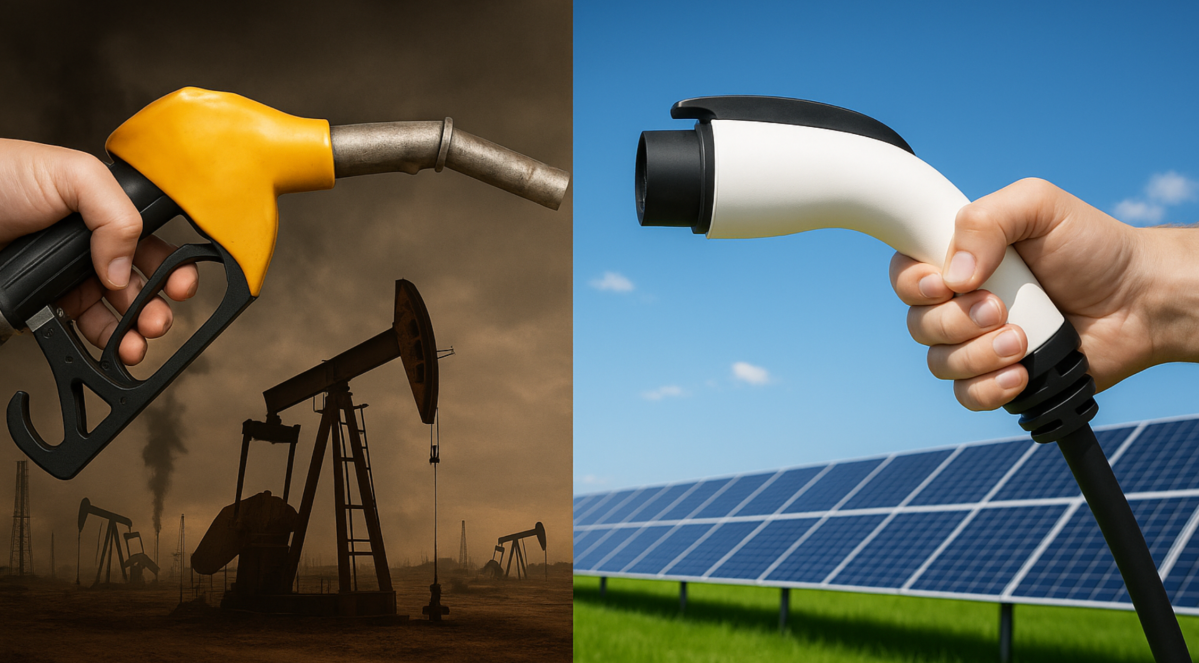
- China's rapid EV adoption cushioned the resulting price shock — China slashed oil imports despite being East Asia's largest consumer, and analysts credited the move with saving the world from a worse spike.
- Houthis blew up a pumping station on Saudi Arabia's East-West pipeline last week, forcing a precautionary shutdown that eliminated a key alternative route for oil bypassing Hormuz.
- Ukraine has struck 24 of Russia's 33 biggest oil refineries, dropping Russia's refining capacity to 70% of domestic use, causing gas station lines and pushing Russian EV sales to more than double in three months.
- Cuba is racing to build solar power and electrify transport in response to a US oil blockade that has triggered rolling blackouts, trash-filled streets, and forced doctors to manually pump ventilators for infants in intensive care.
- Roughly 43% of the world's oil now comes from countries hit by active conflict, per an analysis cited in the article, with none of the disruptions linked to the rise of electric vehicles.
Why it matters: The simultaneous convergence of oil conflicts is tightening global supply at a moment when China has already absorbed the shock through EVs, proving the disruption is geopolitical, not transitional. Ukraine's refinery campaign has effectively knocked Russia off international oil markets, removing a major exporter from the global balance. Oil-dependent economies face sustained price pressure while EV-adopting nations gain a structural buffer against geopolitical shocks.
Ask SkimNews