Iran-US Talks Deadlocked on Sequencing, Not Substance — SkimNews
Get the Geopolitics newsletter
Daily geopolitics — wars, elections, sanctions, the diplomatic moves that move markets. Free.
- The June 18 Islamabad memorandum was the only concluded Iran-US negotiation since the war began, and it collapsed within days after Tehran suspended participation over the absence of a Lebanon ceasefire, which had been a consistent Iranian demand since March.
- The "embassy siege complex"—stemming from the 1979 hostage crisis in which Iranian students held 52 Americans for 444 days—produces an informal US rule that Iran must concede first and its concession verified before receiving anything in return.
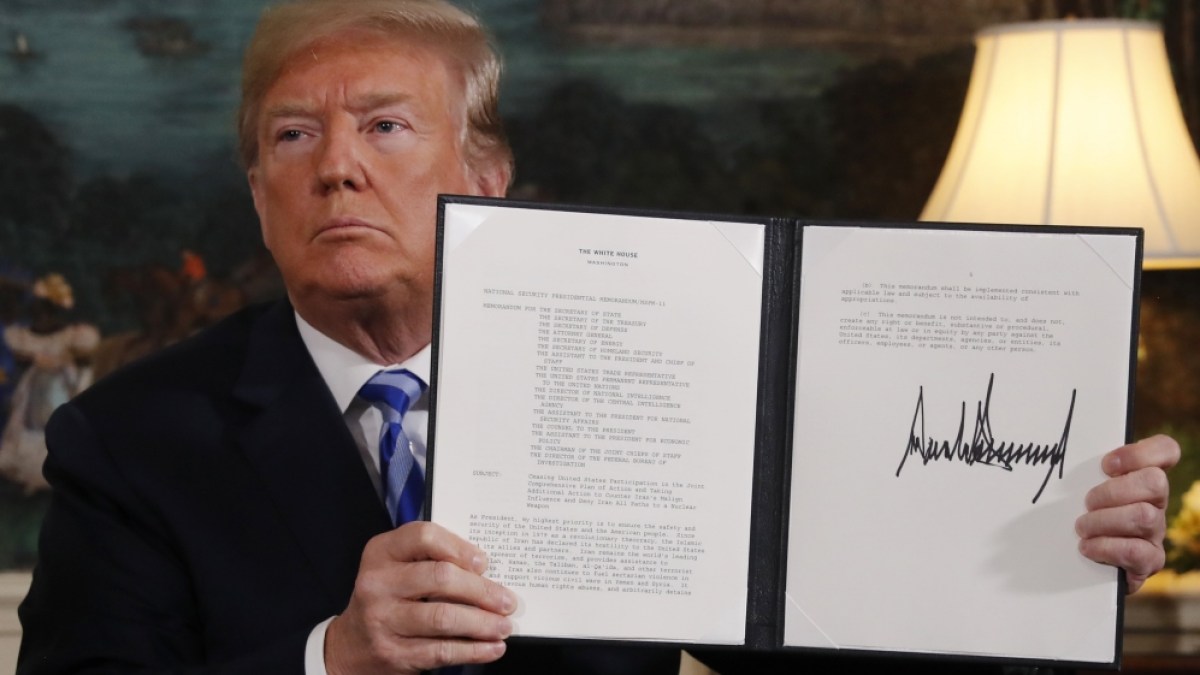
- The "JCPOA withdrawal complex" traces its peak to President Donald Trump's May 2018 exit from the nuclear deal despite IAEA confirmation of Iranian compliance, producing an Iranian rule that no step will be taken before binding guarantees and no concession before pressure is lifted.
- Secretary of State Mike Pompeo announced 12 demands just two weeks after the JCPOA exit—only 4 related to the nuclear file, with 7 addressing Iran's regional behavior in Lebanon, Palestine, Iraq, Yemen, Syria, Afghanistan, and the Gulf.
- The US 15-point plan in March demanded dismantling the Natanz, Isfahan, and Fordow facilities, ending uranium enrichment, suspending the missile program, and abandoning regional allies in exchange for promised future sanctions relief.
- Tehran's seven-day plan proposed last month required lifting of sanctions and the US naval blockade before Iran would open the Strait of Hormuz on day six and begin nuclear talks on day seven.
- By late September, informed sources indicated the dispute had shifted from substance to sequencing, with the stated goal becoming a return to an enhanced version of the June memorandum—the substantive gap narrowing considerably while the trust gap persisted.
Why it matters: With substantive demands narrowing significantly since 2018—when seven of Pompeo's twelve demands addressed Iran's regional behavior—the June 2025 US strikes on Fordow, Natanz, and Isfahan during scheduled Muscat talks have deepened both complexes into what the analysis calls a single stable syndrome, meaning no sequencing formula can break the deadlock without third-party guarantees addressing both sides' core concerns simultaneously.
Ask SkimNews