Canadian Homeowner Hits 27 kW After 51 cm Snow — SkimNews
Get the Energy newsletter
Daily energy & climate — solar, EVs, oil, the policy fights and tech bets shaping the transition. Free.
- spenney09 lives at 47° N in Canada’s foggiest, cloudiest city, in a 130‑year‑old house with a flat roof and an 8.1 kW rooftop solar system.
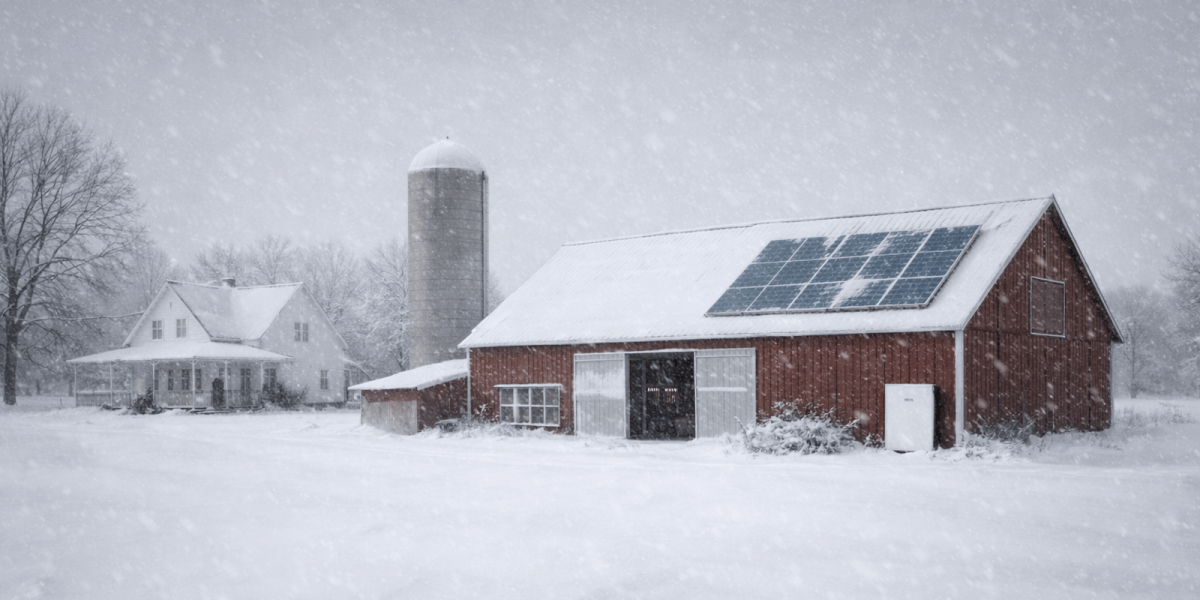
- spenney09 reported a late‑March snowstorm that deposited 51 cm (≈20 in) of snow, after which the panels produced very little power during the storm but resumed generation afterward.
- spenney09 noted that 24 hours after the snowstorm the system produced 27 kW, exceeding the house’s demand and feeding excess electricity back to the grid.
- spenney09 said the solar array supplied 23 % of the household’s electricity last year, leaving 77 % still purchased from the grid.
- Kristina Zagame (EnergySage) explained that cold temperatures boost panel efficiency, so winter solar can be more valuable in colder, higher‑price‑energy regions.
- Craig Merrow commented that his own southern‑Maine system yields about 16 kWh in winter and 36 kWh in late spring, illustrating regional variation but supporting the idea that winter output is possible.
Why it matters: Homeowners in northern, fog‑prone regions gain a tangible energy offset—23 % of demand in this case—while still buying most power from the grid, showing that winter solar can cut bills and generate revenue even after heavy snow, contrary to the common myth that cold weather renders panels useless.
Ask SkimNews