Indonesia, Singapore seal 26 deals at Jakarta summit — SkimNews

SkimNews Take
The simultaneous bundling of energy, digital, and supply-chain agreements signals ASEAN's two largest economies moving from normative consensus-building toward bilateral value-chain integration, where structural interdependence replaces collective diplomacy as the organizing principle.
Get the Geopolitics newsletter
Daily geopolitics — wars, elections, sanctions, the diplomatic moves that move markets. Free.
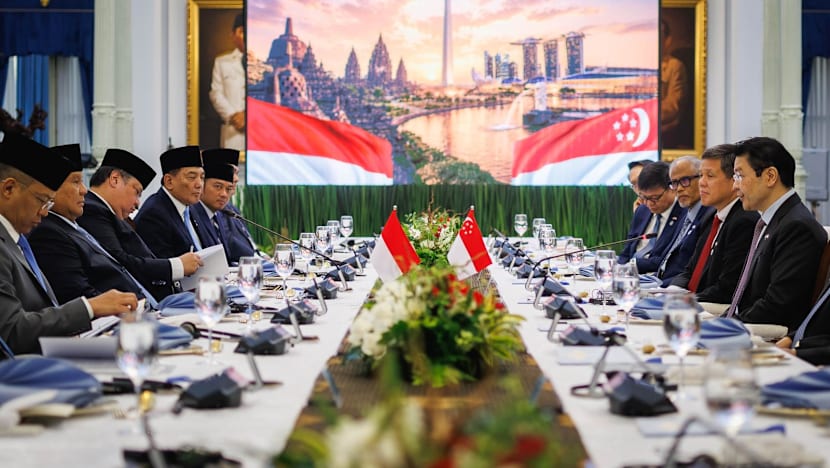
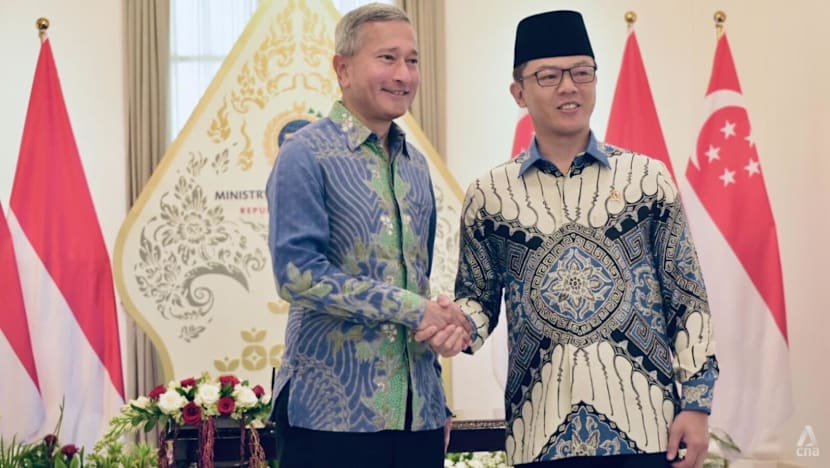
- Prabowo and Lawrence Wong presided over the annual Indonesia-Singapore Leaders' Retreat at Jakarta's Merdeka Palace on July 6, producing 26 deliverables — 18 government-to-government pacts and 8 business-to-business agreements — spanning supply chain resilience, digital infrastructure and clean energy interconnection.
- Headline agreements included cross-border electricity trading frameworks and multibillion-dollar solar projects in Morowali backed by Indonesia Investment Authority and Sembcorp, alongside cross-border insolvency legal cooperation.
- Jakarta used Wong's visit to showcase Danantara (Daya Anagata Nusantara), its new sovereign wealth fund, positioning it as a rival to Singapore's Temasek and GIC.
- Persistent friction points include Indonesia's stop-and-start sea sand and sediment export bans for Singapore's land reclamation, plus mandates for local data center hosting and required technology transfers in green energy projects.
- Singapore's clean energy lifeline runs through Indonesia — without green electricity imports, the city-state's manufacturing hubs and data centers risk losing global competitiveness and failing to clear international carbon requirements.
- Strait of Malacca security featured in the talks, with Singapore seeking Indonesian assurance the waterway remains open under international maritime law amid traffic diverting from volatile Middle East transit routes including the Strait of Hormuz.
- US-China rivalry shapes the bilateral dynamic: Singapore maintains strategic alignment with Washington while serving as a financial conduit for Chinese capital, while Indonesia balances Beijing's economic footprint by upgrading defense ties with the US and Western allies.
Why it matters: Singapore depends on Indonesian green electricity imports to meet net-zero targets and keep its manufacturing hubs competitive, while Jakarta channels Singapore-linked FDI into Prabowo's capital-intensive infrastructure and downstream projects. The cross-border power framework signed at the summit could anchor the long-elusive ASEAN Power Grid, transforming the bilateral relationship from aspirational rhetoric into hardwired, infrastructure-level integration.
Ask SkimNews