Cinaciguat Halves Amyloid Beta in Aging Rats — SkimNews
Get the Health newsletter
Daily health & science — research, biotech, public health, the studies worth knowing. Free.
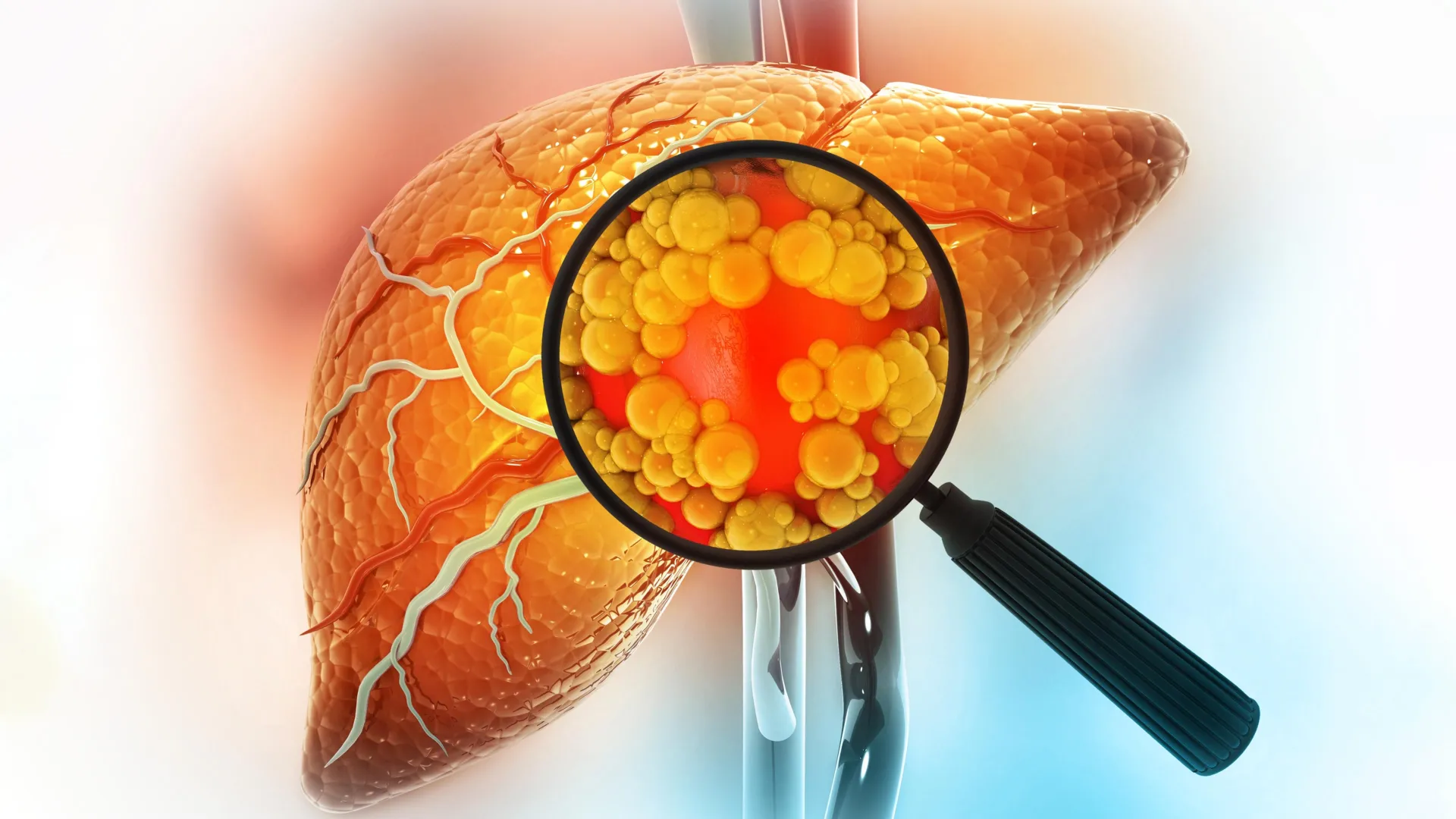
- Cinaciguat restored the structure and function of aging liver sinusoidal endothelial cells in rats after two weeks, reopening microscopic pores and improving their support for clearing substances from blood.
- Amyloid beta concentrations fell approximately 50% in treated older rats to levels comparable with young rats, while untreated older animals showed no similar improvement.
- LDL concentrations in treated older rats unexpectedly fell to levels seen in young animals, even though LDL particles are small enough to bypass the LSEC pores.
- HB-EGF release from LSECs, triggered by cinaciguat activating soluble guanylate cyclase, prompted nearby hepatocytes to alter their surfaces and capture more LDL and amyloid beta.
- Journal of Biological Chemistry published the study, which researchers described as the first to fully restore aging LSEC structure and function and return elevated circulating amyloid beta and LDL to youthful levels.
- Sam de Leve said researchers will continue testing cinaciguat in rats to determine whether reduced circulating amyloid beta translates into measurable protection from Alzheimer’s disease.
- Laurie DeLeve said the findings align with epidemiological results linking age and liver damage as risk factors for Alzheimer’s and atherosclerosis, while further translational work is needed to determine whether they point to new therapies.
Why it matters: The gain for Alzheimer’s and atherosclerosis researchers is a liver-directed target outside the blood-brain-barrier delivery problem: two weeks of cinaciguat cut circulating amyloid beta about 50%. The study used rats and did not show fewer brain plaques or establish human benefit.
Ask SkimNews