Iran's $1/Bbl Hormuz Toll Plan Faces Legal Wall — SkimNews
Get the Geopolitics newsletter
Daily geopolitics — wars, elections, sanctions, the diplomatic moves that move markets. Free.
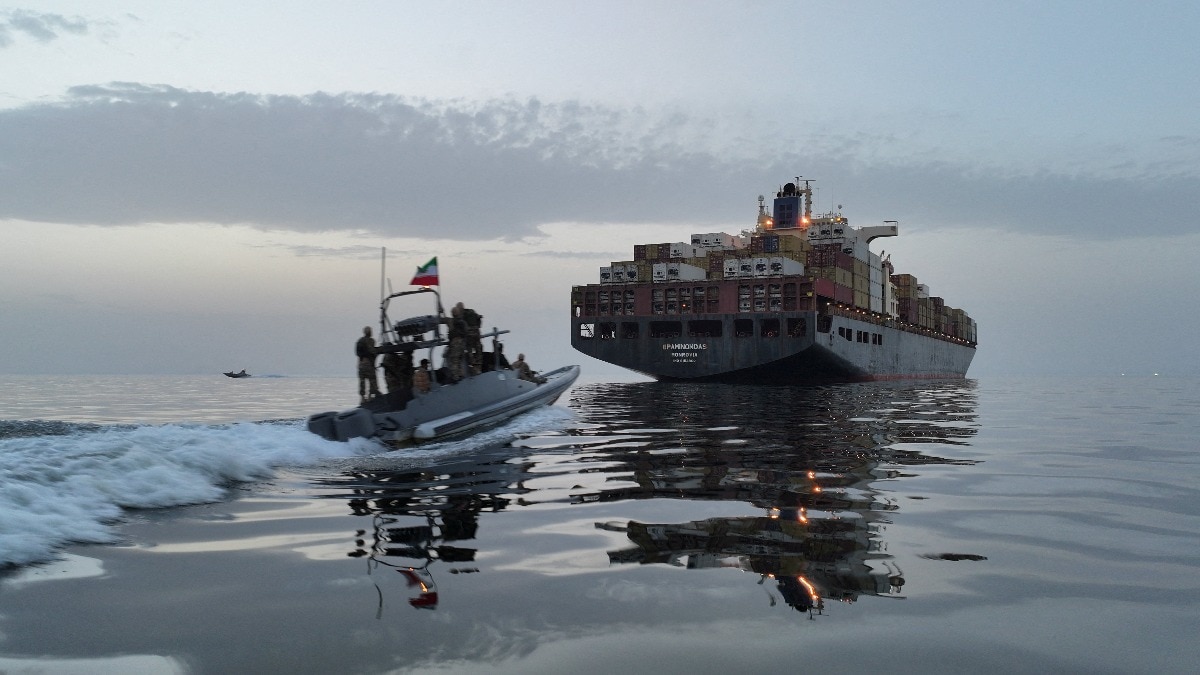
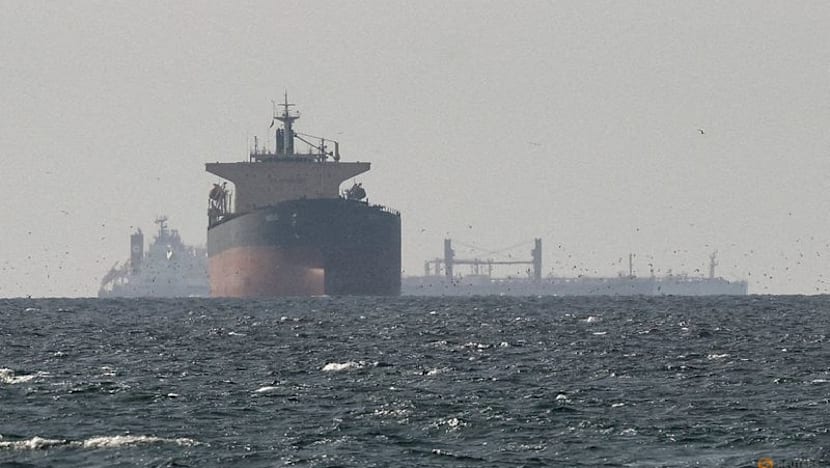
- Iran has proposed a US$1-per-barrel transit fee for ships passing through the Strait of Hormuz, which could cost a Very Large Crude Carrier carrying 2 million barrels up to US$2 million per transit, and offered to split the revenue with Oman.
- Legal experts including Australian National University professor Donald Rothwell say Iran cannot lawfully impose tolls under the UN Convention on the Law of the Sea, which classifies Hormuz as an international strait and bars charges on foreign vessels for the right of passage alone.
- US President Donald Trump suggested a potential joint US-Iran venture to collect such tolls — a proposal Rothwell called 'particularly concerning' given the US has staunchly opposed strait tolls for decades.
- The UAE warned the waterway must not be weaponized, and Greece said it would be unacceptable for ships to pay to transit, cautioning that a toll regime would set a dangerous precedent for global navigation.
- Lebanon has emerged as a major flashpoint threatening the ceasefire: Iran insists any truce halt Israeli attacks on Hezbollah, while Israel argues Lebanon is not covered; heavy Israeli bombardment of Beirut on April 8 put the shaky truce at risk, with Iran warning it could continue locking down Hormuz.
- Vice President JD Vance is set to lead the US delegation in direct talks with Iran in Pakistan this weekend — the first face-to-face meeting between the two sides — though analysts say huge gaps in demands make a breakthrough unlikely.
- Analysts argue Iran, though militarily weakened, may have strengthened its strategic leverage: H A Hellyer of the Royal United Services Institute said Iran now enjoys more effective control over the Strait of Hormuz than it did before the five-week war.
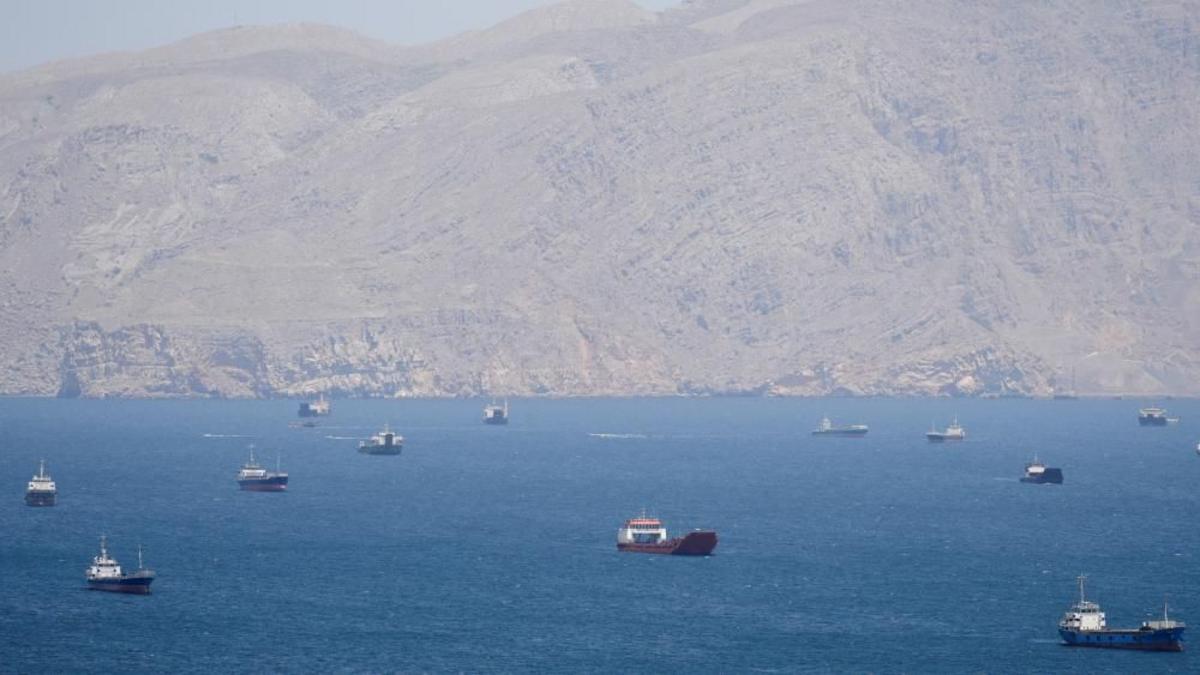
Why it matters: Roughly 20 per cent of the world's oil and liquefied natural gas transits the 34km-wide Strait of Hormuz, making any Iranian toll regime — or a US-Iran joint collection venture — a direct threat to Gulf exporters and European and Asian energy importers that depend on unfettered passage. Even if the fees are ruled illegal under UNCLOS, Iran's de facto wartime control of the chokepoint gives it leverage that outlasts the battlefield outcome, effectively rewarding the side the US failed to force into submission.
Ask SkimNews