US‑Iran deal should see oil and LNG begin to flow again – slowly — SkimNews

Get the Geopolitics newsletter
Daily geopolitics — wars, elections, sanctions, the diplomatic moves that move markets. Free.
- Trump declared "Ships of the World, start your engines" after the US-Iran deal, and Brent crude fell below $80 to $78.96 a barrel for the first time since early March, signaling traders believe the agreement will hold
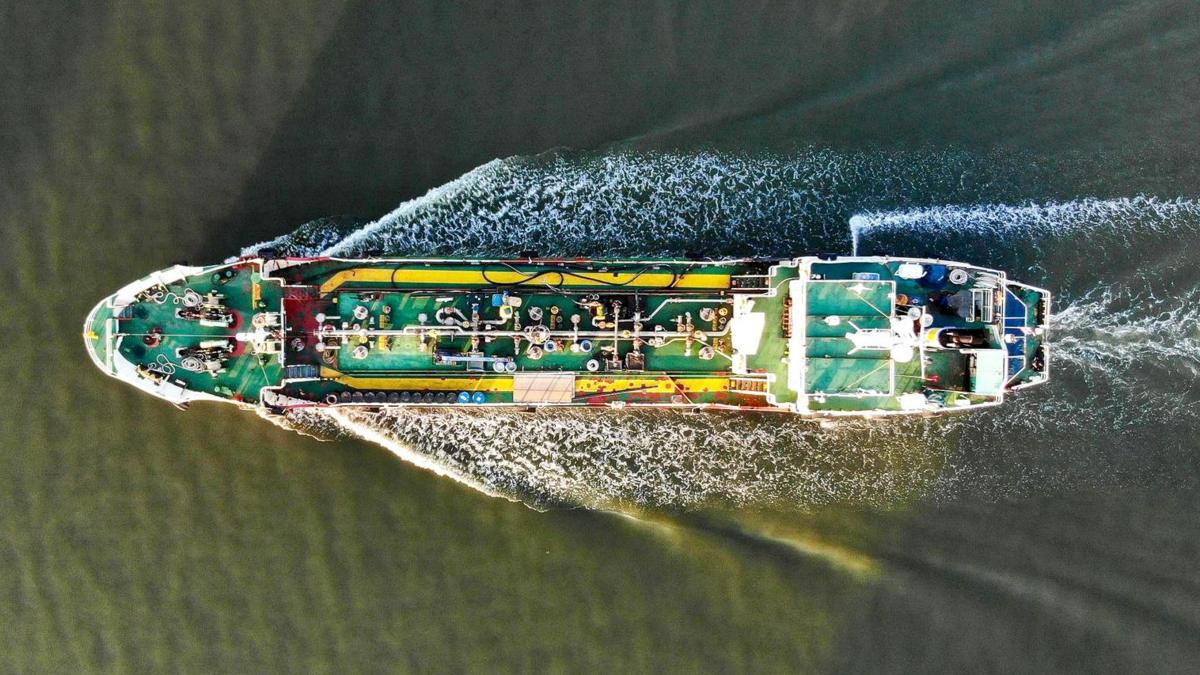
- The US Navy said its blockade of the Strait of Hormuz will remain in place until the agreement is signed on June 19, while about 60 crude-loaded tankers trapped in the Persian Gulf since February may begin moving
- QatarEnergy said repairs to the Ras Laffan LNG complex will keep 12.8 million tonnes of capacity offline for 3-5 years after Iran's attack on the facility, which had produced almost 19% of global LNG output before the war
- The UAE said full oil flows through the strait won't resume until 2027, and Iran's South Pars gas infrastructure was damaged by Israeli strikes though Tehran said it restarted production at three offshore platforms
- 38 vessels were hit during the conflict — 24 by Iran, four by the US, the rest unconfirmed — and mines laid by Iran could take months to clear from the strait
- Iran and the US sent conflicting messages on access: Iran's Mehr news said the strait would reopen within 30 days under "Iranian arrangements" with a fee, while Trump declared it toll-free, and no published text of the draft agreement exists
- Australia weathered the supply shock by importing record diesel volumes, remaining at level 2 of the National Fuel Security Plan with no mandatory fuel restrictions
Why it matters: A quarter of the world's seaborne oil and roughly a fifth of global LNG transits the Strait of Hormuz, so the gap between Trump's celebratory tone and the 6-month oil / 3-5 year LNG recovery timelines means prolonged supply constraints — Qatar alone will lose 12.8 million tonnes of LNG capacity for years, and the UAE's third-largest-oil-exporter status won't fully recover until 2027.
Ask SkimNews