Waymo CEO: Camera-only self-driving hits safety wall
Get the Tech newsletter
Daily tech — startups, AI labs, chips, the launches that shape the next decade. Free.
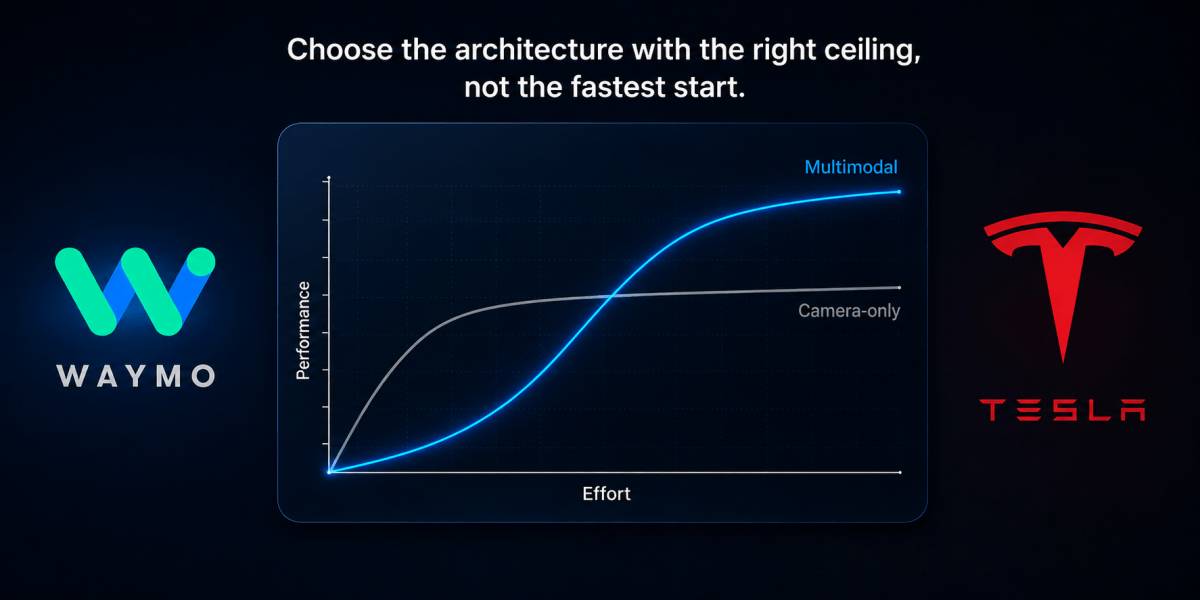
- Dmitri Dolgov argued that camera-only sensing hits a safety ceiling long before achieving superhuman performance, limiting its ability to reach full autonomy without human oversight.
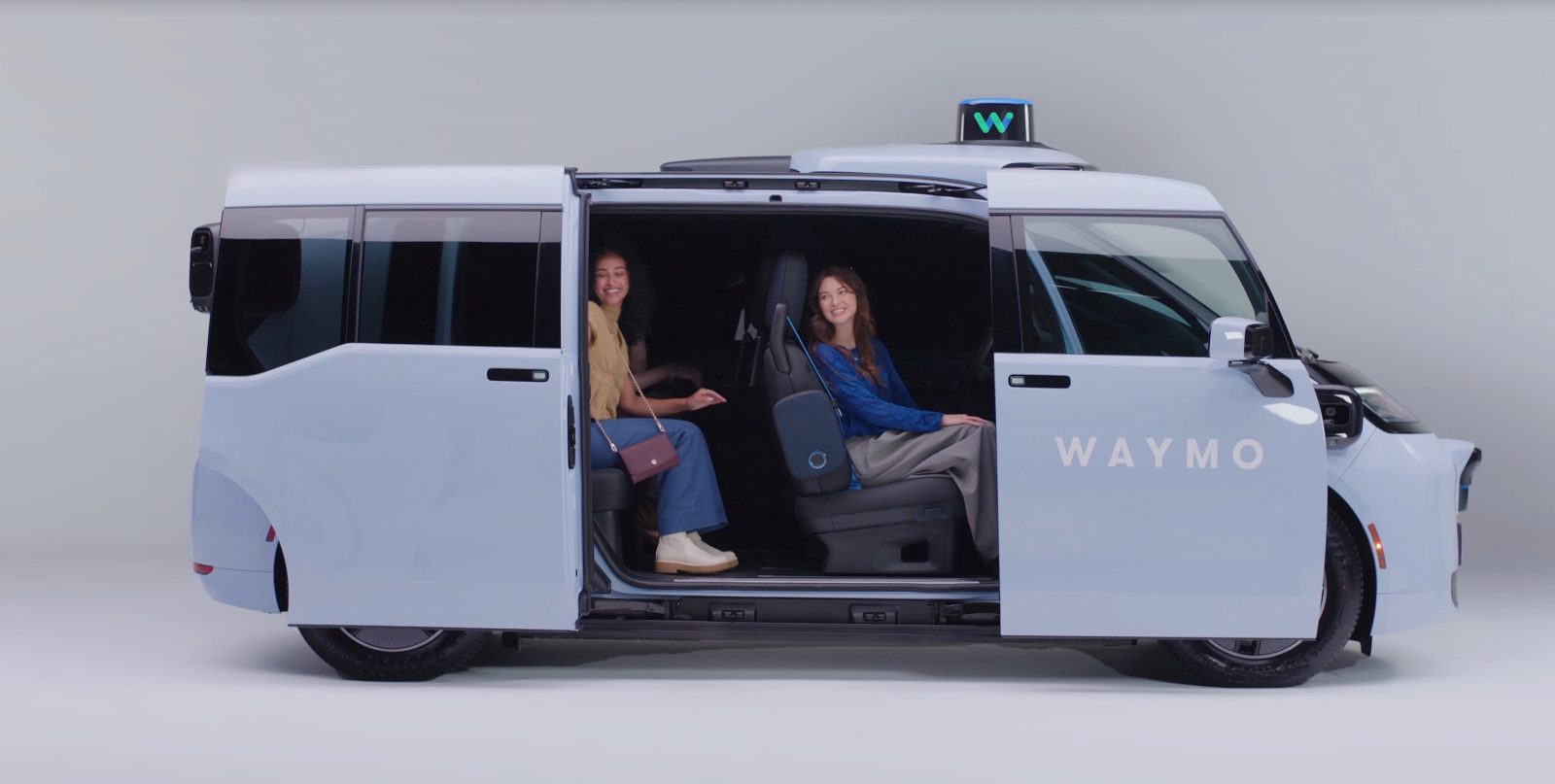
- Waymo uses fused data from cameras, lidar, and radar because each sensor compensates for the others’ weaknesses, creating a perception system vastly superior to any single modality.
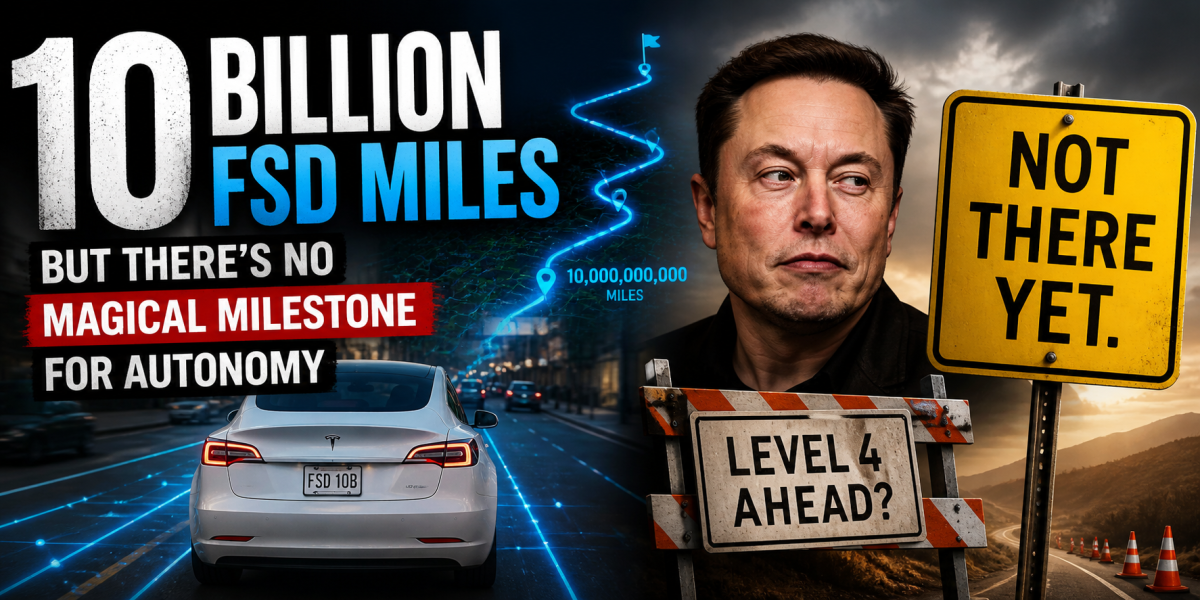
- Tesla removed radar and ultrasonic sensors from its vehicles in 2021 and 2022, going all-in on camera-based 'Tesla Vision' for its Full Self-Driving and robotaxi systems.
- Waymo has driven 220 million miles with no human driver and recorded 94% fewer serious-injury crashes than human drivers over the same distance.
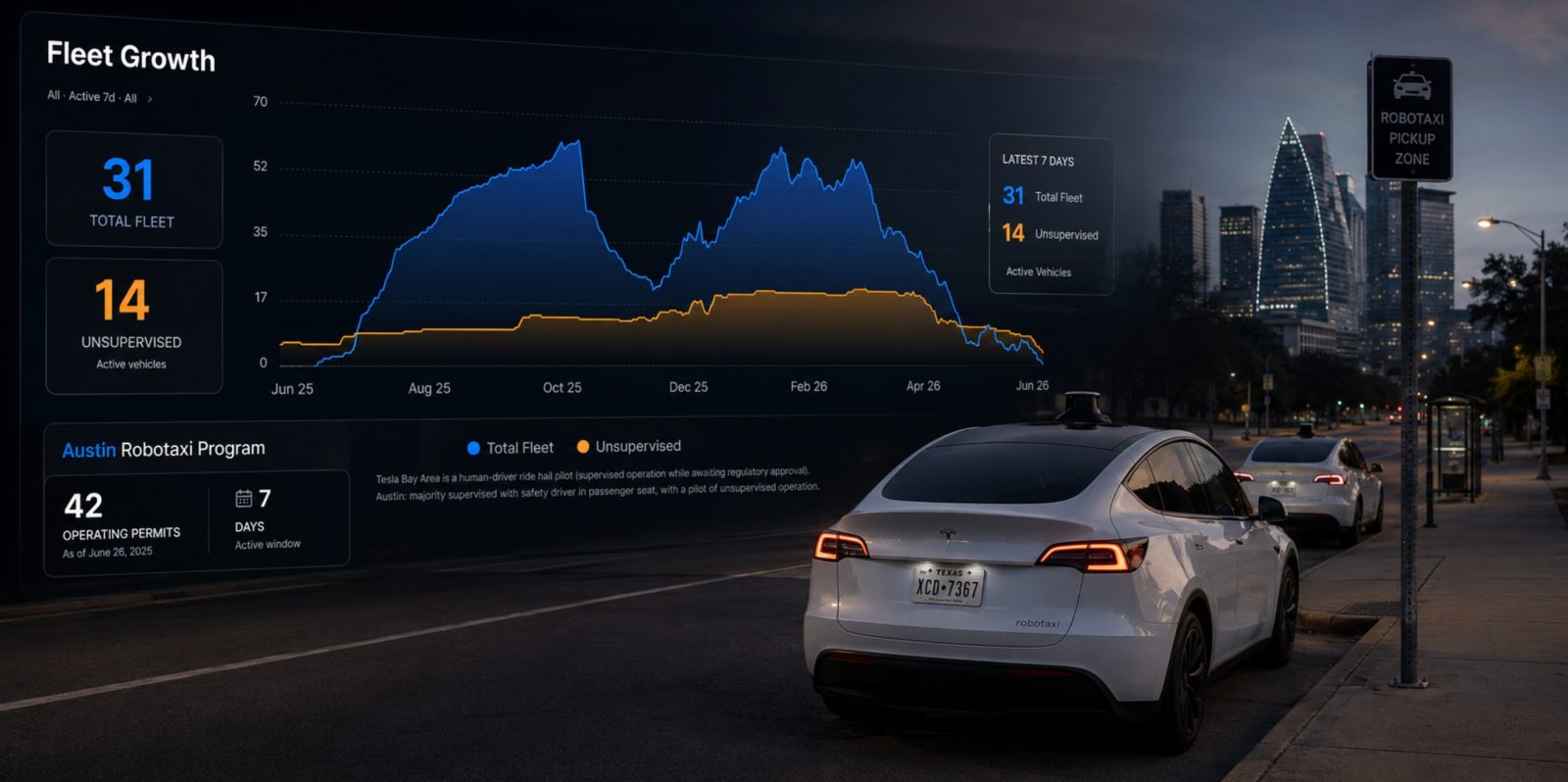
- Tesla has accumulated only 380,000 unsupervised driverless miles since launching its robotaxi service, a volume Waymo achieves in a single day.
- Dolgov dismissed cost as a lasting barrier to lidar adoption, noting Waymo’s sixth-generation hardware has drastically reduced prices, with the full package nearing $60,000.
Why it matters: Waymo’s real-world scale and safety data undermine Tesla’s claim that camera-only systems can achieve safe, scalable autonomy. With Tesla’s driverless mileage amounting to less than one day of Waymo’s operations, the gap in operational proof is material — not theoretical — and widens every week.