Muscle Aging Drug Target; Anesthetized Brains Still Process Language — SkimNews

Get the Health newsletter
Daily health & science — research, biotech, public health, the studies worth knowing. Free.
- Tang Hong-Wen / Priscillia Choy Sze Mun (Duke-NUS): PNAS study shows DEAF1 becomes hyperactive with age and drives excess mTORC1 signaling; lowering it restored strength in older mice, nominating the gene a future drug target for elderly who cannot exercise.link ›
- Sameer Sheth / Vigi Katlowitz (Baylor): Nature paper finds hippocampal neurons in fully anesthetized patients distinguish nouns, verbs, and adjectives and carry signals predicting upcoming words — the first Neuropixels language recordings in unconscious brains.link ›
- Wes Gurnee et al. (Anthropic): A July paper decoding Claude's internals found a 'J-space' hub that broadcasts stepwise reasoning across the network and registers 'covert thoughts' like 'fraud' and 'fake' that never reach the visible output.link ›
- John Sous / Logan Wright (Yale): Six physics benchmarks riddled with errors graded frontier AI as low as 30%; after corrections, scores reached 94% — and Claude now runs Wright's rubidium-laser experiments overnight.link ›
- Jake Auchincloss: Plans a bill borrowing Australia's early-phase trial regulator bypass to compress U.S. clinical timelines; rejected bipartisan China-protectionist biotech push and attacked OMB's Russ Vought for treating science as a 'blue state subsidy.'link ›
- Louis Longin / Ophelia Deroy / Bahador Bahrami (LMU München): Cognition study across ~1,100 trials finds people apply 'aware' to AI but draw a hard line at 'conscious' — even when behavior is identical to a human's.link ›
- Mark Merrony (Oxford): Pembrokeshire Roman fort with two late-fourth-century coins from Magnus Maximus's era matches the Mabinogion's 'Dream of Macsen Wledig,' forcing a rewrite of Roman reach into western Wales.link ›
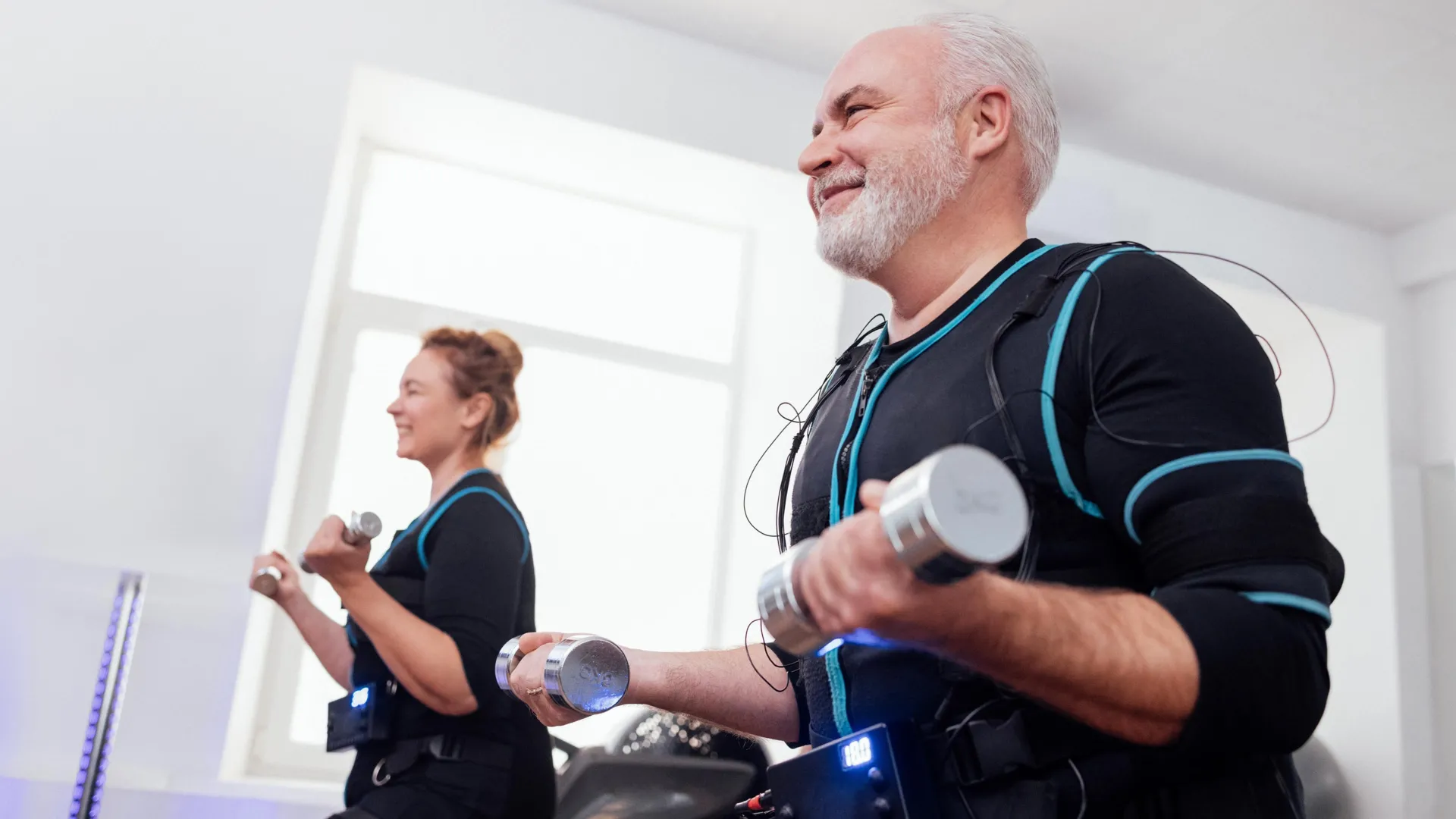
Duke-NUS researchers pin age-related muscle decline on DEAF1, a single gene that goes hyperactive with age and drives excessive mTORC1 signaling, choking off the cell's ability to clear damaged proteins. Exercise reverses the effect, the PNAS study found. Tang Hong-Wen and Priscillia Choy Sze Mun showed in fruit flies and older mice that artificially raising DEAF1 weakens muscle while lowering it restores strength — nominating DEAF1 as a drug target for older adults too sick to exercise. Separately, Baylor neurosurgeons Sameer Sheth and Vigi Katlowitz reported in Nature that hippocampal neurons in fully anesthetized patients still distinguish nouns from verbs and predict upcoming words — chipping away at what consciousness actually contributes to language.
The stories behind this week
AI Acts Human But Still Not Seen as ConsciousThe public’s resistance to attributing consciousness to AI—even with human-like behavior—means companies and media that describe AI as having intentions or inner experience may be shaping perception beyond actual belief. This linguistic framing could mislead users about AI capabilities, affecting regulation, trust, and ethical design.

Dolly to Lab Burger: 4 Unforgettable Biotech MomentsThe retrospective surfaces a pattern the original media frenzies missed: three of biotech's loudest breakthroughs — Dolly cloning, instant genome cures, and lab-grown meat — delivered far less than promised, while the face transplant, dismissed as freakish at the time, quietly scaled into a global practice of at least 54 procedures.
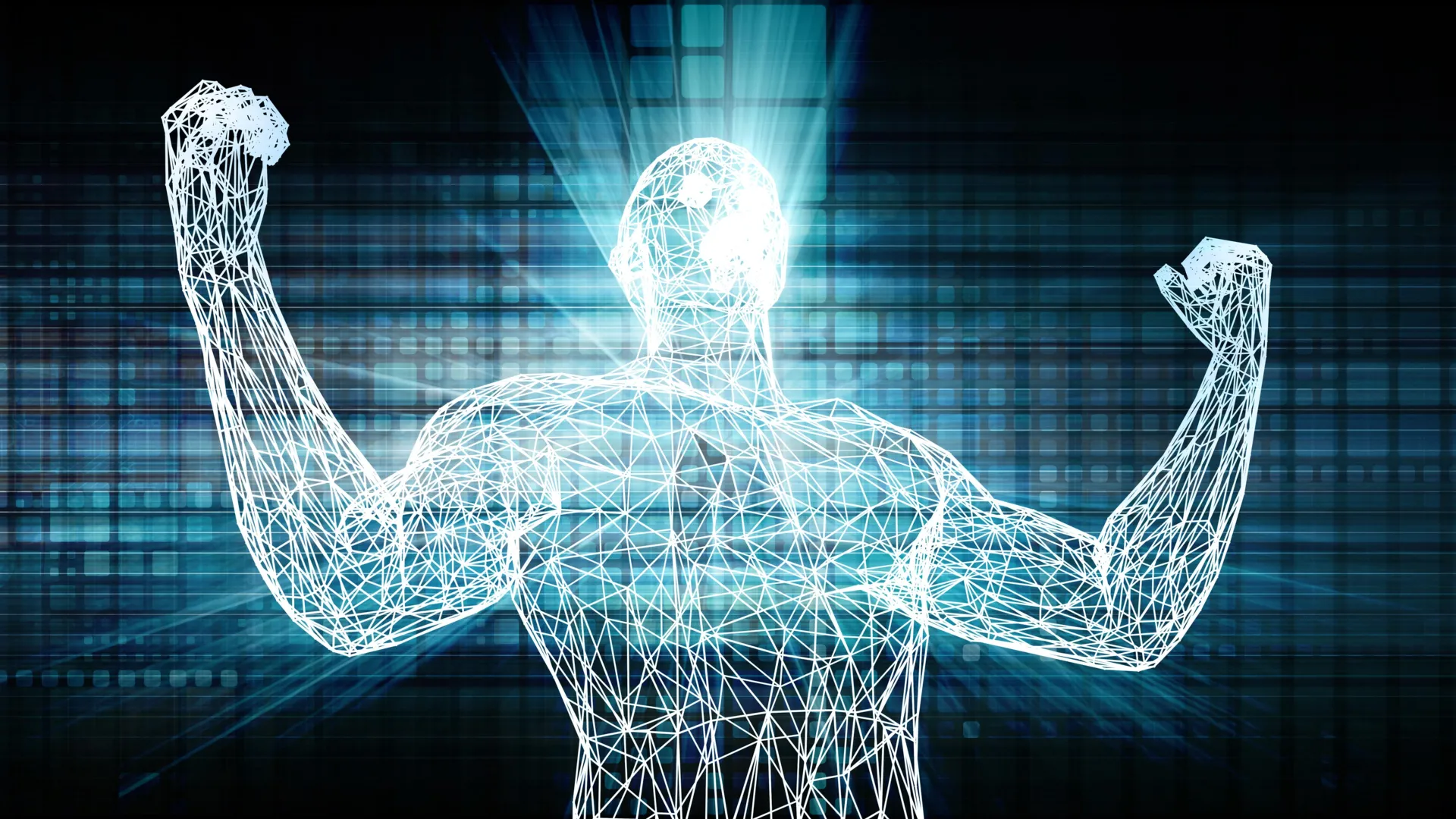
Scientists discover how exercise reverses muscle agingThe discovery reframes muscle aging as a protein-clearing failure, not just a growth failure, and nominates DEAF1 as a future drug target for the millions of older adults at risk of decline—especially those unable to exercise due to illness or recovery—potentially opening an entirely new therapeutic path beyond lifestyle intervention.

Auchincloss: Boost U.S. Biotech, Don't Target ChinaAuchincloss's proposed bill would import Australia's regulator-bypass for early-phase trials into the U.S. system, a concrete procedural change that could compress clinical development timelines for Massachusetts biotech firms, the state's economy depends on. His framing puts him at odds with the bipartisan instinct to treat China as the primary biotech threat.

Claude's 'J-Space' Mirrors Brain Consciousness HubDehaene's 30 years of global workspace experiments on humans, primates, and crows now have an AI test subject: Claude's apparent ability to monitor and register its own thinking failures moves the AI consciousness question from philosophical speculation to engineerable questions about what commercial models are actually doing internally—and gives labs like Anthropic a concrete lever for studying a disputed theory of mind.

Welsh Roman Fort Confirms Mabinogion Emperor LegendThe Pembrokeshire dig supplies the first material evidence tying a 1,700-year-old Welsh literary tradition to a real military location and timeframe, forcing a rewrite of how far Roman forces penetrated western Wales and how Rome engaged the local Celtic population. For archaeologists and Mabinogion scholars alike, two coins near a named peak convert a medieval story into testable history.

Will physics be the next field to be turned upside down by AI?Benchmark flaws meant physicists may have significantly underestimated AI's capabilities in their own field, mirroring concerns already raised in mathematics; with Claude already autonomously running rubidium-laser experiments overnight at Yale, AI's first genuine disruption of physics research may be closer than the 30% scores implied.
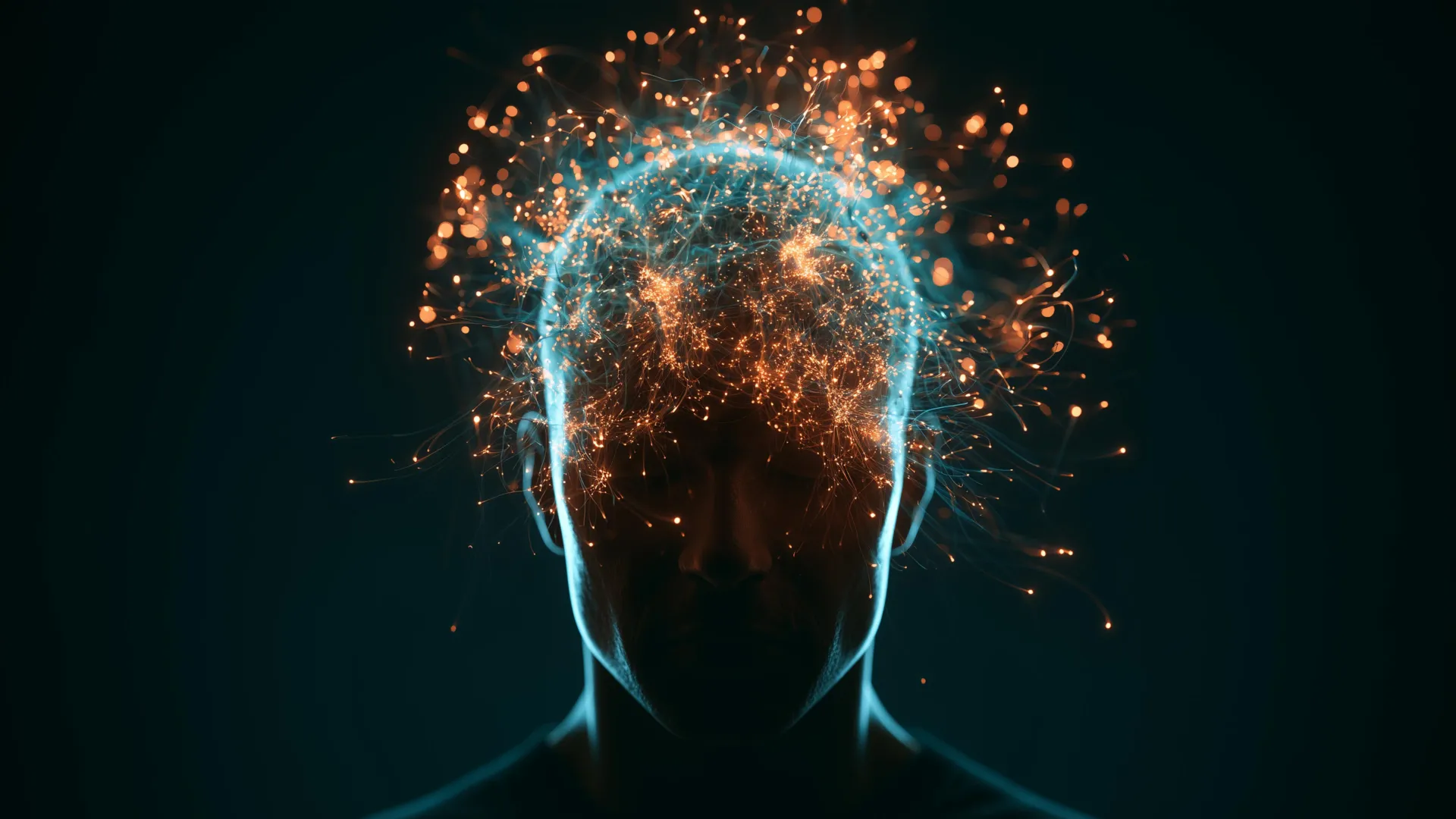
Anesthetized Brains Process Language and Predict WordsFor neuroscience, the finding reframes what consciousness actually contributes — sophisticated language processing and next-word prediction appear to run without subjective awareness. Practically, the Baylor team flagged brain-computer interfaces as a downstream application, making hippocampal language signals a potential target for prosthetics that decode speech from neural activity in patients impaired by neurological damage.
Why it matters: If DEAF1 manipulation in older mice holds in humans, the practical consequence is a pill that could deliver some of exercise's muscle benefits to the millions of sick or recovering elderly for whom a workout is not an option.
Ask SkimNews