China-North Korea bridge opens after 12-year delay — SkimNews

Get the Geopolitics newsletter
Daily geopolitics — wars, elections, sanctions, the diplomatic moves that move markets. Free.
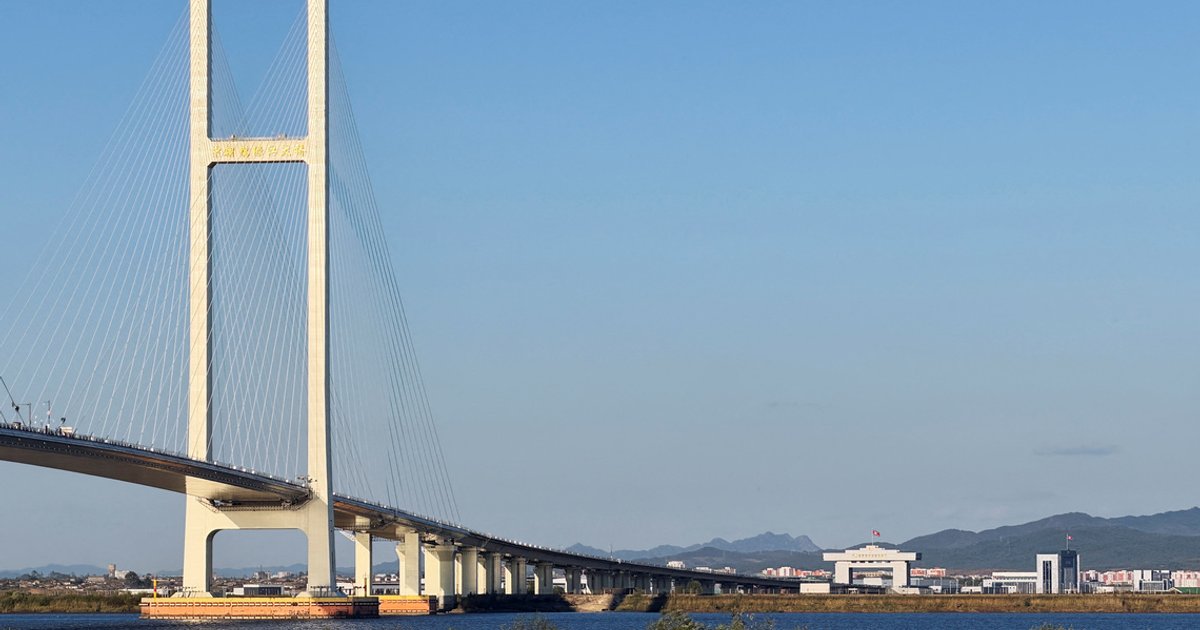
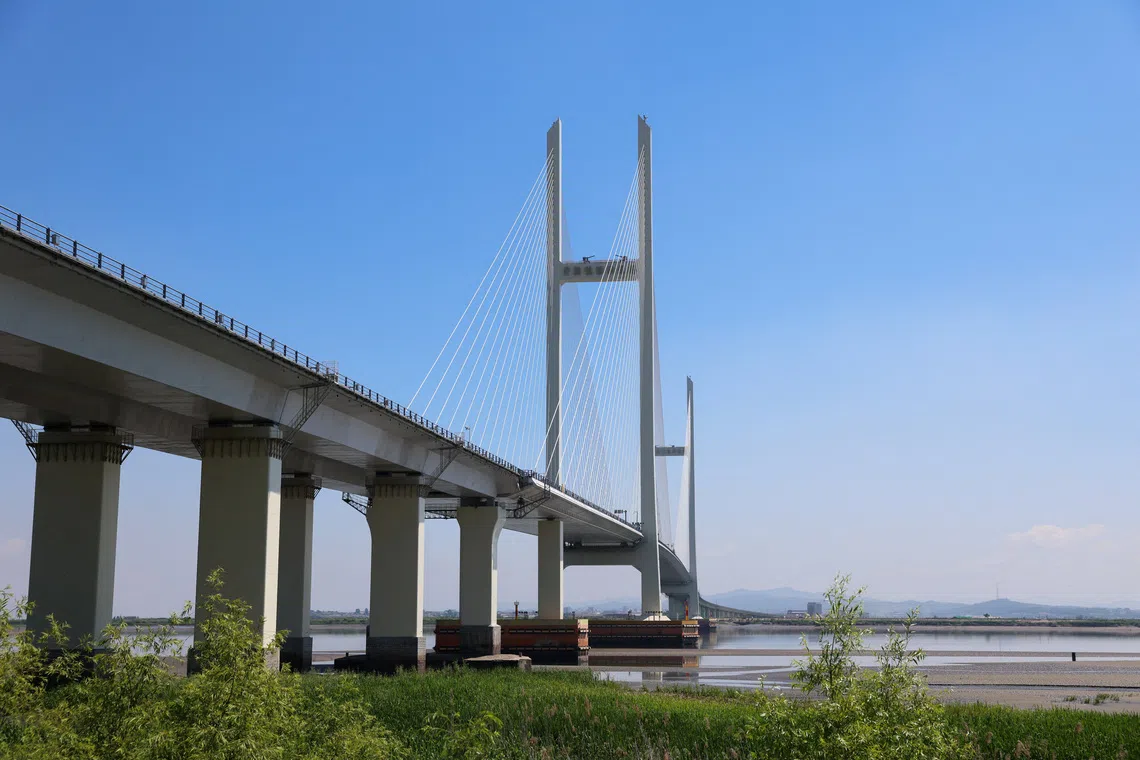
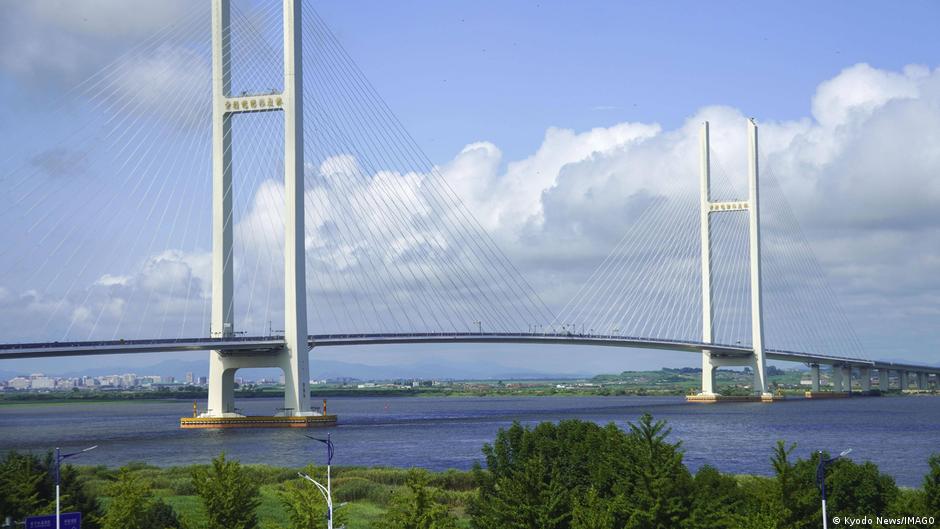
- New Yalu River Bridge opened after a 12-year delay, spanning 3km from China's Dandong to North Korea's Sinuiju, and is set to become the main land trade route between the two countries.
- Chinese Premier Li Qiang, in a video address, called the bridge a "new landmark symbolising the traditional friendship" between China and North Korea and said the two countries were "opening a new chapter" in bilateral ties.
- Bilateral trade between China and North Korea hit $2.7bn last year, recovering to pre-pandemic levels but dominated by Chinese exports to Pyongyang, per the source.
- North Korea halted construction of its roads and customs facilities during the 2010s as relations with Beijing turned frosty, indefinitely postponing what was originally slated to open in 2014.
- Beijing is reopening transport links to reassert its sway over Pyongyang after North Korea supplied at least 2,300 troops to fight for Russia in Ukraine, with Air China resuming direct Beijing-Pyongyang flights in March, passenger train services restarting the same month, and Xi Jinping making Pyongyang his first state visit of the year in June.
- China's stance on denuclearization has shifted dramatically: a decade ago Beijing was "overtly critical" of North Korea's nuclear program, but now says "little, if anything" to that effect, per Oxford lecturer Edward Howell.
- A sharp trade surge across the border is "unlikely" because UN sanctions remain in force and Pyongyang is wary of a "sudden flood of Chinese imports" expanding Beijing's leverage over its domestic market, per Hankuk University professor Kang Jun-young.
Why it matters: Beijing is reopening physical and diplomatic infrastructure to pull Pyongyang back into its orbit after North Korea sent 2,300+ troops to die for Russia in Ukraine. Even with the new bridge, trade recovery is capped by UN sanctions—last year's $2.2.7bn was almost entirely Chinese exports and unlikely to spike, per the source.
Ask SkimNews