Massachusetts Orders 3.5 GW Virtual Power Plant Buildout — SkimNews
Get the Energy newsletter
Daily energy & climate — solar, EVs, oil, the policy fights and tech bets shaping the transition. Free.
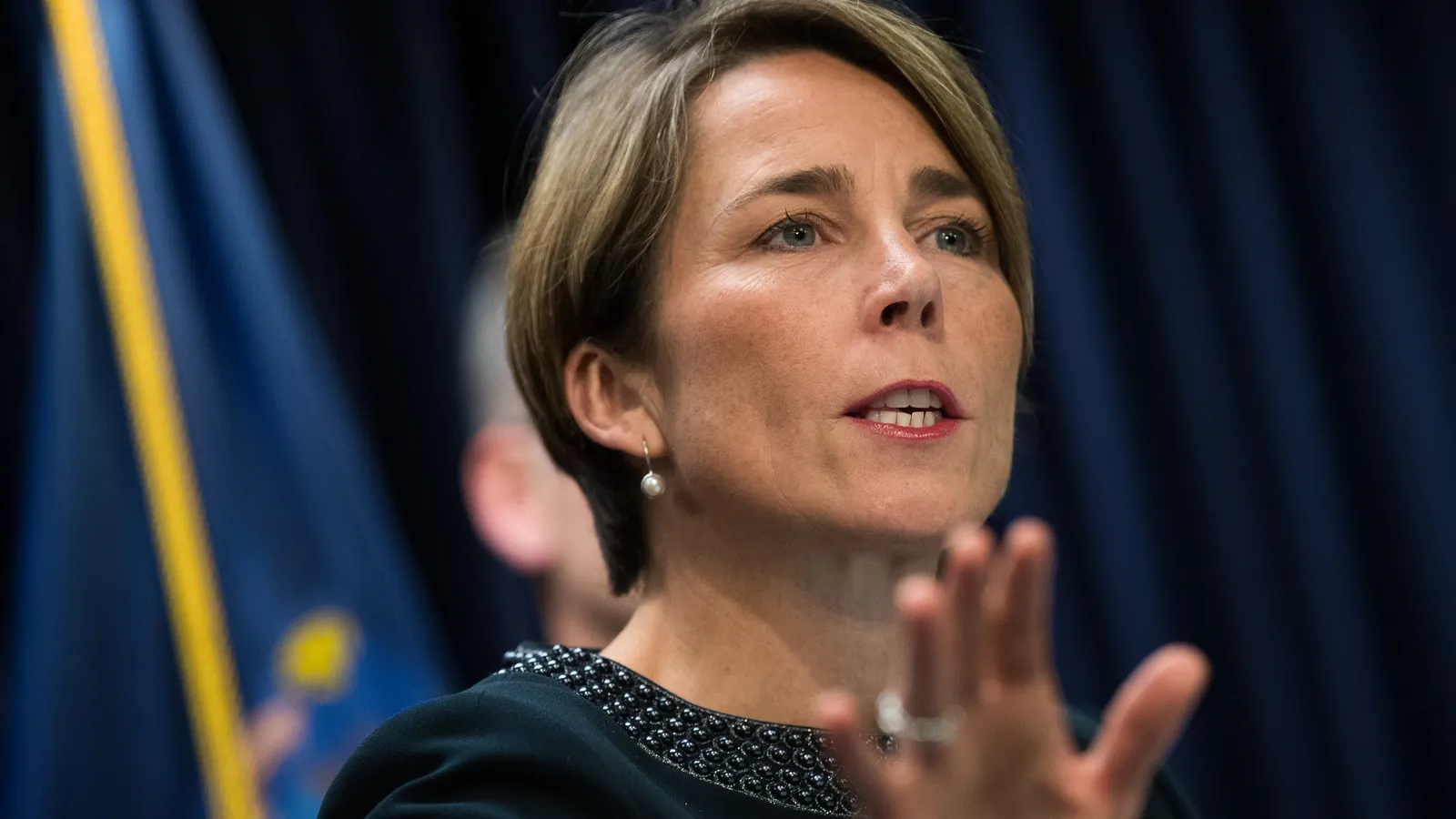
- Massachusetts Gov. Maura Healey issued an executive order on March 13 requiring the commonwealth to develop 3.5 gigawatts of demand-management resources by 2035, which can include virtual power plants — a target the article notes is larger than California's ~0.5 GW peak VPP output last July and a substantial fraction of the 26.1 GW peak demand for the entire six-state New England grid in 2025.
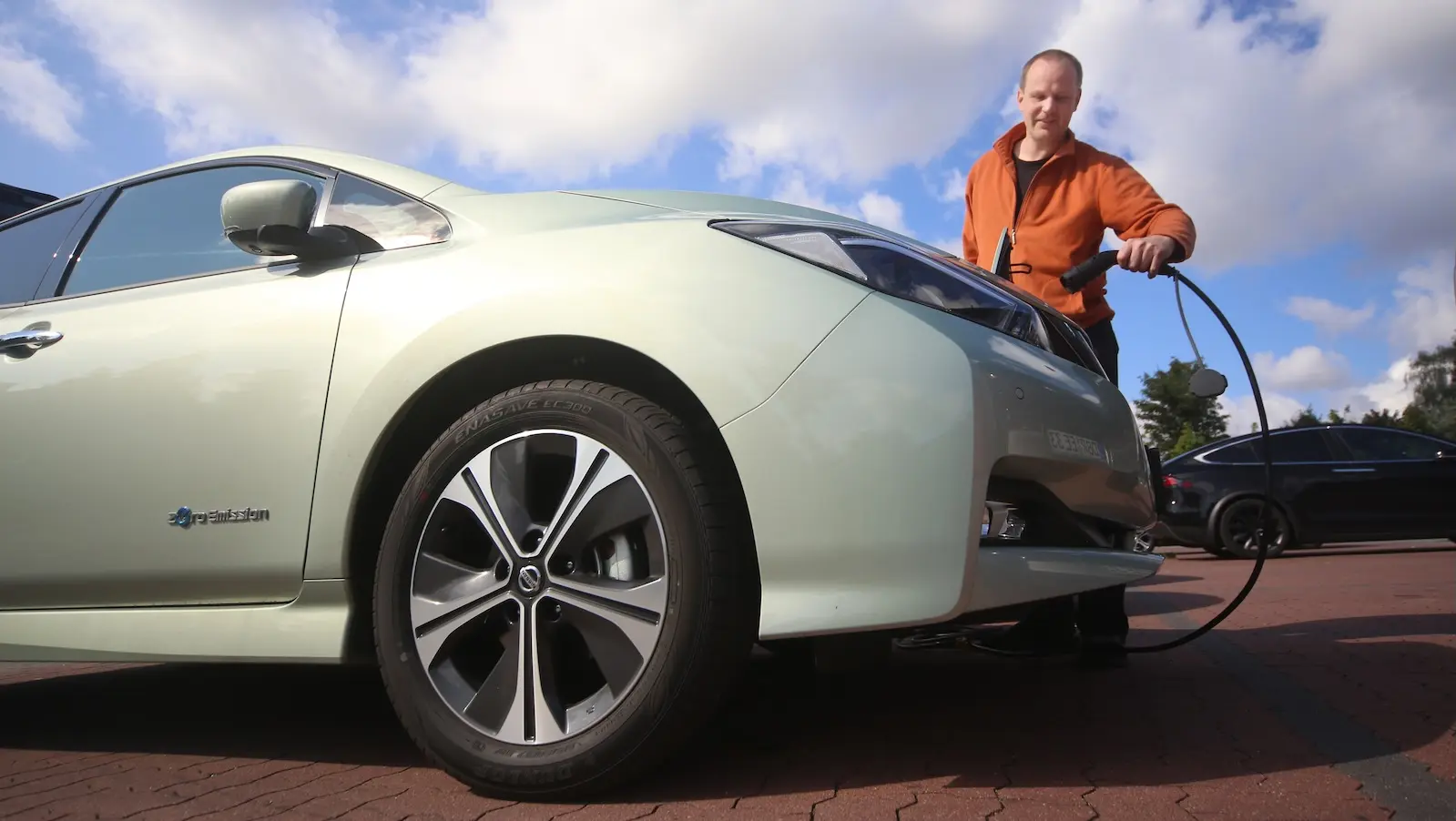
- The Healey order takes an expansive view of qualifying resources, listing virtual power plants, EV charging management, energy efficiency, and demand response programs, and calls for a September state report inventorying existing programs as a 2035 baseline.
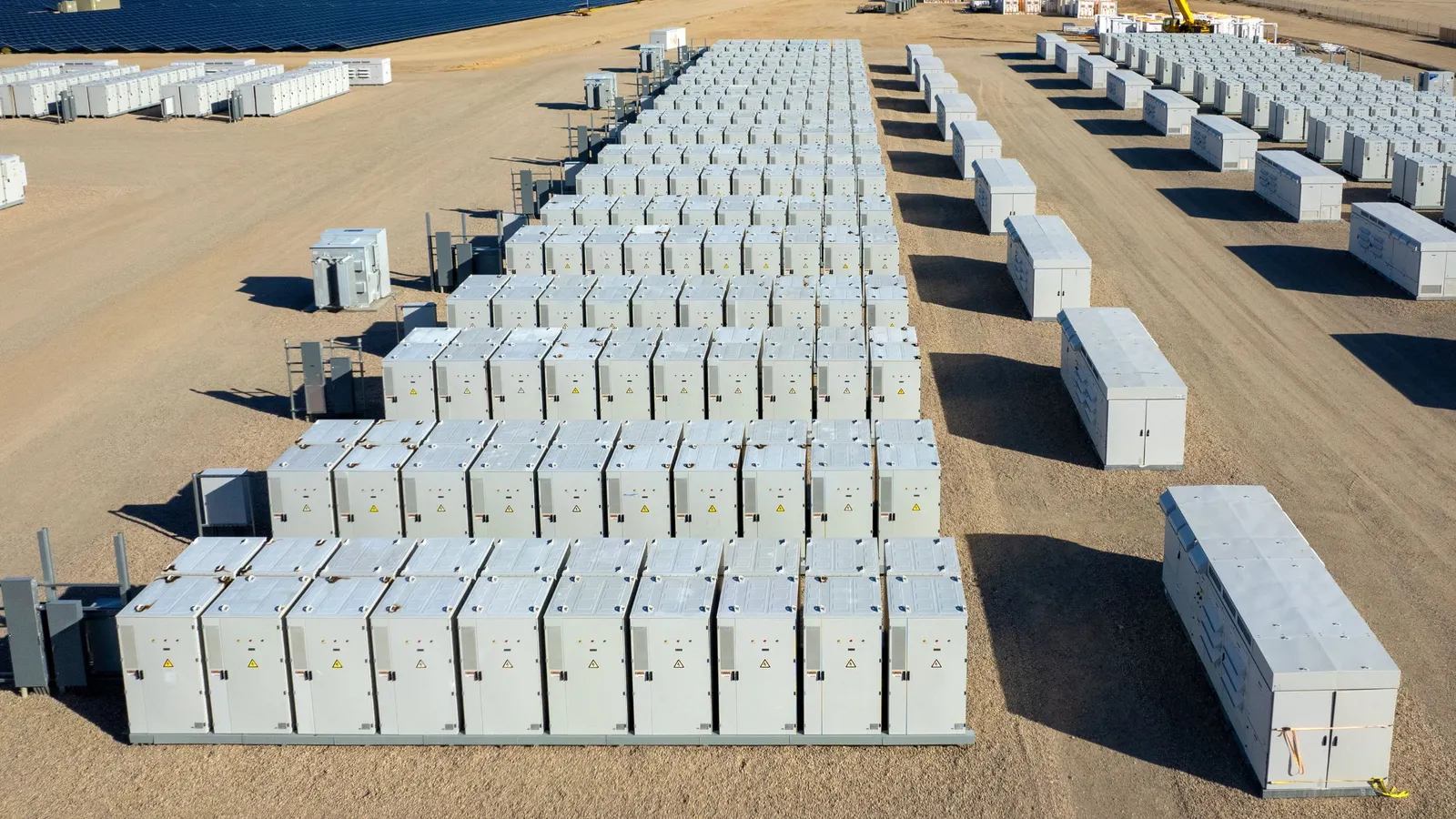
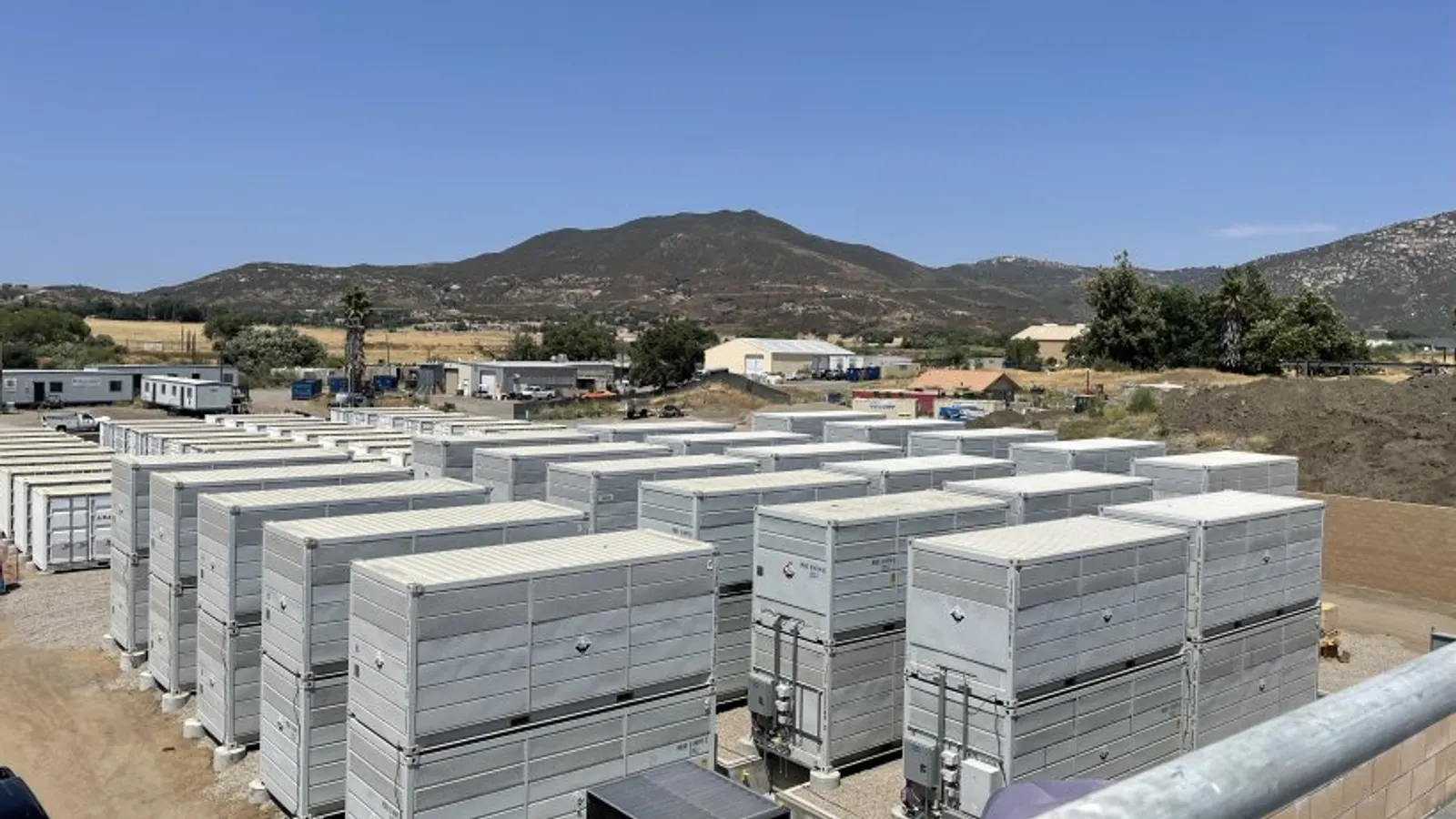
- Minnesota utility regulators approved Xcel Energy's Capacity*Connect plan on May 13, deploying 200 megawatts of neighborhood-based batteries (1–3 MW each), with Xcel retaining ownership and full control rather than using a distributed consumer-owned model.
- John Farrell, co-director of the Institute for Local Self-Reliance, criticized the Minnesota commission's approach, arguing utility ownership creates inadequate cost-control incentives compared with decentralized ownership.
- Xcel Energy said owning the batteries lets the utility place them where the grid needs them most and store energy when prices and demand are low — a spokesperson noted the term "virtual power plant" does not appear in the company's October news release, reflecting how loosely the term is defined industry-wide.
- Nationally, the U.S. had roughly 180 VPP projects with about 19 gigawatts of potential capacity as of a January 2025 Lawrence Berkeley National Laboratory report, with California (62 projects) leading Massachusetts (15) and Colorado (16).
Why it matters: Massachusetts' 3.5 GW-by-2035 mandate could meaningfully displace fossil-fuel peaker plants and defer expensive grid infrastructure if executed — a result Green Energy Consumers Alliance's Larry Chretien said he is "hoping" for. But the Minnesota path shows a real fault line: utilities are pushing centralized ownership of distributed assets, while consumer advocates argue that model dilutes the cost and resilience benefits that make VPPs attractive in the first place.
Ask SkimNews