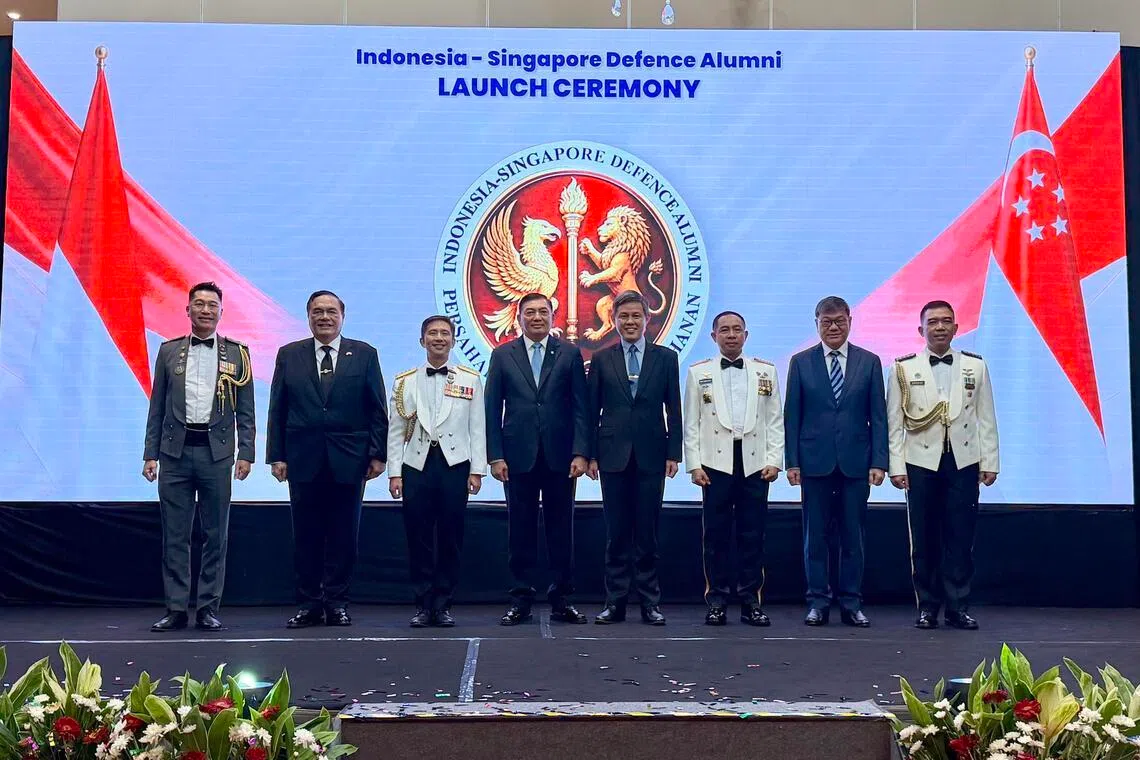
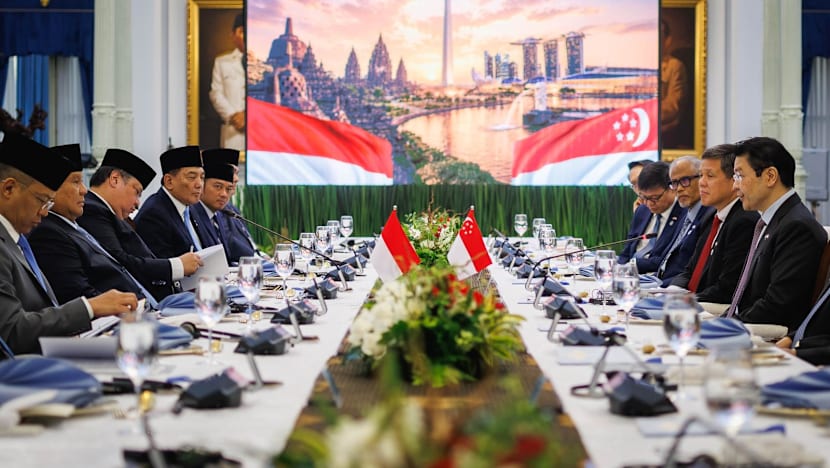
Singapore, Indonesia Deepen Ties Ahead of 60th Anniversary
Get the Geopolitics newsletter
Daily geopolitics — wars, elections, sanctions, the diplomatic moves that move markets. Free.
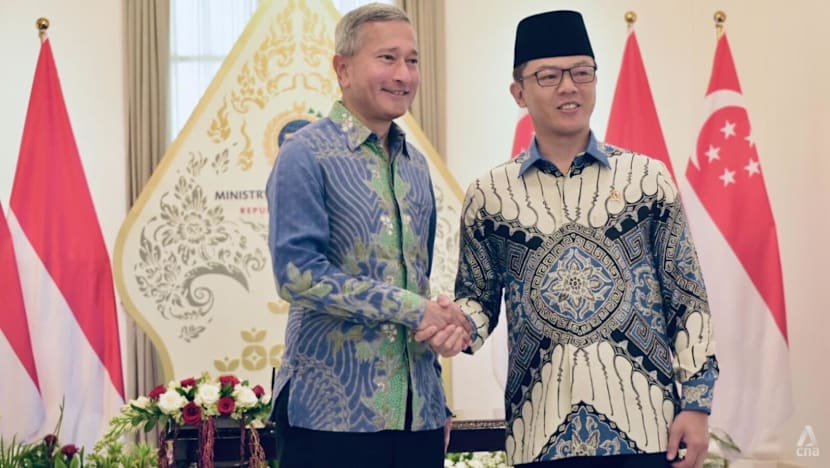
- Vivian Balakrishnan met Indonesian counterpart Sugiono in Jakarta on May 12 to advance bilateral ties ahead of the 60th anniversary of diplomatic relations next year, calling the relationship 'excellent'
- Both ministers agreed to pursue closer trilateral cooperation via the renewed SIJORI (Singapore-Johor-Riau Islands) partnership with Malaysia and to advance the ASEAN Power Grid
- Balakrishnan disclosed he spoke with Iranian Foreign Minister Seyyed Abbas Araghchi on Monday night, inviting him to the region and citing the Malacca-Singapore Straits cooperative mechanism as a model for other waterways
- The two ministers addressed the closure of the Strait of Hormuz and its disruption of energy supplies to Asia, while Balakrishnan touted Indonesia's solar, geothermal, and hydroelectric potential, calling the country a 'superpower in energy'
- Balakrishnan thanked more than 150 Indonesian search and rescue personnel who retrieved the bodies of two Singaporeans killed in the Mount Dukono eruption on May 8, an incident that also killed an Indonesian woman
- Singapore is Indonesia's largest foreign investor, and their Expanded Framework Agreements covering defense, airspace management, and law enforcement entered into force in March 2024
- Seventeen people survived the Mount Dukono eruption, including seven Singaporeans who returned home on Sunday
Why it matters: Singapore is Indonesia's largest foreign investor and the two are among each other's biggest trading partners, so even routine diplomatic meetings translate into real capital flows — particularly into digital and green-economy projects like the Nongsa Digital Park and Kendal Industrial Park. The discussion of the Strait of Hormuz closure, plus the formal invitation to Iran's foreign minister, shows Singapore positioning itself as a diplomatic convener while keeping energy supply lines open for Southeast Asia.
Ask SkimNews