China's Deflation Is Why the Yen Won't Strengthen — SkimNews

Get the Finance newsletter
Daily finance — markets, central banks, M&A, the prints that move money. Free.
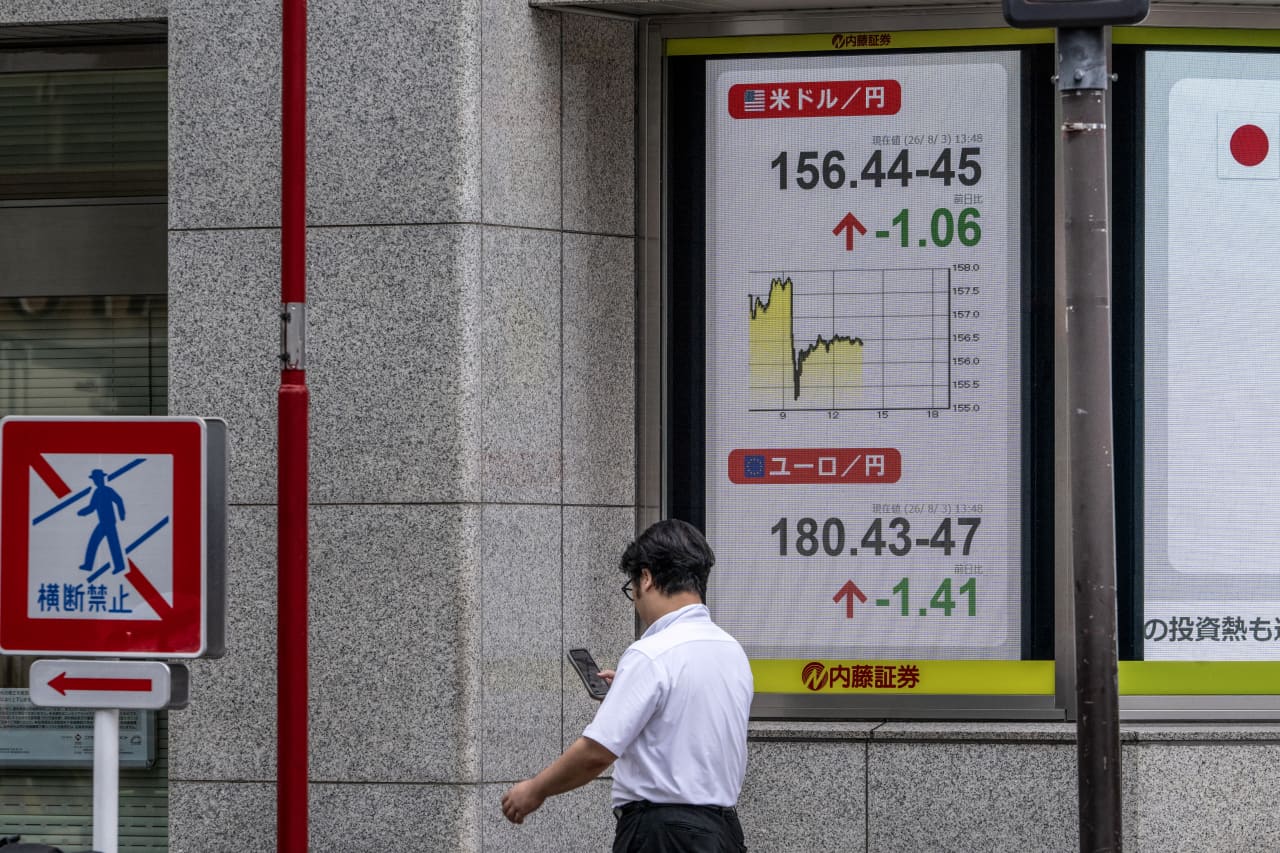
- Yen gave back its early 2025 gains, drifting back toward 160 against the dollar despite the BOJ exiting negative rates and the Fed beginning to ease.
- China's PPI has been negative since late 2022, with a declining GDP deflator for multiple consecutive quarters — described in the piece as a 'systemic deflationary adjustment.'
- Chinese exporters may now hold an effective 25-30% price advantage over Japanese competitors in autos, steel, and batteries, driven by roughly seven percentage points of cumulative annual producer-price divergence since 2022.
- Beijing's managed USD/CNY rate prevents the yuan from appreciating to reflect real competitiveness, forcing the yen to absorb the displaced adjustment pressure.
- China's supply-side industrial strategy has created a self-reinforcing 'China Shock 2.0,' where overcapacity exports deflation and deflation sustains overcapacity through continued export demand.
- The piece argues the yen can no longer be understood through bilateral rate logic — resolution requires structural change in China's economic model, not central bank action.
Why it matters: Yen bulls and Japanese policymakers betting on a BOJ-Fed rate convergence to fix USD/JPY are solving the wrong equation — the source argues the yen's fate is now bound to China's structural deflation, meaning the trade requires a thesis-level change in Beijing's industrial policy, not further rate moves from Tokyo or Washington.
Ask SkimNews