Bipartisan Consensus Limits Iran Policy Shift Post-Midterms — SkimNews
Get the Geopolitics newsletter
Daily geopolitics — wars, elections, sanctions, the diplomatic moves that move markets. Free.
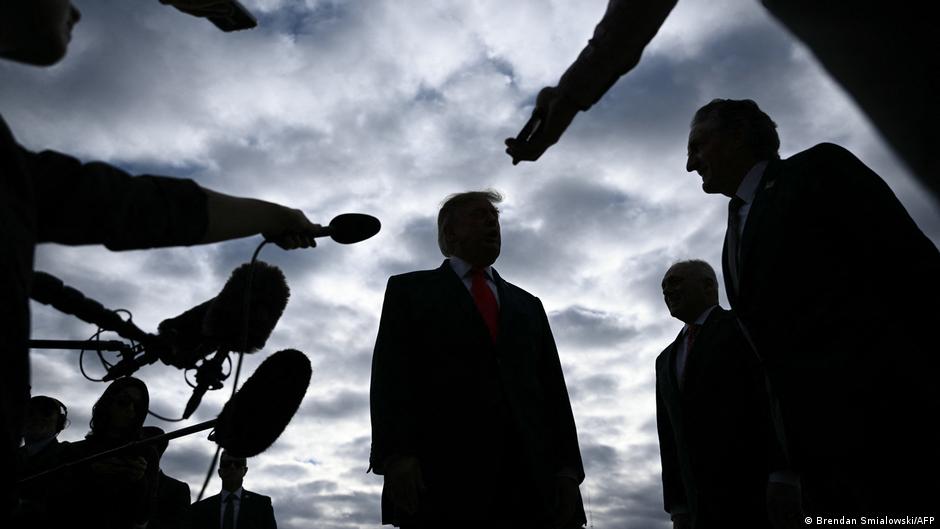
- Donald Trump downplayed the war's scale, claiming only 'one or two targets' remain in Iran and that a deal is still possible, while reports indicate new U.S.-Israel strikes are planned post-election.
- John Bolton stated that even with a Democratic majority in Congress, their influence on the Iran war is limited to legislative tools like funding, which the President can veto.
- Alan Eyre described a 'bipartisan consensus' where both major U.S. parties oppose Iran's political structure and support pressure campaigns to change Tehran's behavior.
- Tehran's strategy of dragging out talks and pressuring the Strait of Hormuz to influence U.S. voters may backfire after the election when Trump has less reason to delay action.
- John Bolton suggested Trump could launch a post-election attack on a new nuclear site near Natanz, damage it, and then 'declare victory, and pull back.'
- Alan Eyre criticized the U.S. failure to communicate a clear message to ordinary Iranians, creating a gap between Washington's rhetoric and actions seen by Iranian society.
Why it matters: The analysis reveals that the electoral outcome is unlikely to change U.S. pressure on Iran, as both parties agree on core strategic goals. This limits Tehran's hope for diplomatic relief and increases the risk of escalated military action once the political constraints of the campaign season end.
Ask SkimNews