New knee arthritis treatment delivers lasting pain relief without surgery — SkimNews
Get the Health newsletter
Daily health & science — research, biotech, public health, the studies worth knowing. Free.
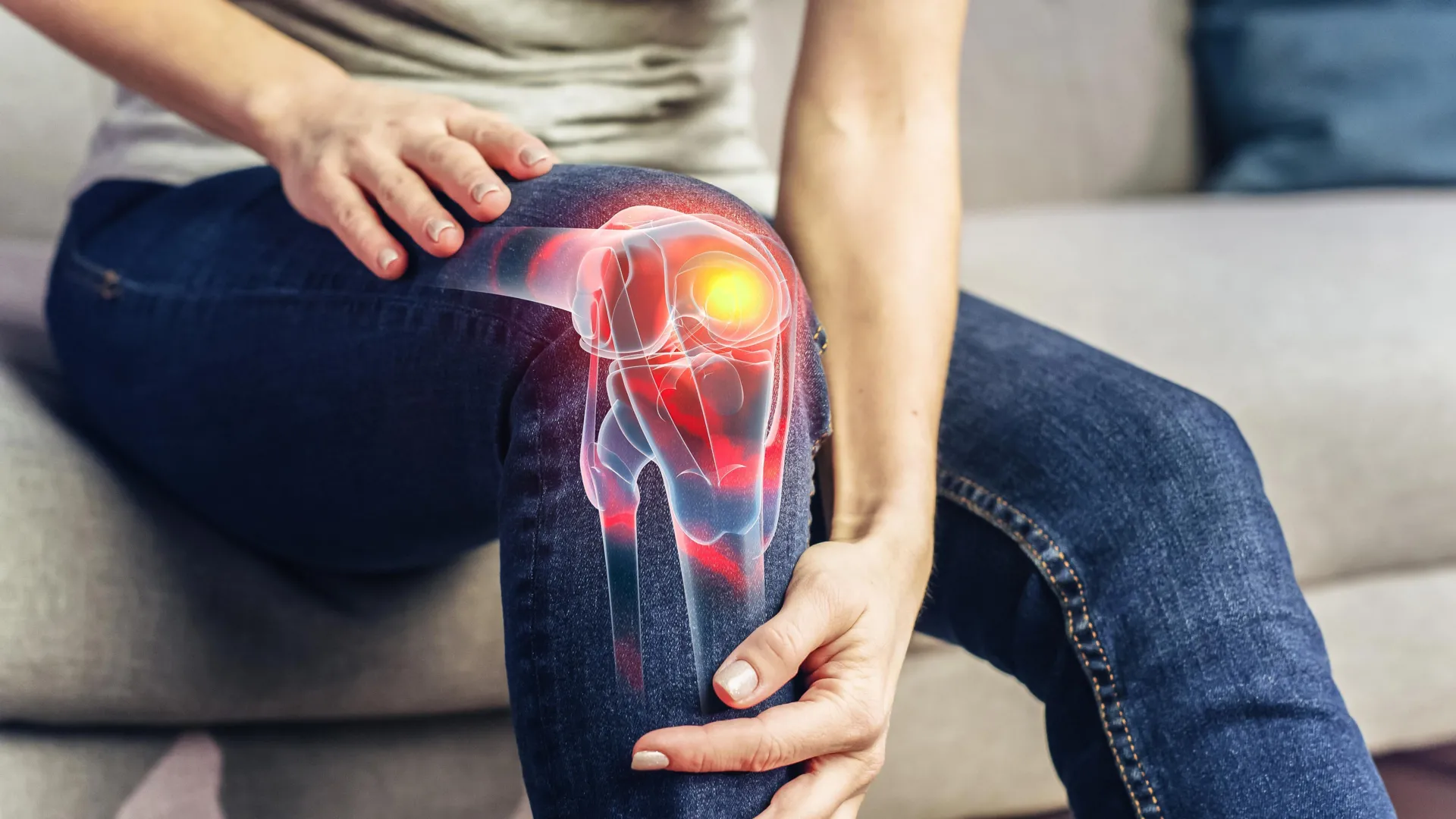
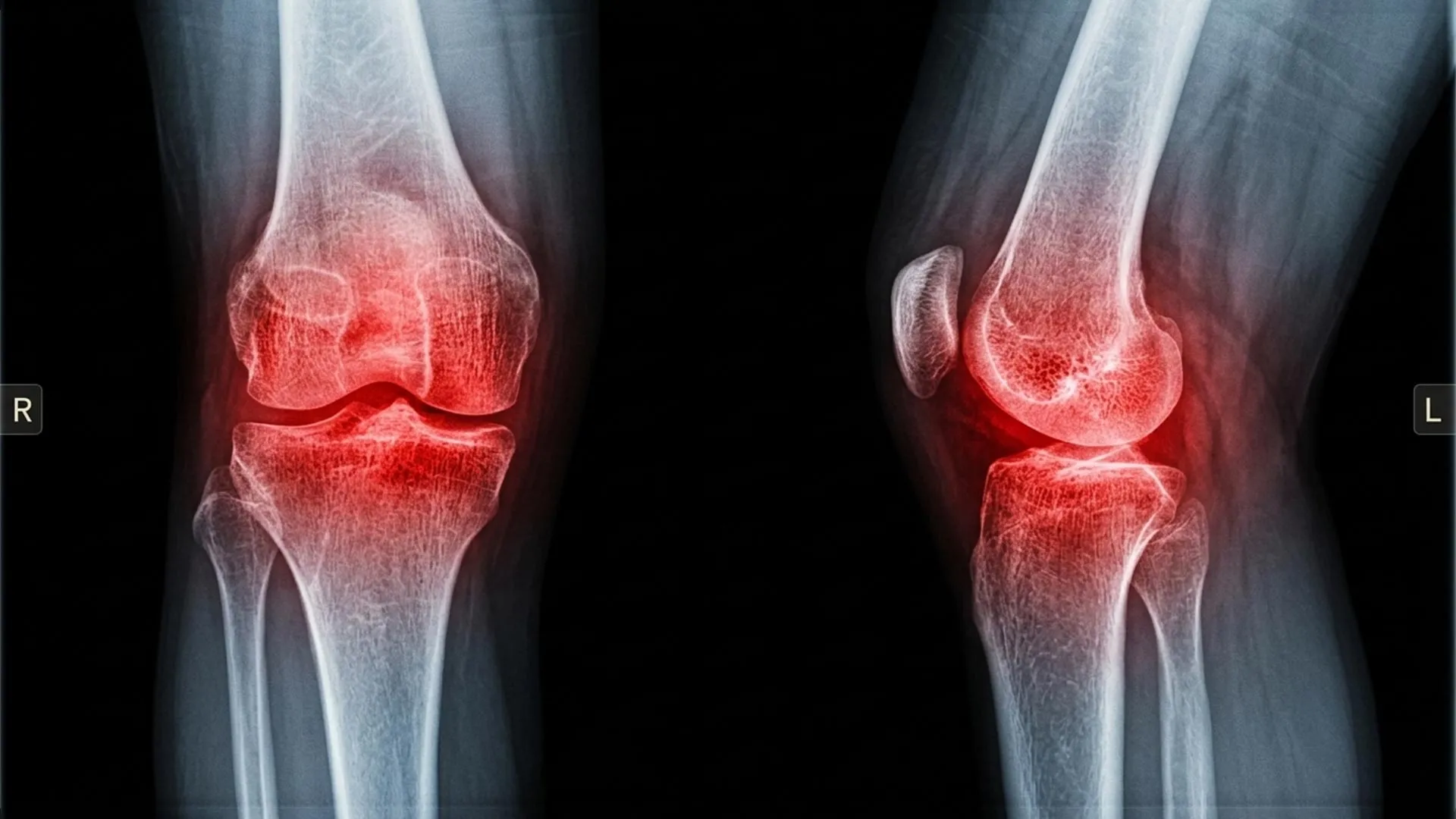
- Genicular artery embolization (GAE) with rapidly resorbable gelatin-based microspheres was tested in a prospective single-center study of 194 patients (median age 69) with osteoarthritis-related knee pain who had failed at least three months of conventional care.
- Median pain scores fell from 7 before treatment to 3 by six months on the Numeric Rating Scale and held there at 12 months, with 80% of patients assessed at one-year follow-up reporting clinically meaningful pain relief.
- All 239 GAE procedures performed between July and November 2024 were technically successful, with no moderate or severe adverse events and only mild, temporary complications in 6.7% of procedures.
- Patients reported meaningful improvements across all five Knee Injury and Osteoarthritis Outcome Score categories, with daily-activity scores rising from 53 to 71.5 and quality-of-life scores climbing from 19 to 40 over 12 months.
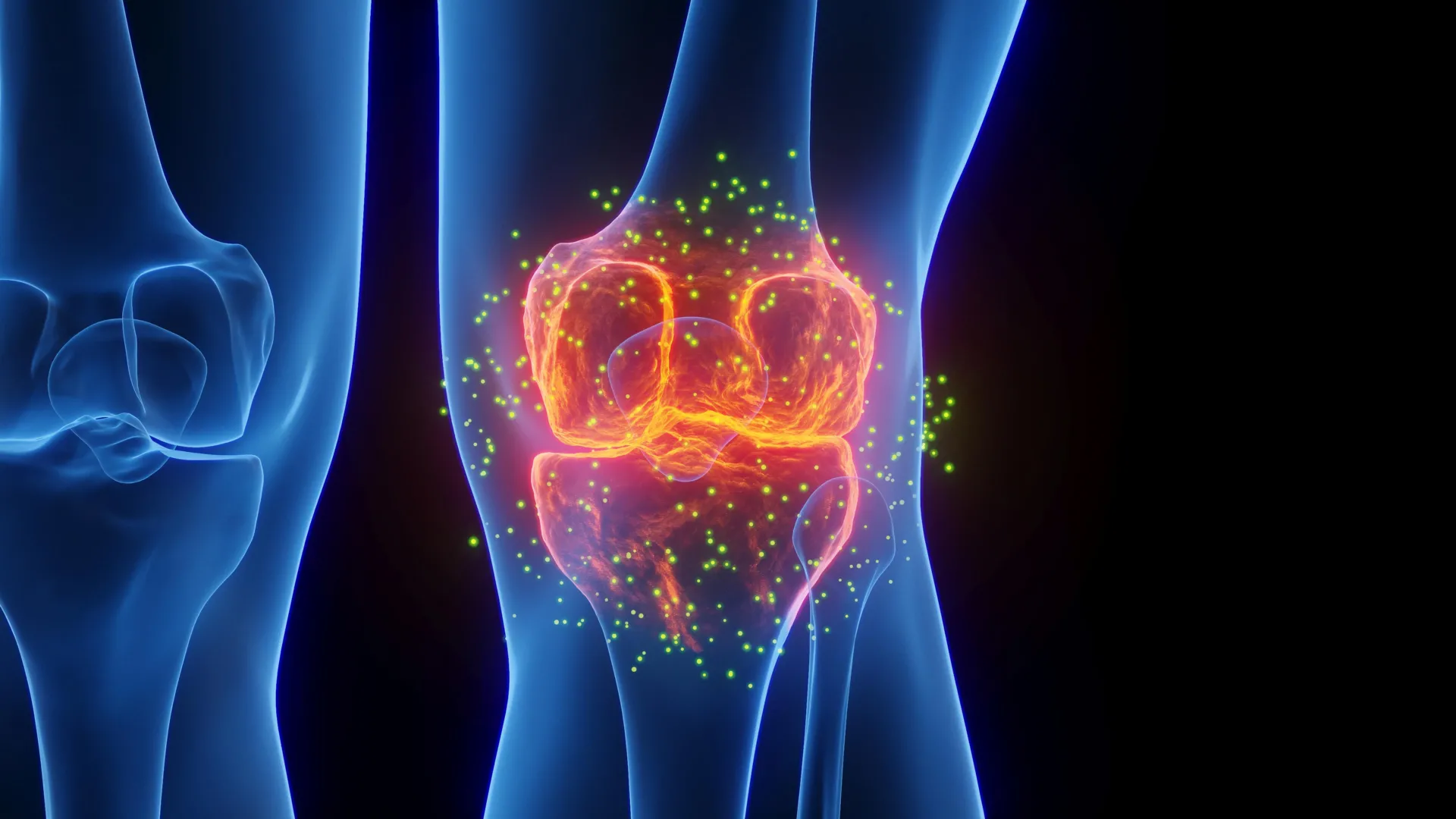
- Dr. Florian Nima Fleckenstein of Charité -- Universitätsmedizin Berlin led the research, published in the journal Radiology, positioning GAE as targeting abnormal hypervascularity around the joint rather than the damaged cartilage itself.
- The study did not demonstrate that GAE prevents cartilage deterioration or reverses existing joint damage, leaving open whether the procedure can actually slow osteoarthritis progression.
Why it matters: More than 365 million adults worldwide have knee osteoarthritis, and many face a treatment gap where conservative options fail but joint replacement is medically or personally unsuitable. GAE's 12-month outcomes — a >50% median pain drop with zero severe adverse events across 239 procedures — could meaningfully expand the viable options for those patients, though cartilage preservation remains unproven.
Ask SkimNews