Tesla Powerwalls Drive Record 745 MW California Grid Dispatch — SkimNews
Get the Energy newsletter
Daily energy & climate — solar, EVs, oil, the policy fights and tech bets shaping the transition. Free.
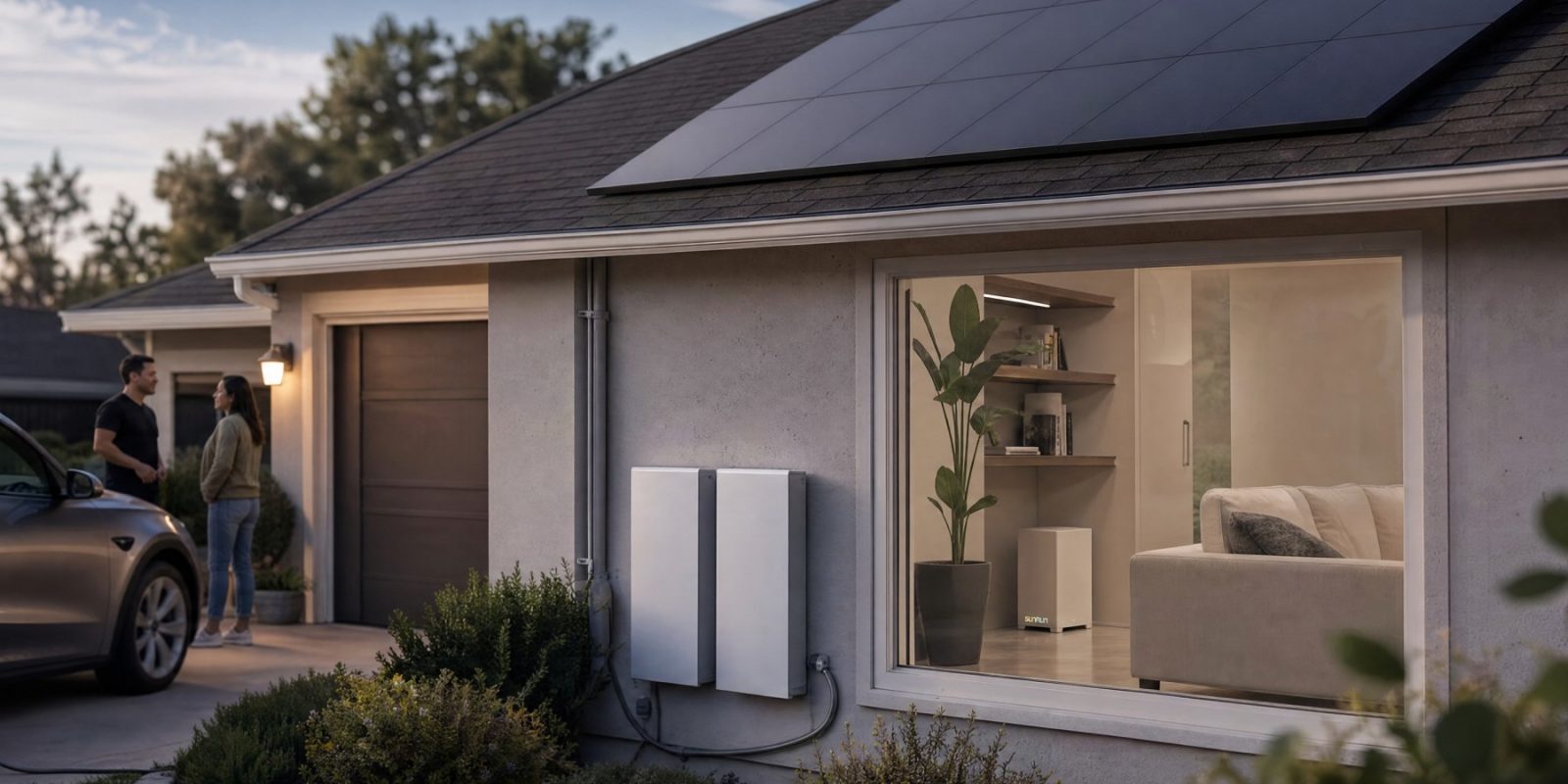
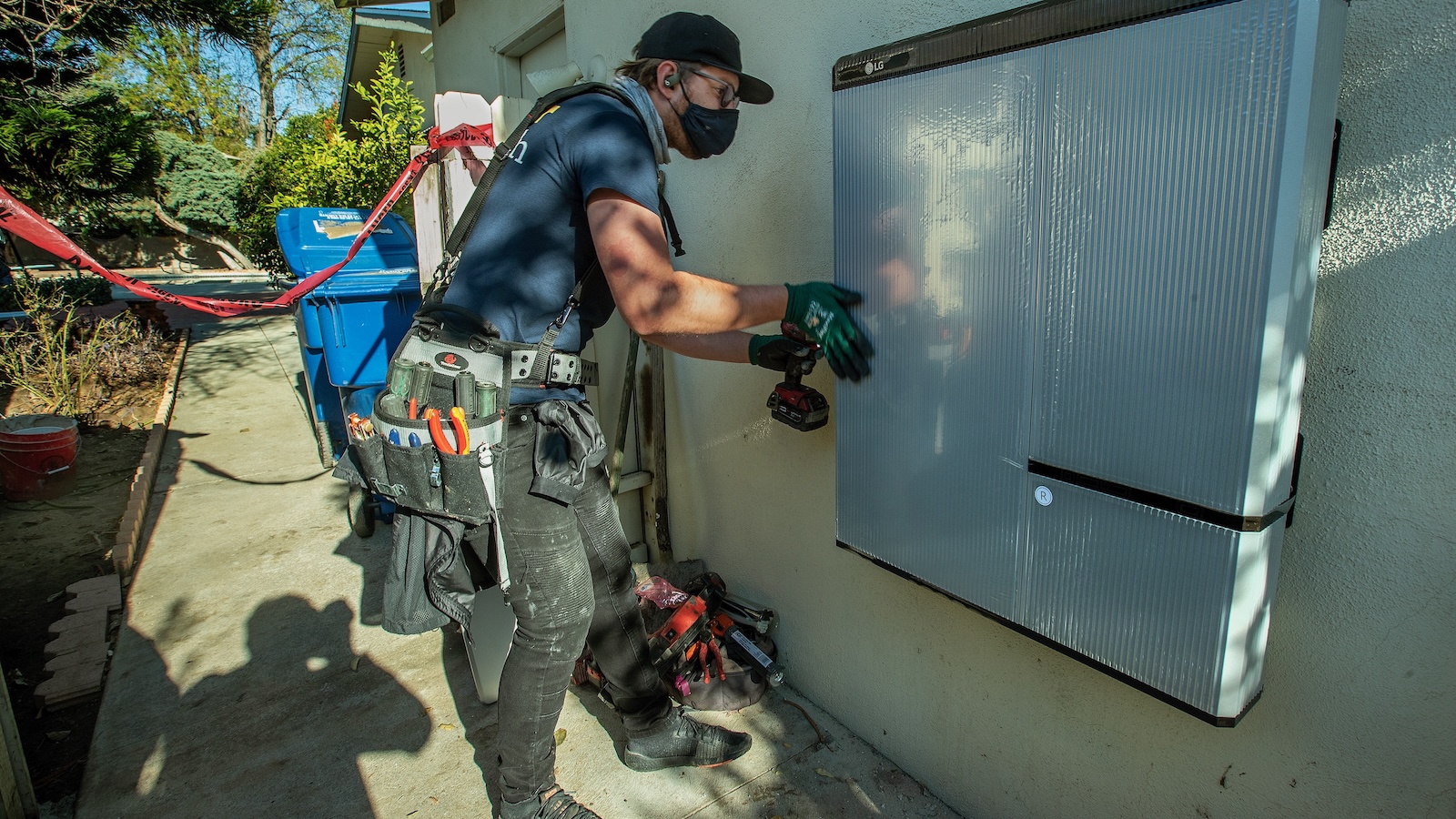
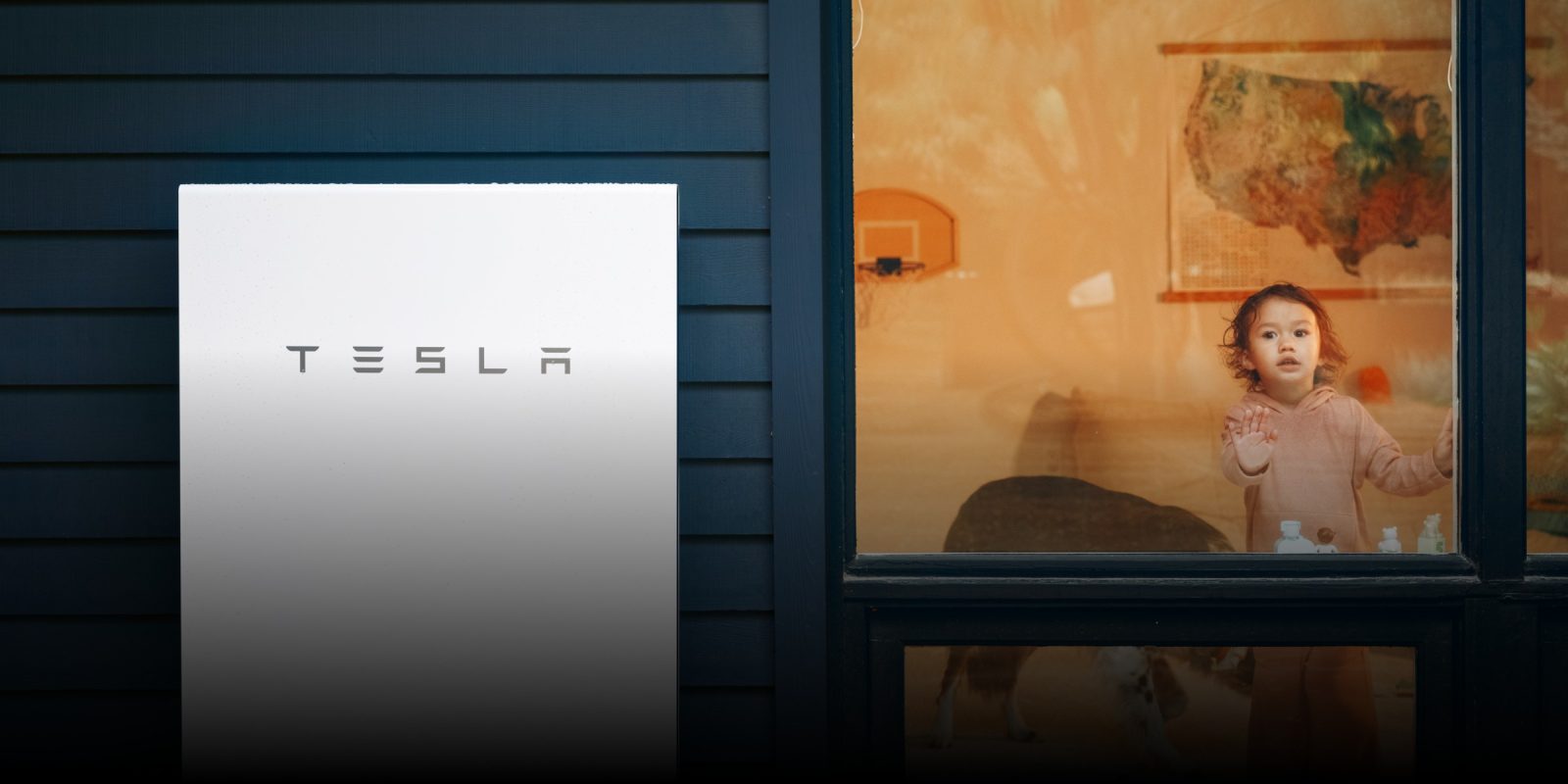
- Tesla Powerwalls delivered roughly 80% of a record 745 MW California grid dispatch on October 6, with 85,000+ owners sending over 600 MW to help meet evening peak demand.
- Sunrun announced the 745 MW combined total — enough, the company said, to cover every household in San Francisco and San Jose during peak hours — and now has more than 120,000 home batteries enrolled in California grid programs.
- The new dispatch beat the September 9, 2026 record of 580 MW by 28% in just four weeks, while the prior residential record of 539 MW had stood from July 29, 2025 to September 9, 2026 with only 8% growth.
- Per-home output of roughly 7 kW points to a fleet shifting from Powerwall 2 (5 kW continuous) to Powerwall 3 (11.5 kW rated) units, with some homes running multiple batteries.
- October 5 marked the first event this year where California's DSGS and ELRP programs both called dispatches simultaneously across every participating investor-owned utility territory, triggered by an October heat wave at the California Energy Commission's request.
- A Google-funded PG&E virtual power plant in San Jose plans to enroll nearly 21,000 devices with Tesla and Everyday Electric — the first concrete piece of the 16.8 GW VPP plan for data centers that Tesla, Sunrun, and Renew Home announced in June.
Why it matters: Tesla's edge is coordination: software that gets 85,000+ homes to respond to one grid signal at once, while Sunrun owns or operates 55% of those Powerwalls. The 28% jump in four weeks shows the California programs — DSGS and ELRP — pay homeowners real money for discharging at peak, a model most states lack. Sunrun's CEO confirmed customers are being compensated, turning home storage into grid asset that competes with gas peakers.
Ask SkimNews