Pakistan's Solar Boom Cushions $12bn in Energy Imports — SkimNews

Get the Energy newsletter
Daily energy & climate — solar, EVs, oil, the policy fights and tech bets shaping the transition. Free.
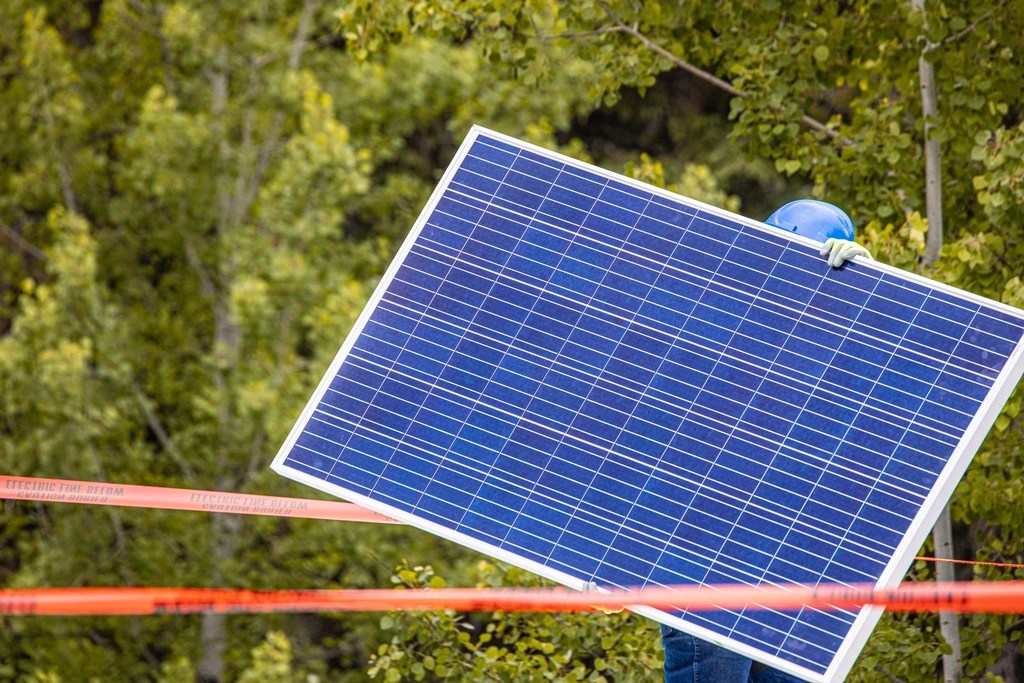
- Pakistan's share of electricity generated by solar jumped fivefold between December 2021 and December 2025 and now accounts for roughly one-fifth of grid-supplied power, according to Ember data cited in the report.
- Renewables First and the Centre for Research on Energy and Clean Air estimate that as of February 2026, the solar expansion had helped Pakistan avoid about $12bn in oil and gas imports.
- LNG still supplies about a fifth of Pakistan's power mix but is now mostly dispatched for evening peaks, with solar covering most daytime generation — and Pakistan was already diverting Qatari cargoes before the war due to falling gas demand.
- Pakistan spent more than 10% of GDP on fossil fuel imports in 2024, and pump prices have risen roughly 20% since the conflict, with the government closing schools for two weeks and ordering half of public employees to work from home to curb fuel use.
- Power Minister Awais Leghari credited a "people-led solar revolution" alongside nuclear, hydropower, and domestic coal investments with reducing Pakistan's vulnerability to global LNG disruptions, though he warned of potential summer shortages.
- India, Bangladesh, and Pakistan have $107bn in LNG terminals and gas pipelines announced or under construction, per Global Energy Monitor, even as IEEFA's Ramnath Iyer argued that solar and storage are already cost-competitive with gas across most of Asia.
- Other Asian economies are scrambling too: Bangladesh, Myanmar, and the Philippines have introduced fuel rationing, India's cooking gas supplies are tightening, the Philippines has seen pump prices jump 40%, and Thailand's solar-plus-storage targets could save $1.8bn by 2037, according to Ember.
Why it matters: Pakistan shows what rapid distributed solar adoption can buy a fossil-fuel-dependent economy in a crisis: an estimated $12bn in avoided imports, a daytime grid that no longer leans on imported gas, and enough breathing room that the worst disruption in oil-market history is showing up mainly at the pump rather than in blackouts. The flip side is that 80% of Strait of Hormuz oil is bound for Asia, and $107bn in planned LNG infrastructure across South Asia signals the region is still building long-term exposure to the very chokepoint the war has now weaponized.
Ask SkimNews