Waymo Crashes 68% Less Than Humans, IIHS Finds
Get the Tech newsletter
Daily tech — startups, AI labs, chips, the launches that shape the next decade. Free.
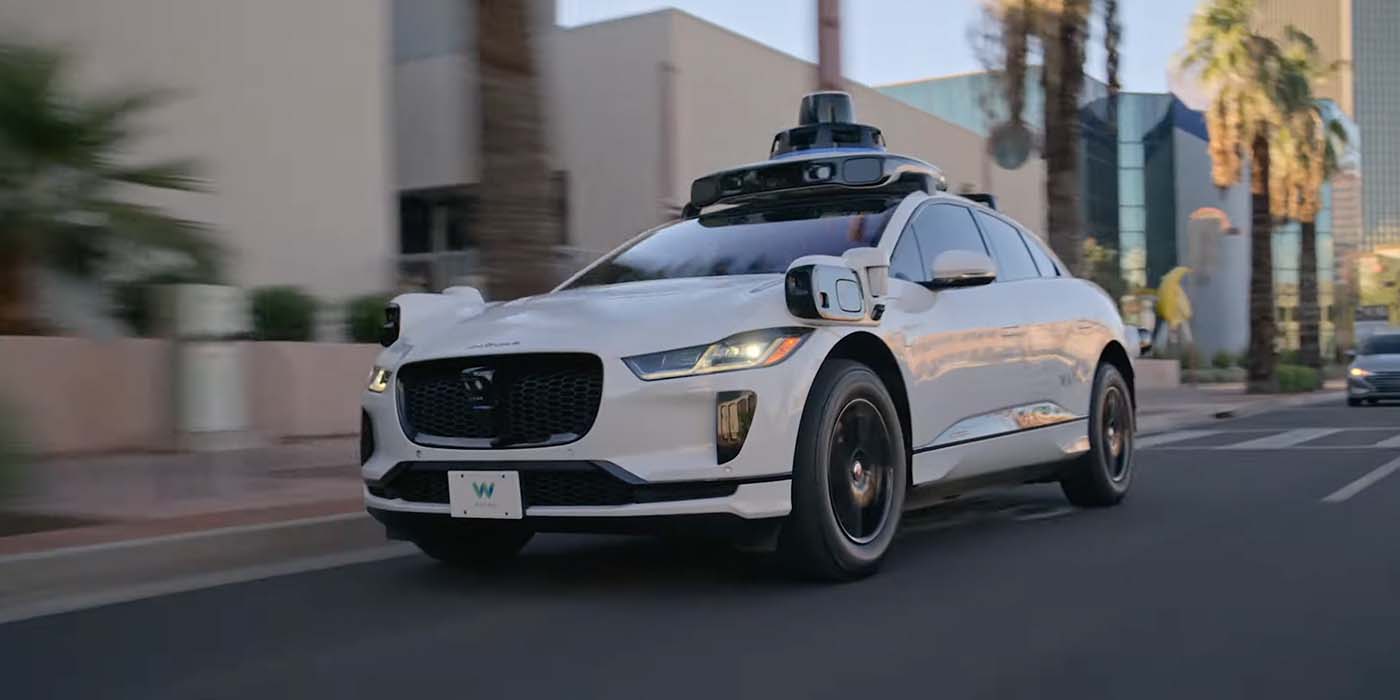
- The IIHS found Waymo crashed 1.28 times per million vehicle miles versus 4.06 for humans — a 68% reduction — based on roughly 50 million Waymo autonomous miles from 2021-2024.
- Waymo crashes were less severe on average and less likely to be the robot's fault, though the company posted a higher share of crashes in dark conditions despite using radar and LiDAR.
- Results held in Phoenix, San Francisco, and Los Angeles, but Waymo showed a slightly higher crash rate than humans in Austin, likely due to a small sample size from pre-launch testing.
- The IIHS study excluded highway miles for both groups; Waymo operates only on city streets, and half of its crashes happened on roads with speed limits under 25 mph versus 8% of human crashes.
- Waymo's nearly half of miles were driven empty, removing the possibility of passenger injury — a benefit that also means more cars transporting nobody, potentially adding congestion-driven collisions.
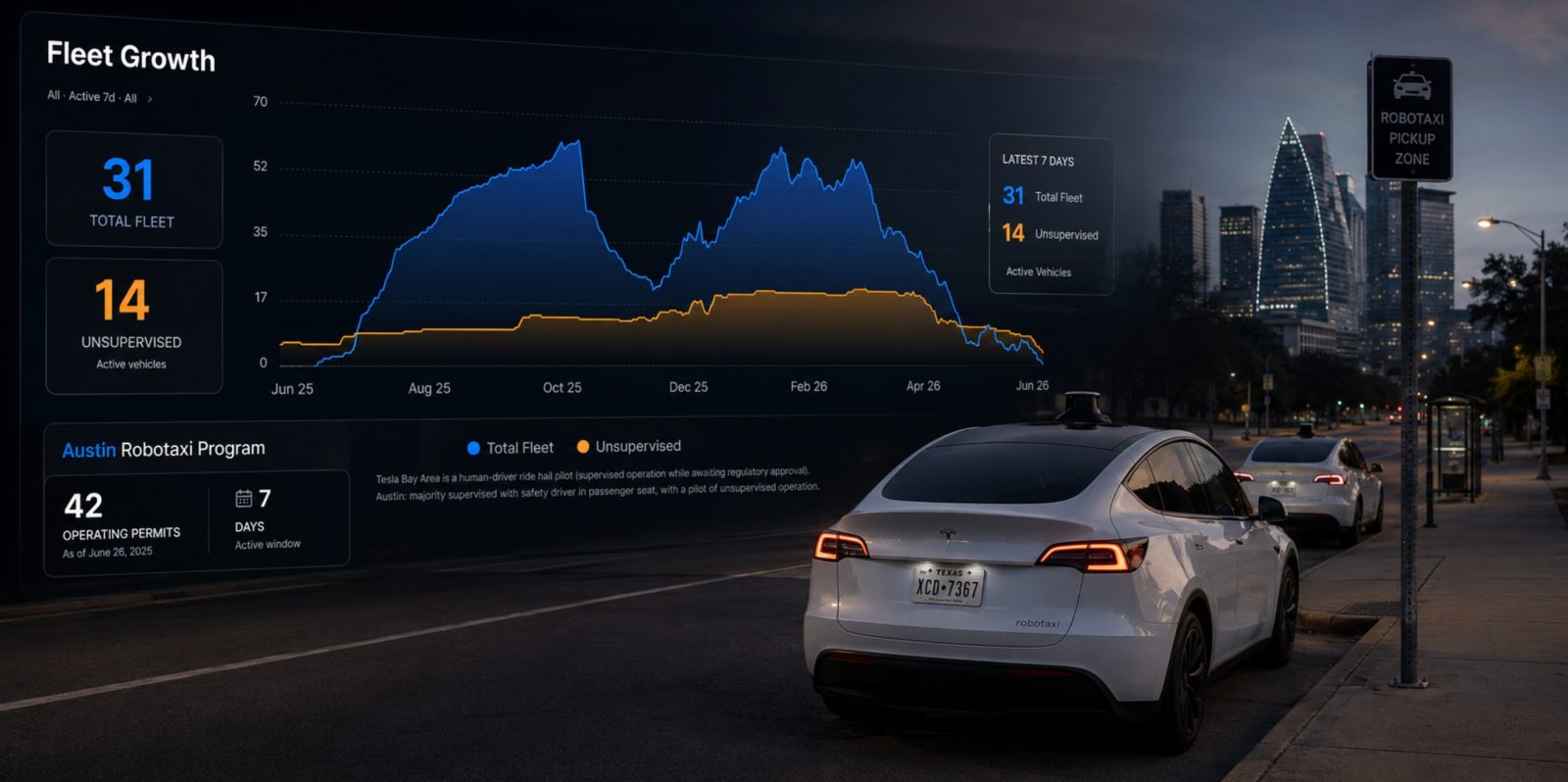
- Tesla had only about 380,000 unsupervised autonomous miles all-time as of the article date and zero in the 2021-2024 study window, so it was not part of the comparison.
- The IIHS questioned the 'average human driver' benchmark, arguing robotaxis should be measured against optimal human driving rather than against impaired, fatigued, or distracted drivers.
Why it matters: Independent confirmation of Waymo's internal 2023 finding (85% fewer injury crashes) gives regulators and riders in Waymo's 11 cities harder data to weigh against expansion. But the methodology — no highways, low-speed streets, empty-car passenger safety, and 50 million Waymo miles against 222 billion human miles — keeps the core question unresolved until companies are required to report autonomous miles driven.