Saylor Challenges BIP-110 With 110 Criticisms — SkimNews
Get the Finance newsletter
Daily finance — markets, central banks, M&A, the prints that move money. Free.
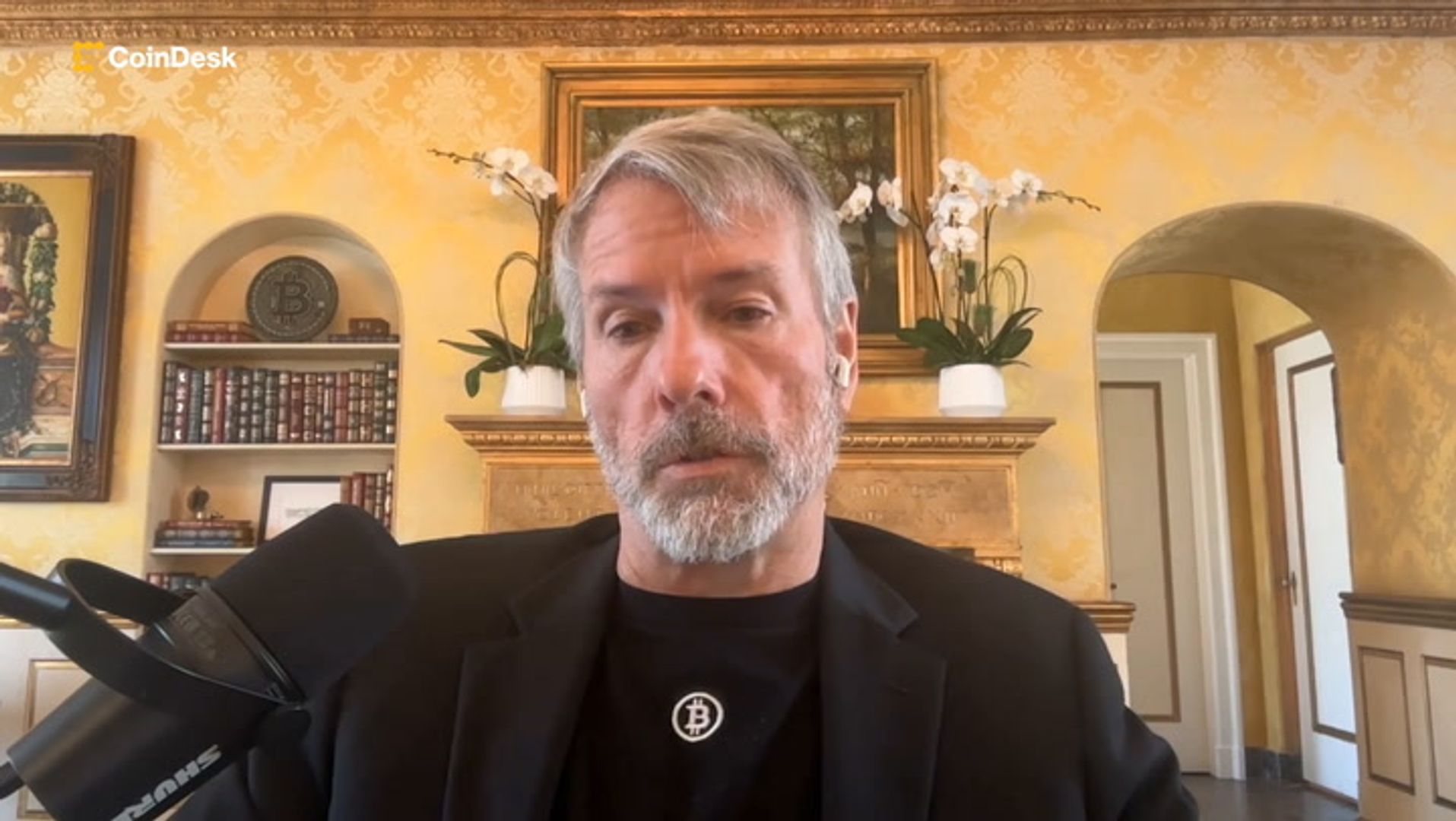
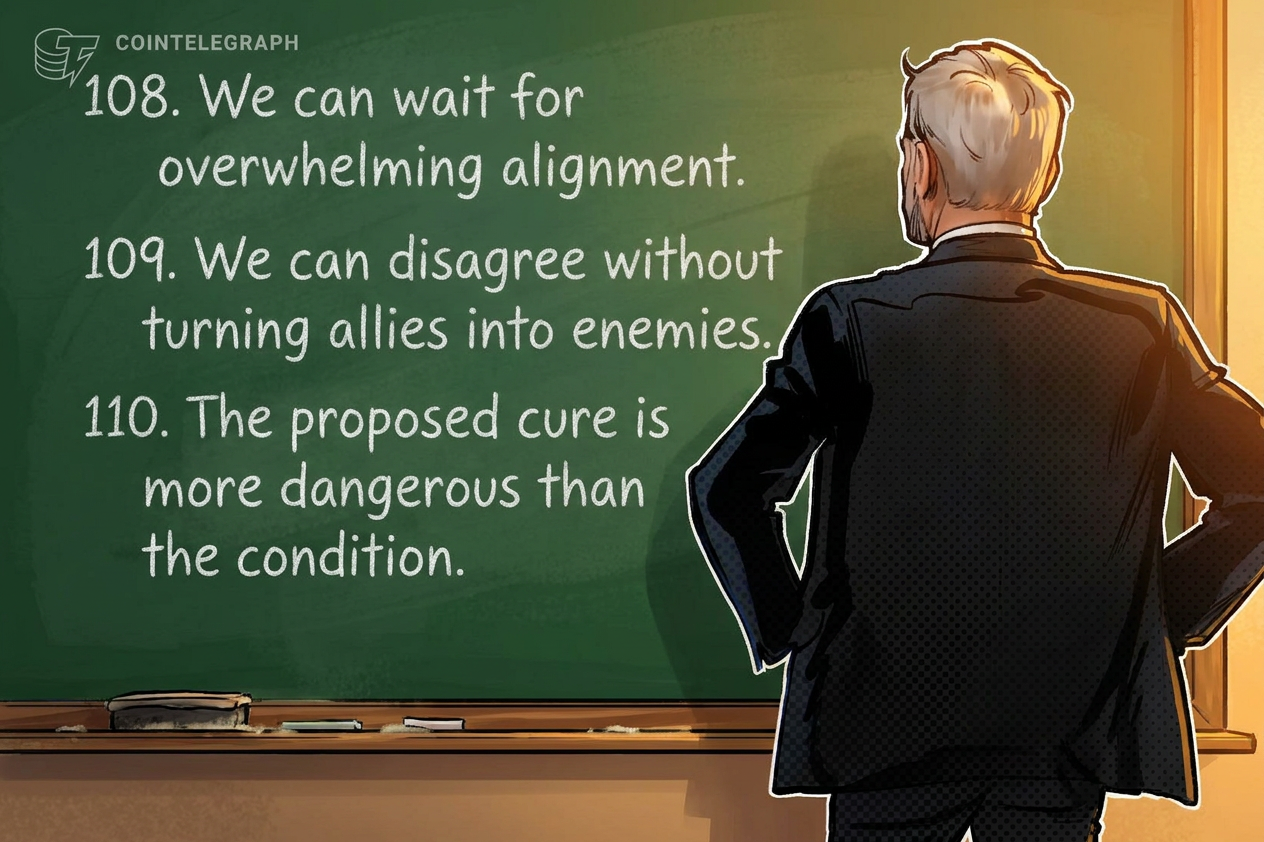
- Michael Saylor outlined 110 criticisms of BIP-110, emphasizing alignment with its objectives—like protecting node operators and affordable payments—but rejecting its method as misaligned with Bitcoin’s permissionless ethos.
- BIP-110, introduced by pseudonymous developer Dathon Ohm and backed by Luke Dashjr, seeks to limit blockspace bloat from Ordinals by imposing a temporary one-year cap on certain data, aiming to preserve network efficiency.
- Adam Back opposes BIP-110, calling it a 'quest to police other people' and arguing it contradicts Bitcoin’s cypherpunk foundation of censorship resistance and decentralized autonomy.
- Only 1% of blocks in the most recent activation period (blocks 955,584–957,599) signaled support for BIP-110, far below the 55% threshold needed for activation, indicating minimal current consensus among validators.
- Daily Ordinals inscriptions have dropped to under 10,000 over the past month, a sharp decline from over 400,000 at their August 2023 peak, reducing immediate pressure from blockchain bloat concerns.
Why it matters: The low signaling rate for BIP-110—just 1%—shows the proposal lacks network-wide support despite high-profile backing, while Saylor’s detailed critique signals growing elite disagreement over how to handle Bitcoin’s scalability and data-use tensions. This debate directly affects node operators and developers shaping Bitcoin’s long-term governance.
Ask SkimNews