UK farmers warn some won't survive worst harvest on record — SkimNews

Get the Energy newsletter
Daily energy & climate — solar, EVs, oil, the policy fights and tech bets shaping the transition. Free.
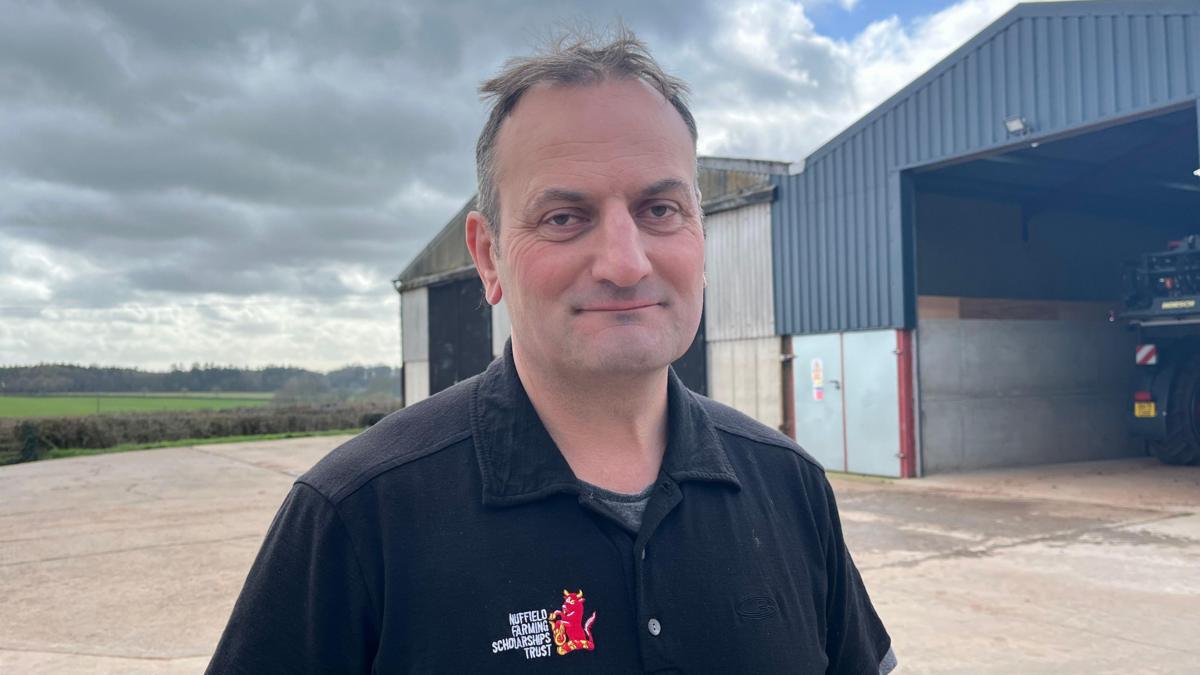
- Jamie Burrows, chair of the NFU crops board, said red diesel costs for agricultural vehicles had almost doubled since the Iran conflict began in late February, while fertiliser and animal feed costs rose about 20% over the same period, warning that "some of these businesses aren't going to make it."
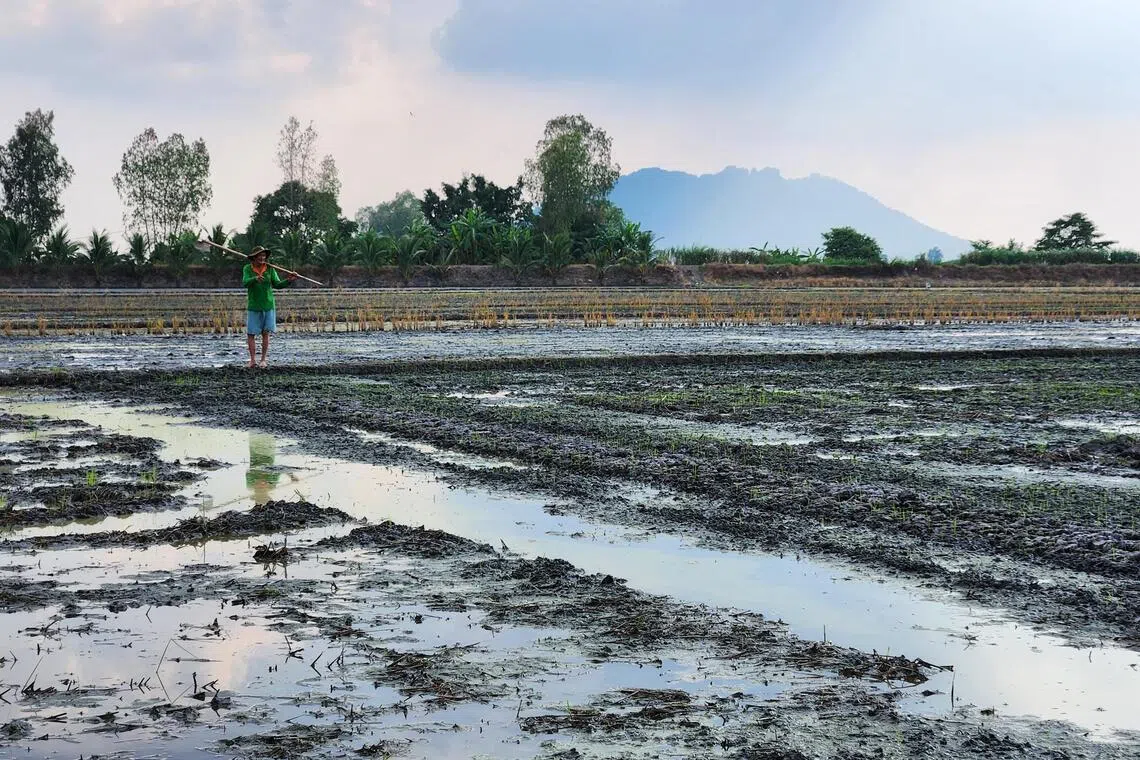
- England recorded its worst cereals harvest on official estimates this year after a succession of heatwaves and drought during the UK's hottest summer, hitting growers already coping with hardened, dried-out fields.
- Parliament's public accounts committee begins hearings Monday into UK food supply resilience, examining NAO findings that Defra's last catastrophe planning exercise largely excluded food supply chain businesses.
- The UK produces roughly 60% of the food it needs and is more dependent on imports than several European peers, with most imported food passing through just four ports — Dover, Felixstowe, Southampton and London Gateway — according to industry body the Cold Chain Federation.
- The Cabinet Office is launching a campaign urging households to stockpile tinned food, bottled water and other nonperishables as part of emergency preparedness, a step welcomed by some in the food industry.
- More than 150 food experts and academics, including Oxford's Prof Paul Behrens and City St George's Prof Tim Lang, accused ministers of being "complacent" and said Britain has no plan to feed people in an emergency, pointing to the UK's concentrated distribution network of just 131 hubs serving 12,300 stores.
- Rob Haward, chief executive of organic box-delivery firm Riverford, called for a "very complicated rethink," advocating longer-term contracts for growers, seasonal eating and lower business rates for greengrocers to rebuild resilience.
- Ana, a 42-year-old YouTube creator in south Wales and self-described "prepper," is among a small but growing number of UK households building emergency stockpiles, arguing preparedness should be normalised rather than stigmatised.
Why it matters: The UK's 60% domestic food production is now colliding with a climate-driven worst-ever cereals harvest and a war-driven doubling of farm diesel costs, forcing ministers to face both Parliament and 150+ academics who say there is no plan to feed the country in a crisis — concrete enough that the Cabinet Office is now telling households to stockpile tinned food as a first line of defence.
Ask SkimNews