How Ireland’s war-driven fuel blockades revealed the true cost of Europe’s oil addiction — SkimNews

Get the Energy newsletter
Daily energy & climate — solar, EVs, oil, the policy fights and tech bets shaping the transition. Free.
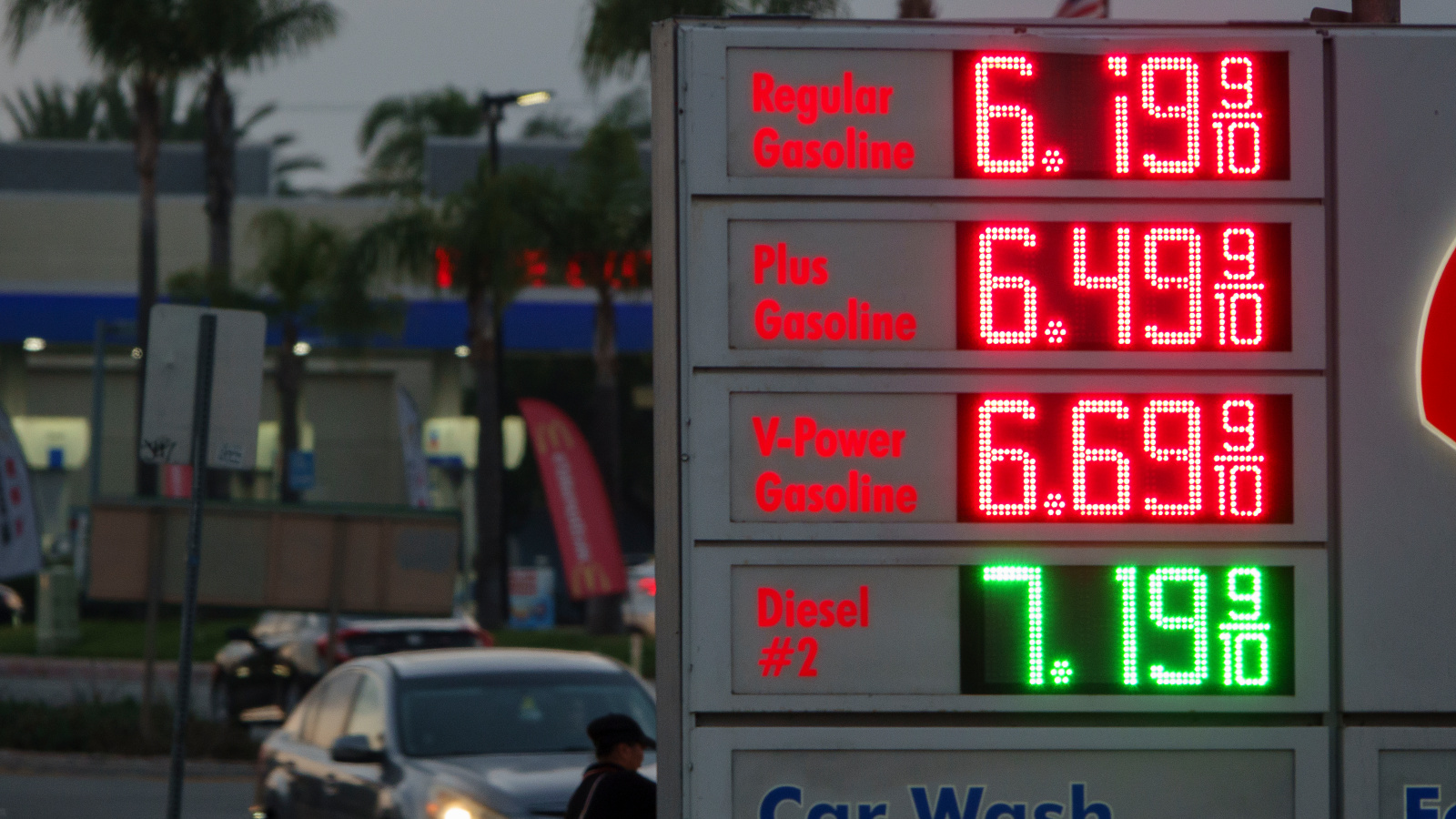
- Iran closed the Hormuz Strait again, prompting the International Energy Agency to label the disruption the "biggest energy crisis in history" and delaying Indian oil shipments.
- Ireland ended a six‑day fuel blockade by cutting diesel and petrol excise duties and postponing the carbon‑tax increase by six months.
- Hannah Daly of University College Cork called the €505 million rescue package a "ransom" to the fossil‑fuel system, noting it temporarily shields motorists but entrenches oil dependence.
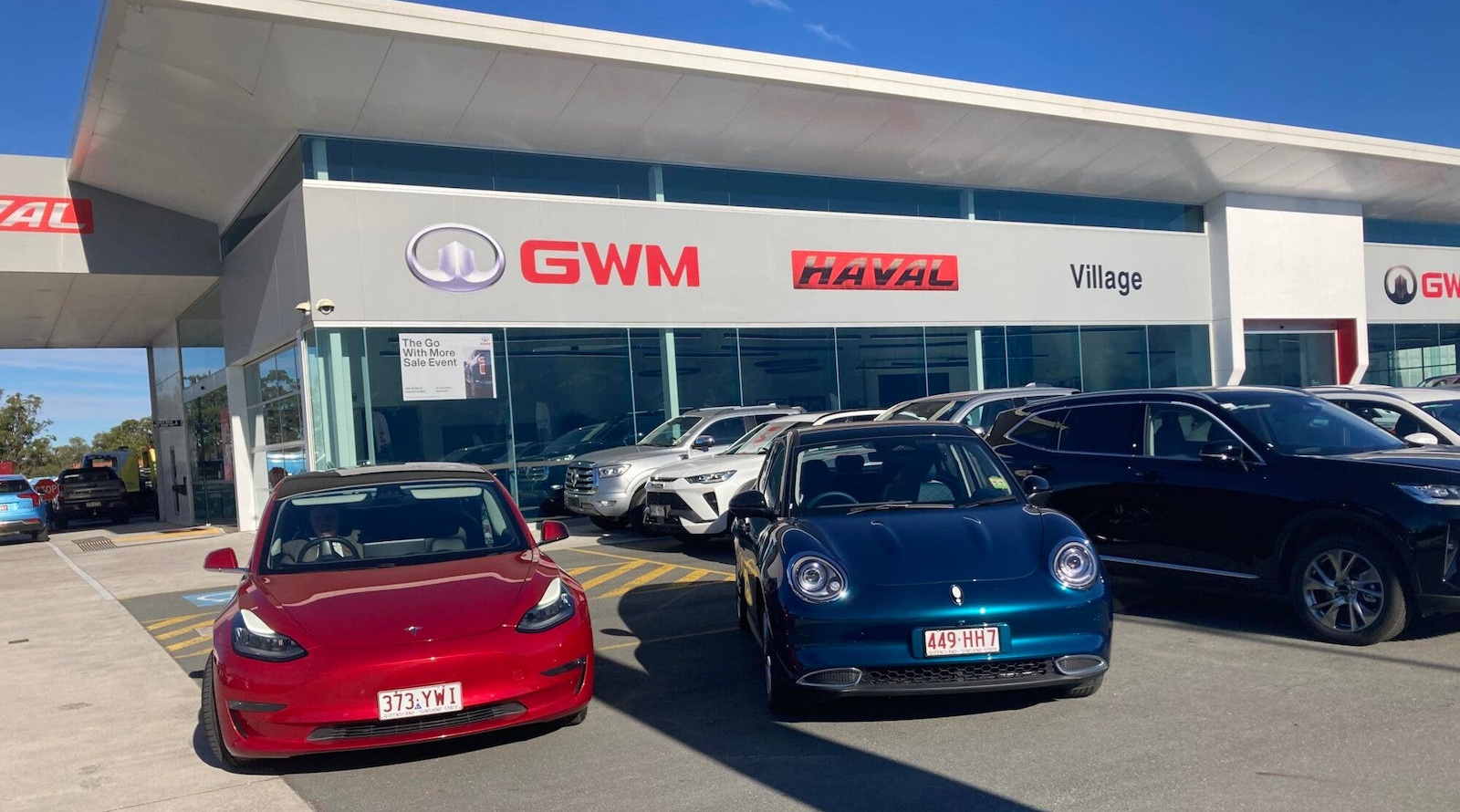
- European Union recorded a 51% surge in electric‑car sales in March, the sharpest rise since the Hormuz crisis.
- Donald Trump faces legal scrutiny over his national‑security justification for the Hormuz blockade, while a $20 billion cash reserve tied to his tariff threats is under investigation.
Why it matters: Irish motorists and hauliers gain short‑term price relief, but taxpayers lose €505 million and the subsidy entrenches oil dependence, driving up future carbon‑tax burdens and slowing Europe’s green transition.
Ask SkimNews