One giant US power line, enough wind power for 1 million homes — SkimNews
SkimNews Take
A 550-mile line carrying 3,000 MW of wind power shows that long-distance, high-capacity clean energy transmission is moving from outlier to infrastructure template, with each completed megaproject lowering perceived risk for the next.
Get the Energy newsletter
Daily energy & climate — solar, EVs, oil, the policy fights and tech bets shaping the transition. Free.
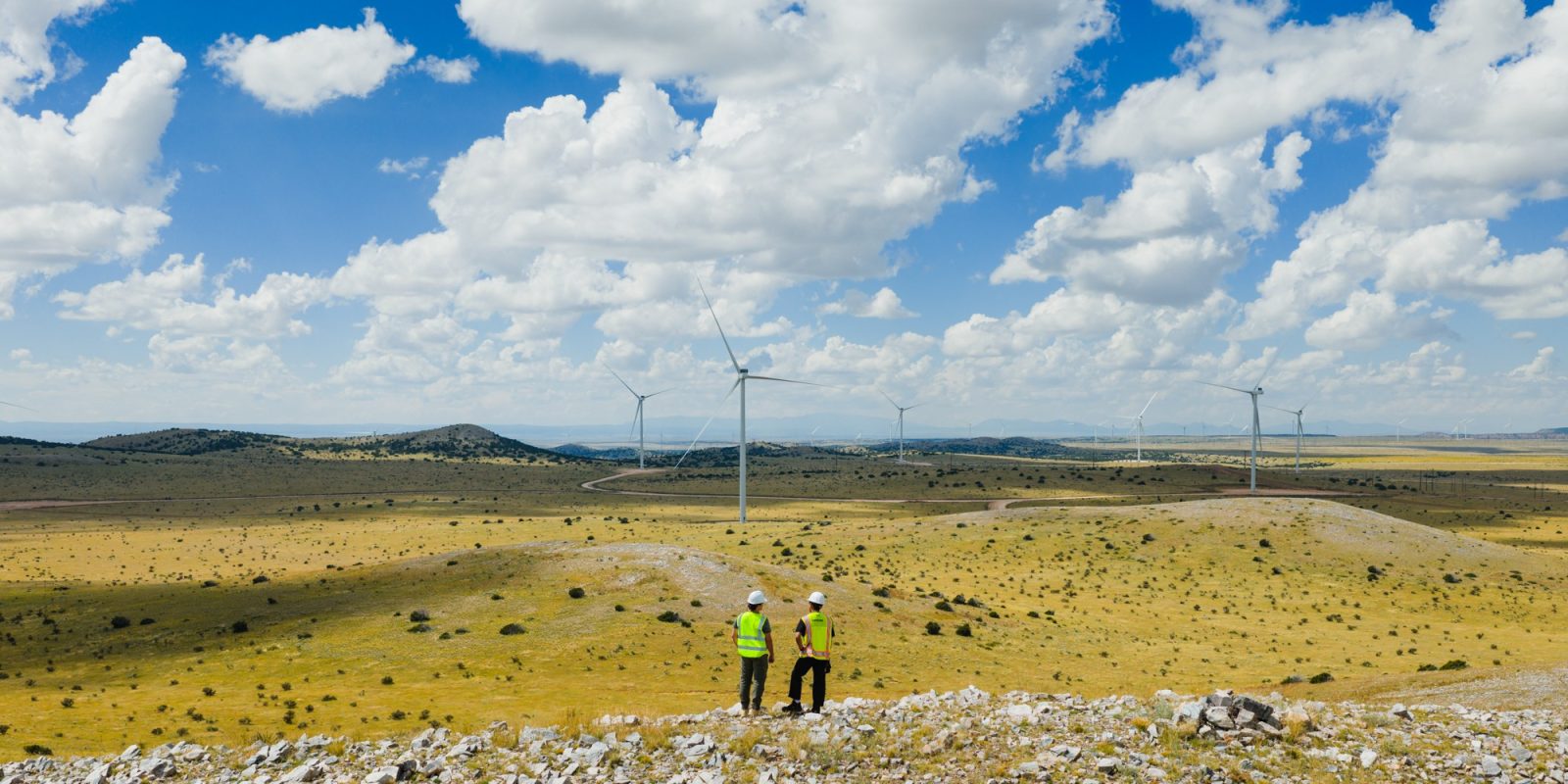
- SunZia officially came online as a $11 billion wind-and-transmission project linking New Mexico wind farms to Arizona and western US customers via Pattern Energy and Hitachi Energy.
- The 550-mile HVDC line can move up to 3,000 megawatts of power — enough electricity for roughly 1 million US homes — from the 3.65-GW, 916-turbine SunZia Wind project in New Mexico.
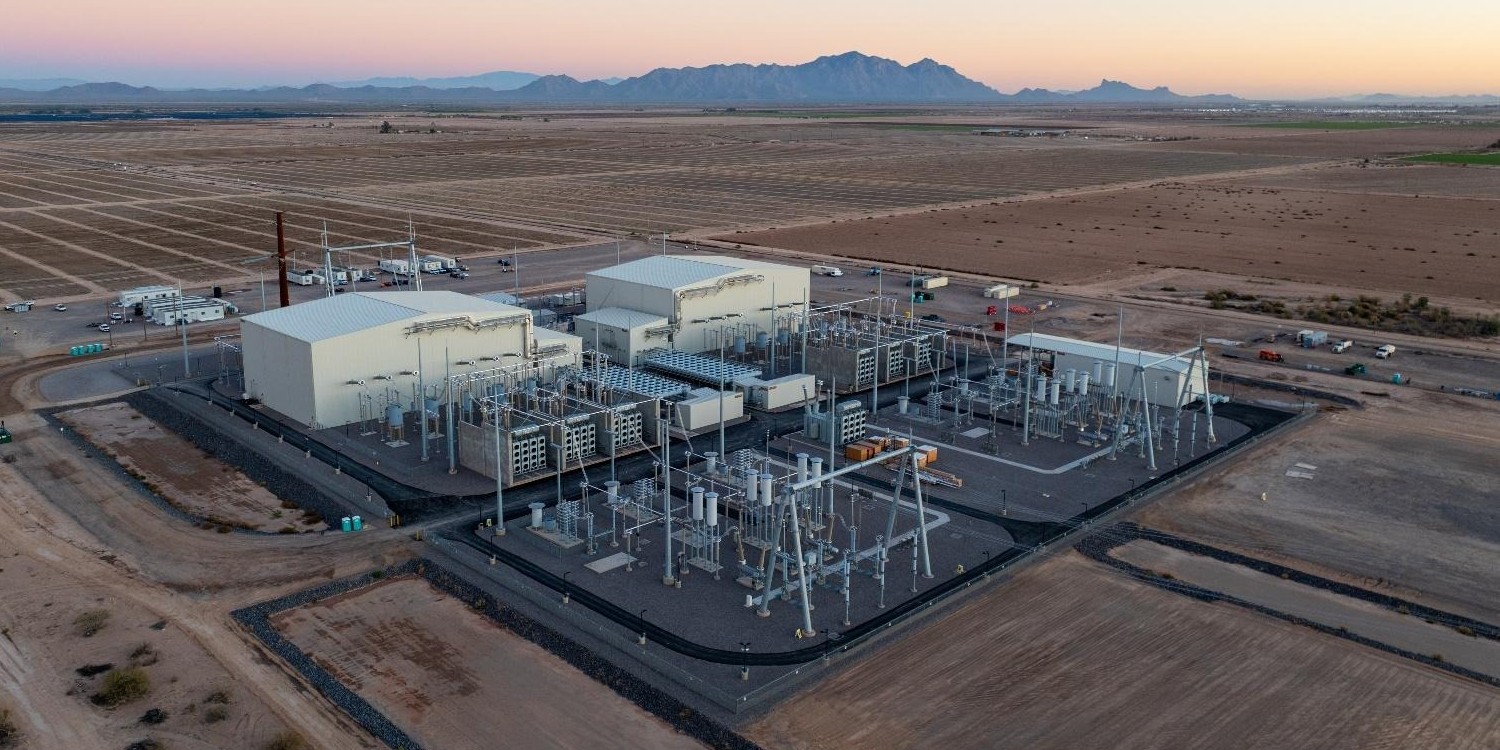
- At ±525 kilovolts, the line is the largest voltage source converter-based HVDC installation in the US, designed to rapidly adjust power flows to counter the evening "duck curve" when solar drops but demand stays high.
- The project is projected to avoid roughly 9 million metric tons of CO2 emissions in its first full year, equivalent to removing about 3 million gasoline-powered cars from roads for a year.
- CAISO CEO Elliot Mainzer said SunZia represents the kind of long-term infrastructure investment needed to deliver energy reliably to rising-demand areas and prepare the grid for the future.
Why it matters: SunZia delivers 3,000 MW of dispatchable wind capacity across 550 miles with relatively low losses, giving western grid operators a tool to fill evening demand spikes as data centers and electrification push power needs higher. Avoiding 9 million metric tons of CO2 in year one makes it one of the most consequential single transmission buildouts in US clean-energy history.
Ask SkimNews