How the biggest renewable energy project in US history finally got built — SkimNews
Get the Energy newsletter
Daily energy & climate — solar, EVs, oil, the policy fights and tech bets shaping the transition. Free.
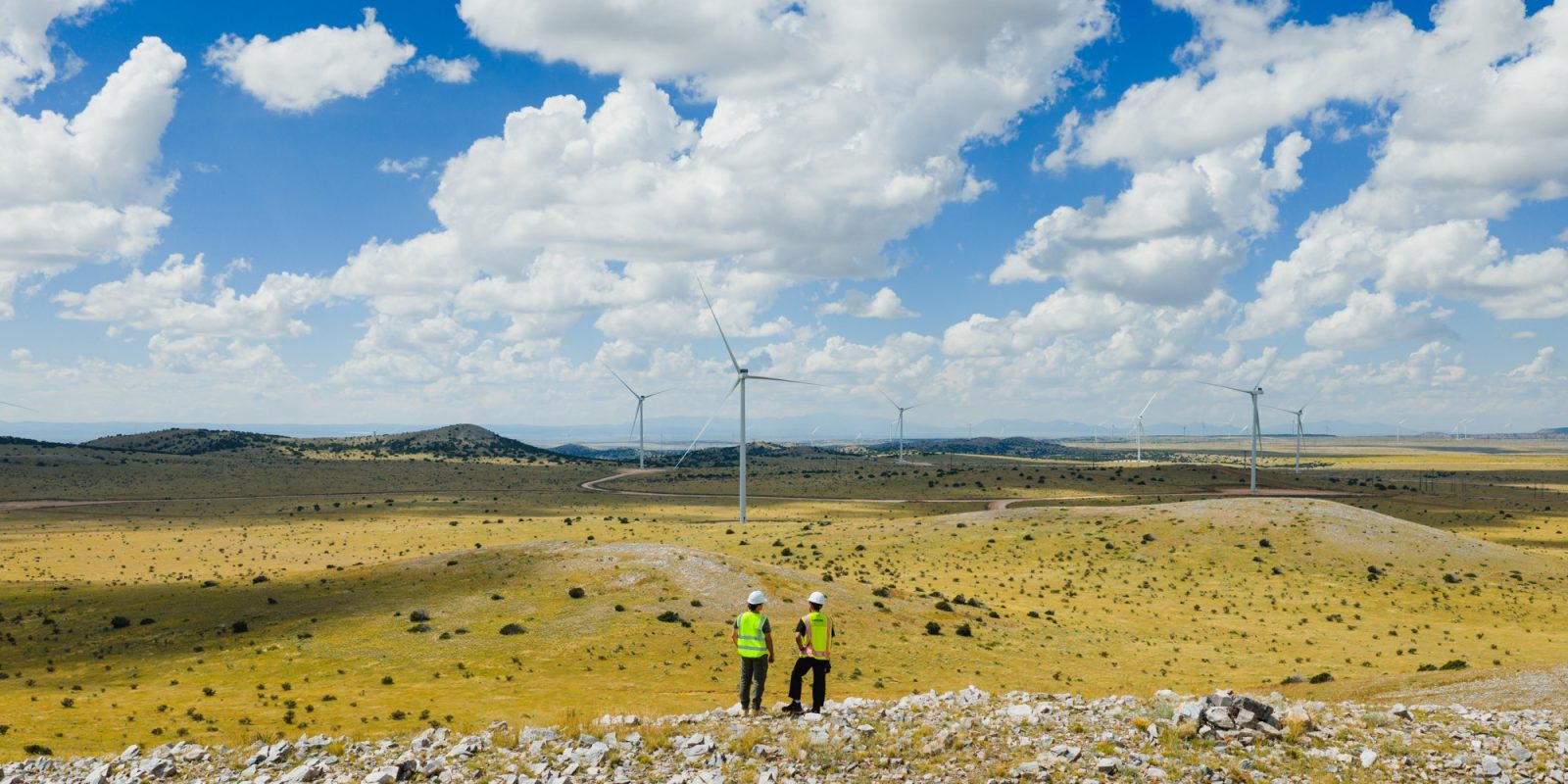
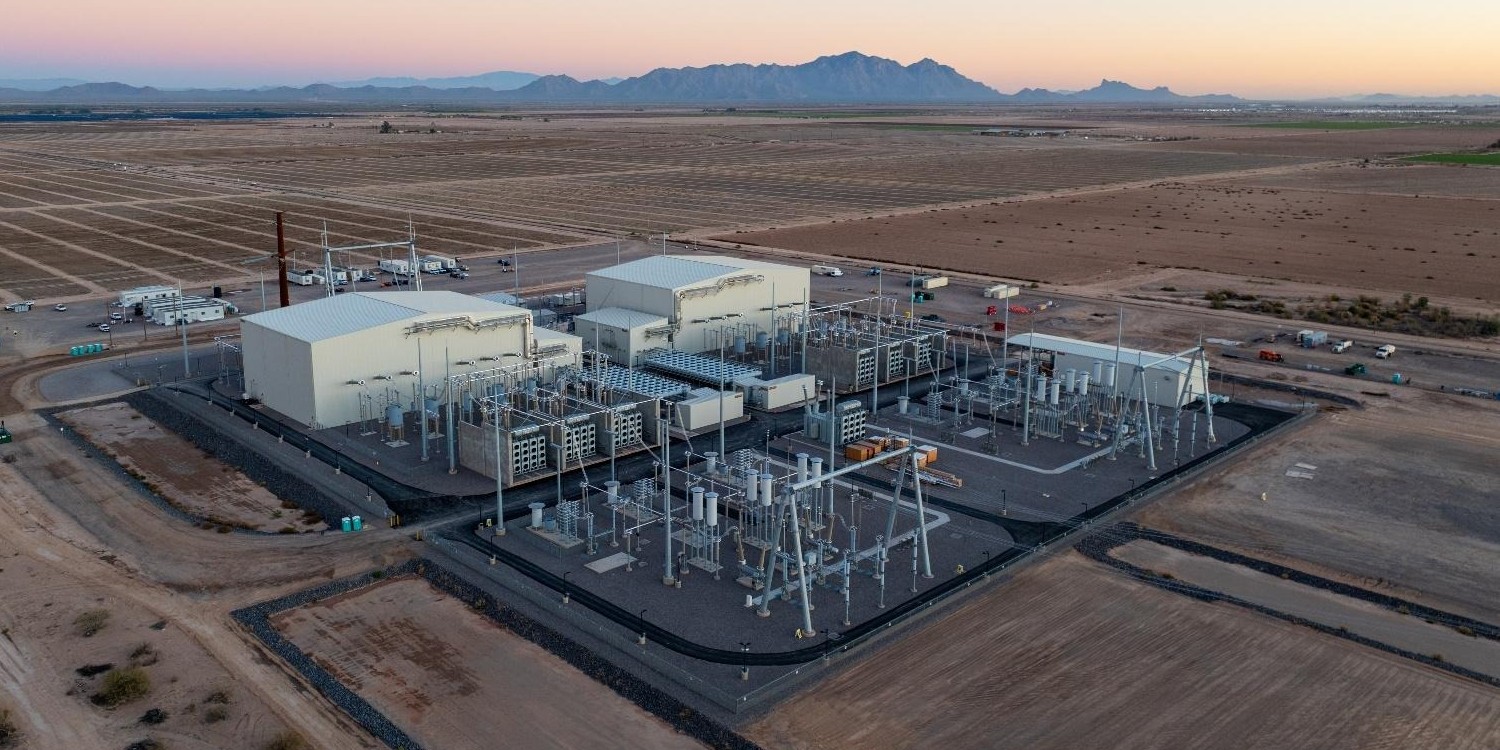
- SunZia came online this spring as North America’s largest wind farm, with more than 900 turbines in central New Mexico, a 550-mile transmission line and enough output for more than 1 million homes—more electricity than the Hoover Dam.
- Pattern Energy took over transmission development in 2022, obtained a revised federal permit in under two years and secured $11 billion in financing; construction followed after SunZia had gone 17 years without breaking ground.
- David Hayes, a former Interior deputy secretary, said financing hamstrung SunZia more than red tape: the project had its permit by 2015, but high construction costs and insufficient market demand stalled it.
- New Mexico Public Regulation Commission unanimously approved SunZia in 2022 after Pattern rerouted or modified lines to address migratory-bird risks; National Audubon Society vice president Sarah Rose praised the developer’s good faith, reversing an earlier rejection tied partly to bird concerns.
- Tohono O’odham Nation and the San Carlos Apache Tribe sued over SunZia’s unchanged Arizona route through the San Pedro Valley, where environmentalist Peter Else called the intrusion an “ecological homicide”; some project lawsuits remain pending.
- U.S. electricity demand is projected to rise 25% by the end of this decade and 78% by 2050, while Pattern CEO Hunter Armistead said the earlier market’s lack of demand for high-volume clean power is no longer an excuse for delay.
- Pattern Energy estimates SunZia will have prevented about 9 million metric tons of carbon dioxide from entering the atmosphere by next summer.
Why it matters: For Pattern Energy, the $11 billion financing and 2022 takeover reversed a 17-year stall as U.S. power demand was projected to rise 25% by 2030. SunZia is now powering more than 1 million homes, but unresolved suits over the Arizona route show that collaboration solved some conflicts, not all of them.
Ask SkimNews