Thailand's Myanmar Gambit Challenges ASEAN Unity

Get the Geopolitics newsletter
Daily geopolitics — wars, elections, sanctions, the diplomatic moves that move markets. Free.
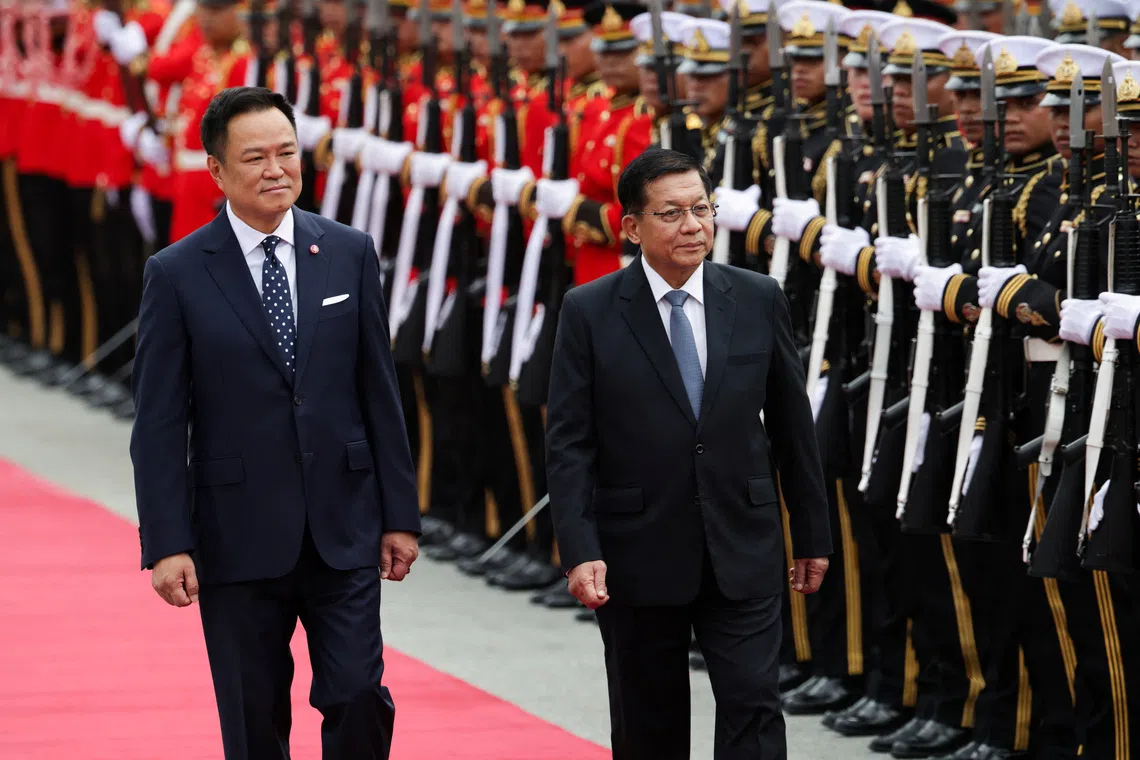
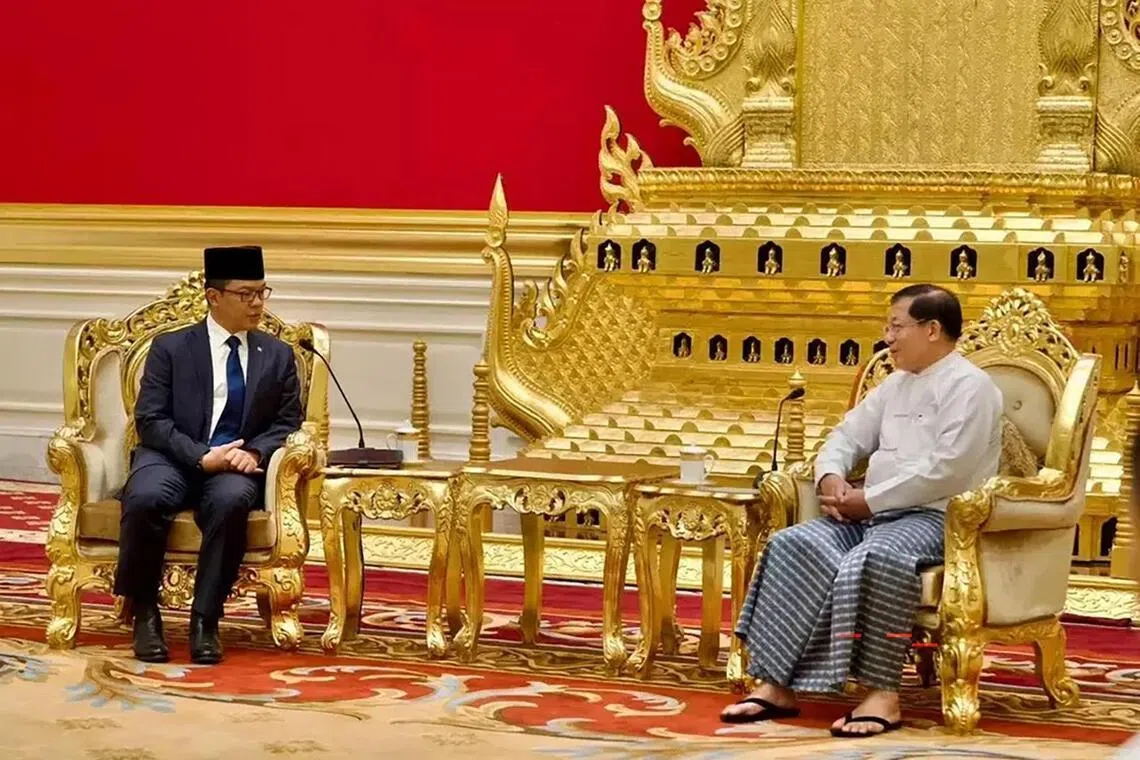
- Anutin Charnvirakul hosted Myanmar's Min Aung Hlaing on August 6 for a two-day visit, pledging to work toward reintegrating Myanmar into ASEAN summits (excluded since late 2021) and signing three MOUs covering labor, water, and space cooperation.
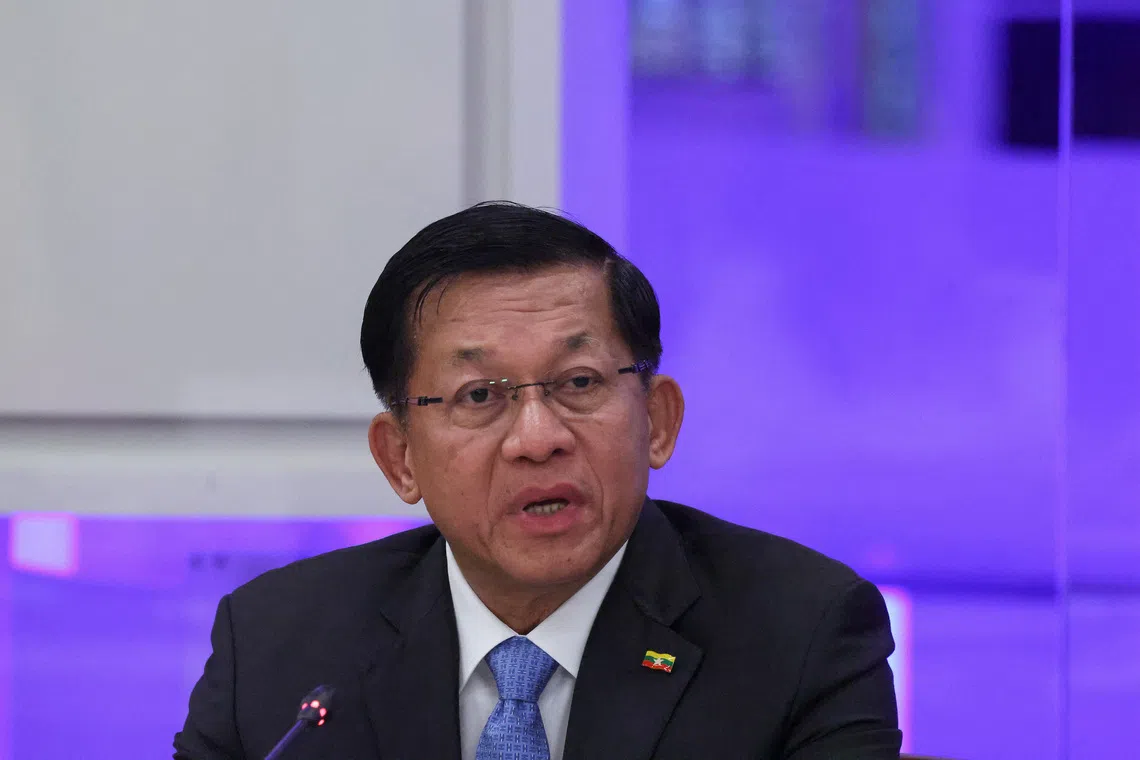
- Min Aung Hlaing visited the Thai parliament and invited Thai business leaders to invest in war-torn Myanmar; his appearance prompted a Thai MP to shout calls for peace and humanity in protest.
- Thailand's "calibrated reengagement" creates difficulties for the Philippines (current ASEAN chair) and Singapore (incoming 2027 chair), according to Chulalongkorn University Professor Thitinan Pongsudhirak.
- Thailand cited Aung San Suu Kyi's recent meeting with an International Committee of the Red Cross representative as evidence of progress; Foreign Minister Sihasak Phuangketkeow claimed Myanmar would allow ASEAN representatives to meet with the detained leader.
- ASEAN special envoy Ma. Theresa Lazaro (Philippine Foreign Secretary) said Myanmar's readmission remained "far off" without significant progress on the Five-Point Consensus — directly contradicting Thailand's reintegration pledge.
- Myanmar has shown no intention to implement the Five-Point Consensus and has openly criticized it, meaning Thailand's unilateral approach now runs in parallel with the bloc's exclusion-based strategy.
Why it matters: Thailand's hosting of Min Aung Hlaing without progress on the Five-Point Consensus gives the junta diplomatic legitimacy while splitting ASEAN into two tracks — a softer Thai-led engagement and the bloc's exclusion-based stance. With the Philippines chairing ASEAN now and Singapore taking over in 2027, Thailand's divergence tests whether the bloc's collective position can survive when a frontline state actively works around it.
Ask SkimNews