France Had Advance Notice of China SLBM Launch: Admiral — SkimNews
Get the Geopolitics newsletter
Daily geopolitics — wars, elections, sanctions, the diplomatic moves that move markets. Free.
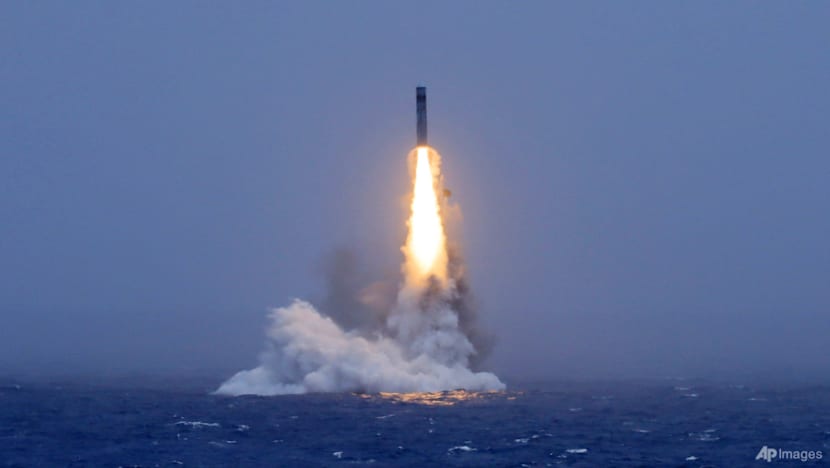
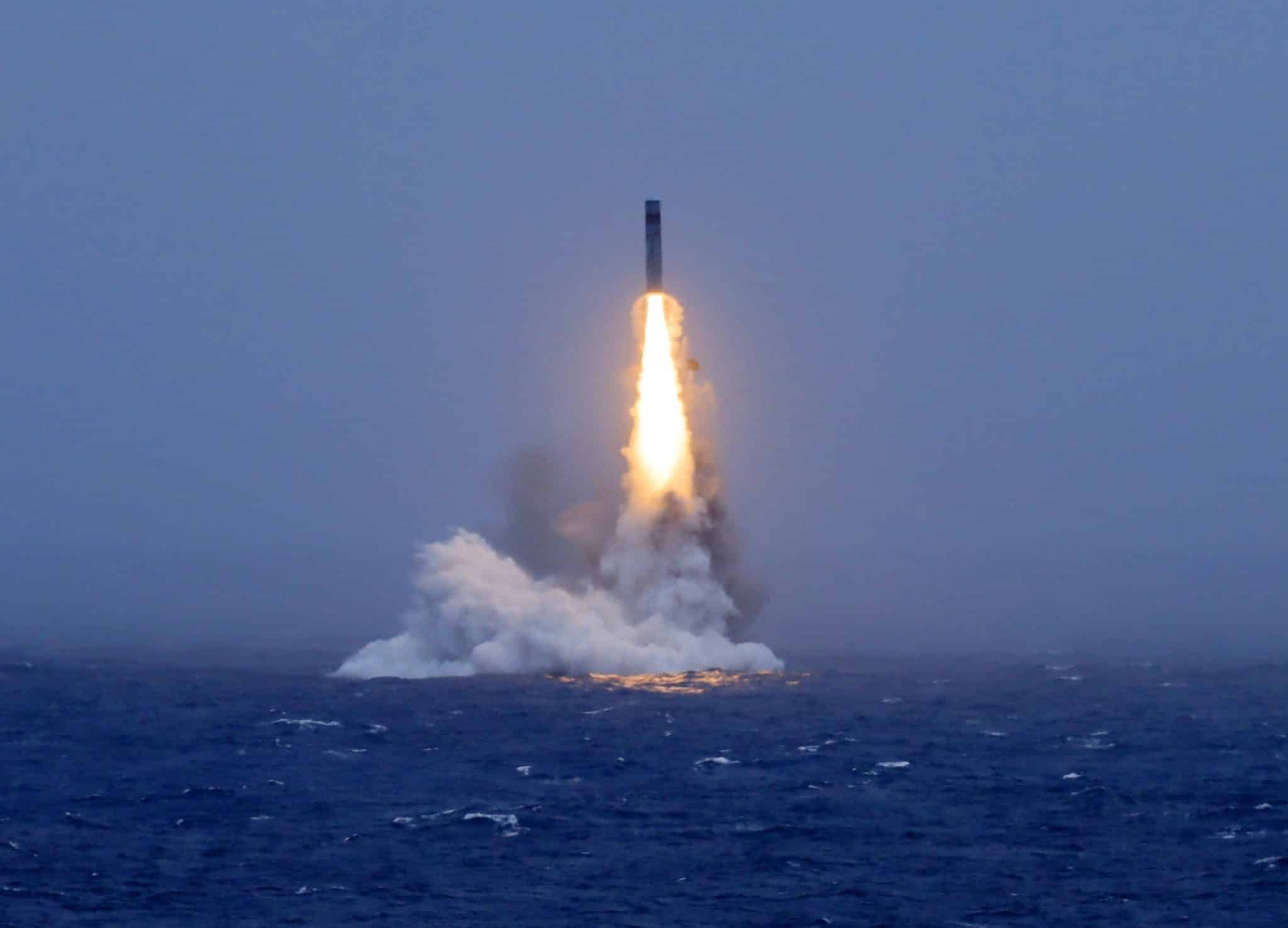
- Rear Adm. Guillaume Pinget confirmed in a July 10 Naval News interview that France had been advised of the imminence of China's SLBM launch and viewed it as a demonstration of nuclear deterrence credibility, declining to offer a legal interpretation under the Treaty of Rarotonga.
- France's Indo-Pacific posture rests on overseas territories home to roughly 1.8 million French citizens that account for more than 90 percent of France's Exclusive Economic Zone, the world's second largest, with permanent forces of 1,300+ in French Polynesia, 1,800+ in New Caledonia, and 4,000+ on La Réunion.
- French Pacific Command (CPP), established January 1 and headed by Pinget, oversees French military operations spanning from the Panama Canal to the Strait of Malacca, the newly created structure aimed at strengthening command and coordination across France's Pacific forces.
- France will continue transiting the Taiwan Strait when operationally appropriate, with Pinget stating "we will continue when required, when needed," while emphasizing adherence to international law rather than framing the approach as confrontation with Beijing.
- Pinget expressed concern over growing Russia-North Korea military cooperation, including reported Russian oil deliveries to North Korea, and pledged to deploy French assets around the Korean Peninsula later this year to monitor sanctions evasion.
- Charles de Gaulle's potential first-ever port call in Japan remains unresolved, complicated by the carrier's role in France's nuclear deterrent posture via Rafale M fighters carrying the ASMP-A nuclear-armed cruise missile, which must coexist with Japan's Three Non-Nuclear Principles.
- France and Japan are broadening defense cooperation across naval, air, land, cyber and space domains, including the upcoming Brunet-Takamori bilateral army exercise, a new Pégase deployment, and the first-ever French Navy participation in the U.S.-Japan Keen Sword exercise later this year.
Why it matters: France's confirmed advance notice of China's SLBM launch and Pinget's framing of it as deterrence signaling — rather than a Treaty of Rarotonga violation — signals Paris is positioning itself as a pragmatic nuclear stakeholder in the Pacific, not a concerned bystander. The Charles de Gaulle port call question is the concrete test: a Japan visit would force a collision between France's deliberate nuclear ambiguity and Japan's non-nuclear principles, with no resolution yet in sight.
Ask SkimNews