75% of Clean Power Survives IRA Repeal, MIT Finds — SkimNews
SkimNews Take
Renewable deployment appears to have crossed a cost threshold where federal subsidies supplement rather than sustain projects, but EV and manufacturing supply chains remain subsidy-dependent — meaning the IRA's domestic-industrial buildout is collapsing even as generation capacity continues.
Get the Energy newsletter
Daily energy & climate — solar, EVs, oil, the policy fights and tech bets shaping the transition. Free.
- MIT's Center for Energy and Environmental Policy Research published a paper last week concluding that about 75% of new clean power expected under the IRA will still come online without the tax credits, with more than 80% of large-scale solar and nearly all rooftop solar surviving.
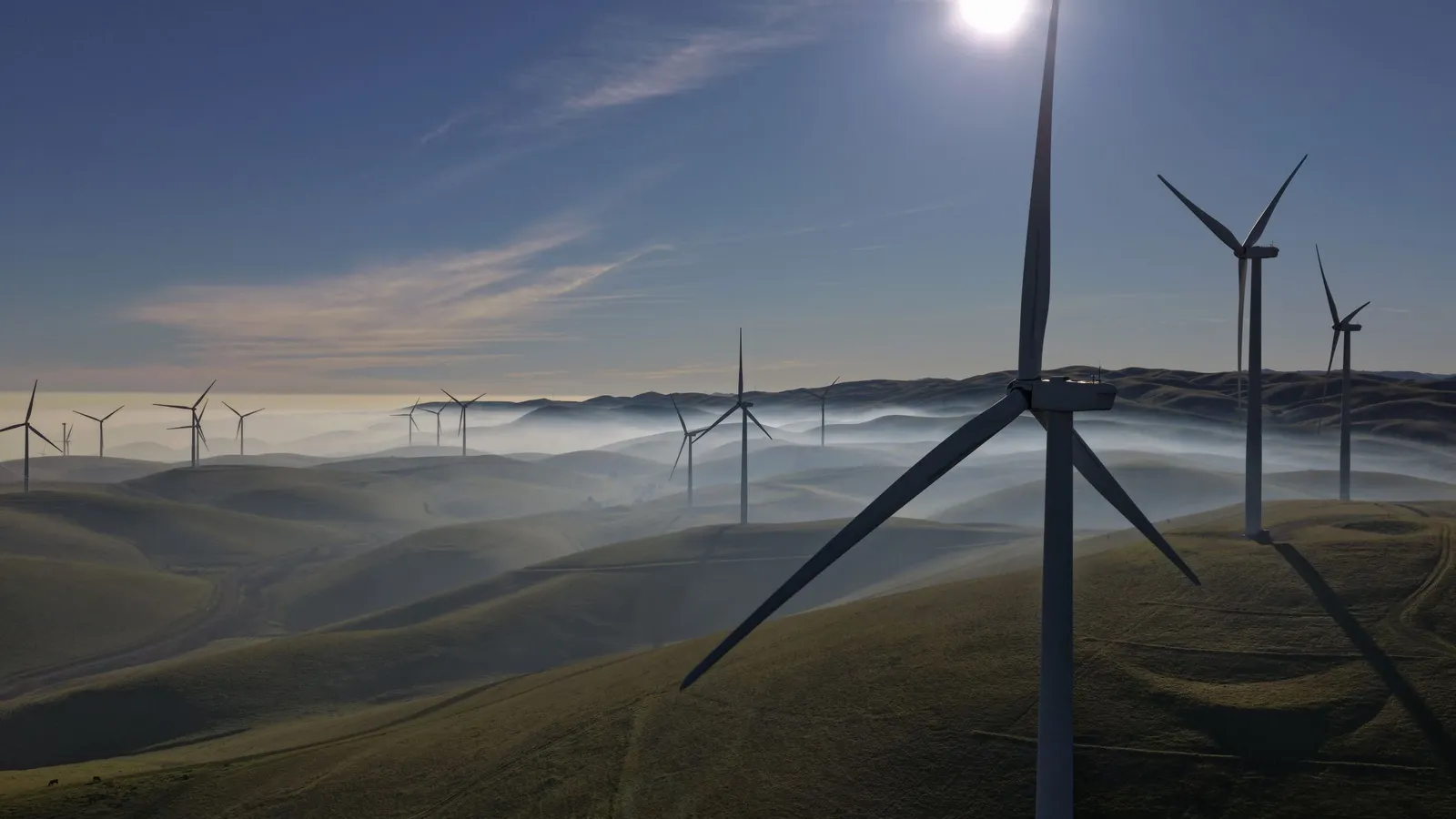
- Onshore wind faces the steepest decline among renewables — roughly 50% of those projects will vanish without tax credits, compounded by additional roadblocks from Trump's Pentagon.
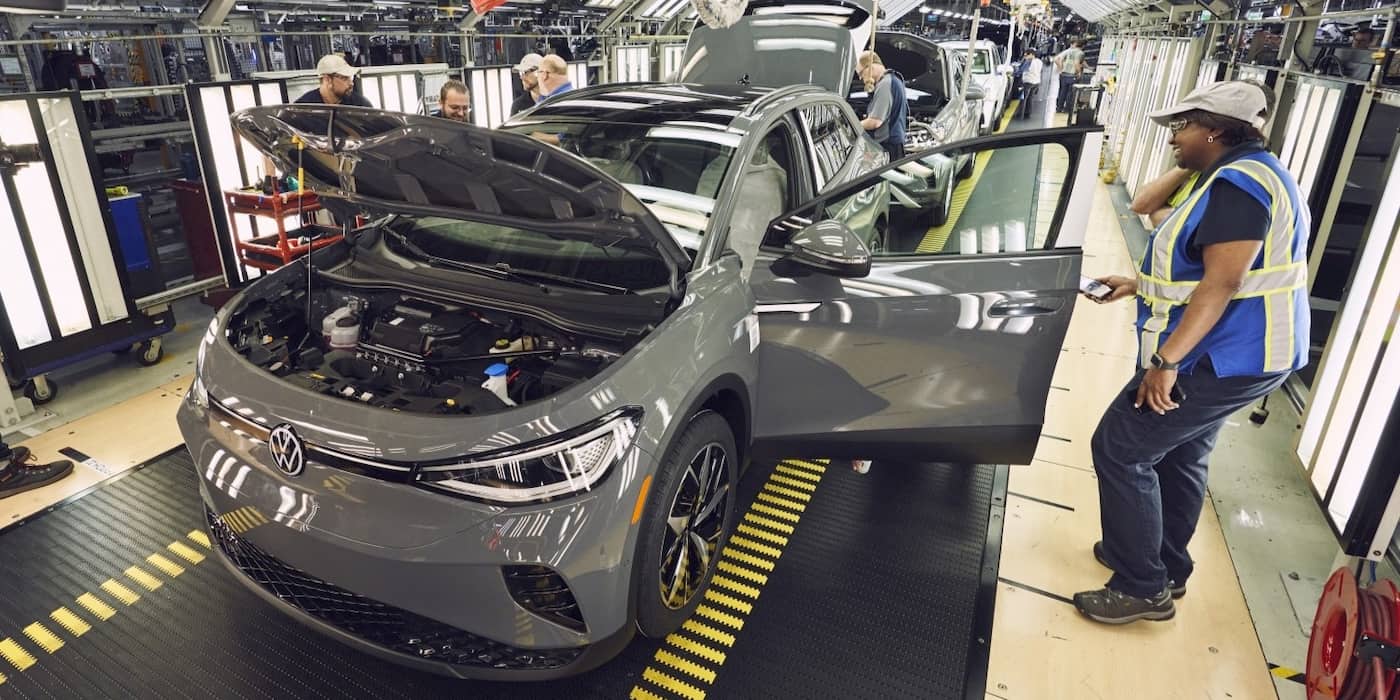
- The EV industry has absorbed the heaviest toll, shedding more than 250,000 jobs — roughly half of all job losses from the repeal — according to E2's analysis covering cancellations beginning January 1, 2025.
- Ford closed its BlueOvalSK EV battery plant last year but has since begun retooling it to manufacture utility-scale batteries that store solar energy when the sun isn't shining.
- Google signed a roughly $1 billion deal for about 1.4 gigawatts of wind power in Minnesota — enough to supply roughly 500,000 homes — as AI data center demand drives tech giants to pay top dollar for renewables.
- The IRA's 50% emissions-cut goal from peak levels by 2035 is now out of reach, with emissions likely remaining flat through the end of the decade, per multiple studies cited in the piece.
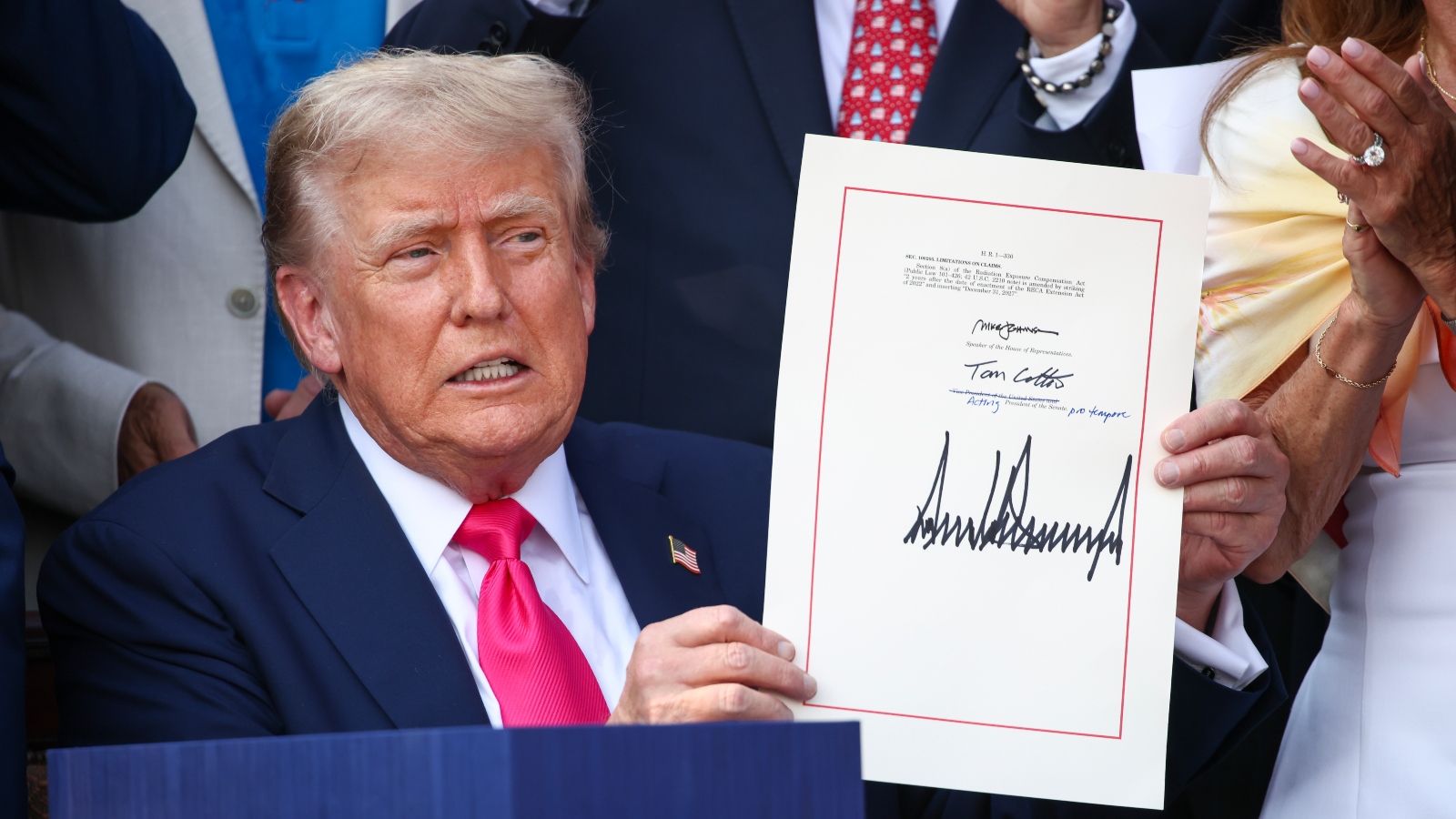
- E2's economic analysis estimates the Big Beautiful Bill wiped out roughly $53 billion in wages and $20 billion in tax revenue from new energy construction alone, with about 125,000 clean energy construction jobs lost.
Why it matters: Clean power generation proved more resilient than expected because renewables are already cost-competitive without subsidies, but the EV sector — which was supposed to anchor America's manufacturing renaissance — has lost a quarter-million jobs. The roughly $73 billion in combined lost wages and tax revenue quantifies what Trump's repeal actually destroyed, while the AI data center boom simultaneously saved wind developers (via Google's $1B Minnesota deal) and revived coal and gas demand.
Ask SkimNews