A month after Congress killed the solar tax credit, the industry is anything but dead — SkimNews
Get the Energy newsletter
Daily energy & climate — solar, EVs, oil, the policy fights and tech bets shaping the transition. Free.
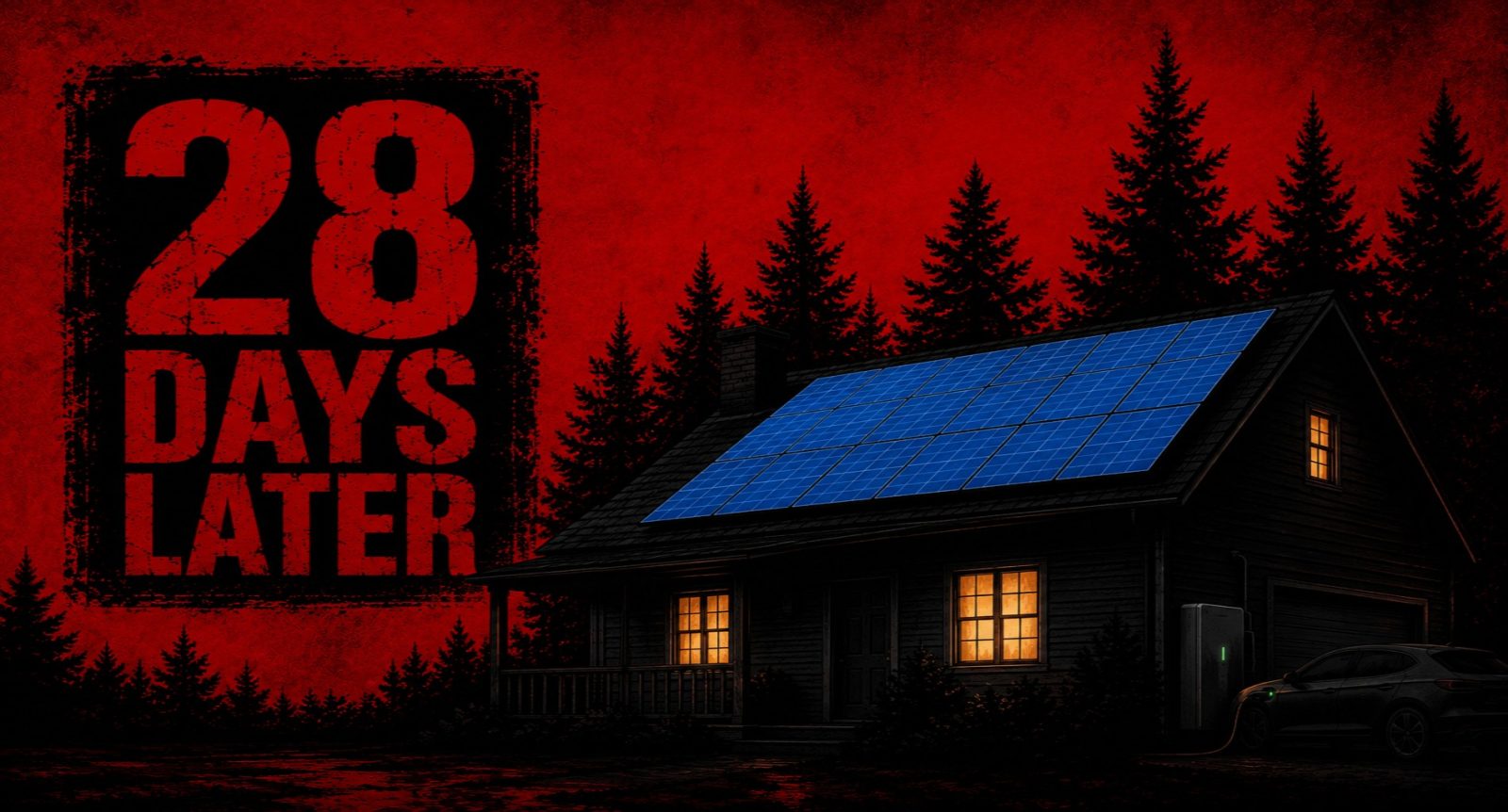
- The One Big Beautiful Bill killed the 30% federal solar tax credit and the $7,500 federal EV tax credit, with July 4 — America's 250th birthday — marking the final 'safe harbor' date to qualify a new project for the credit.
- SEIA and Wood Mackenzie now project an 18-21% slide in the residential solar market, far softer than the collapse many predicted; the article cites reader-survey evidence that a lot of homeowners didn't know the 30% credit existed in the first place.
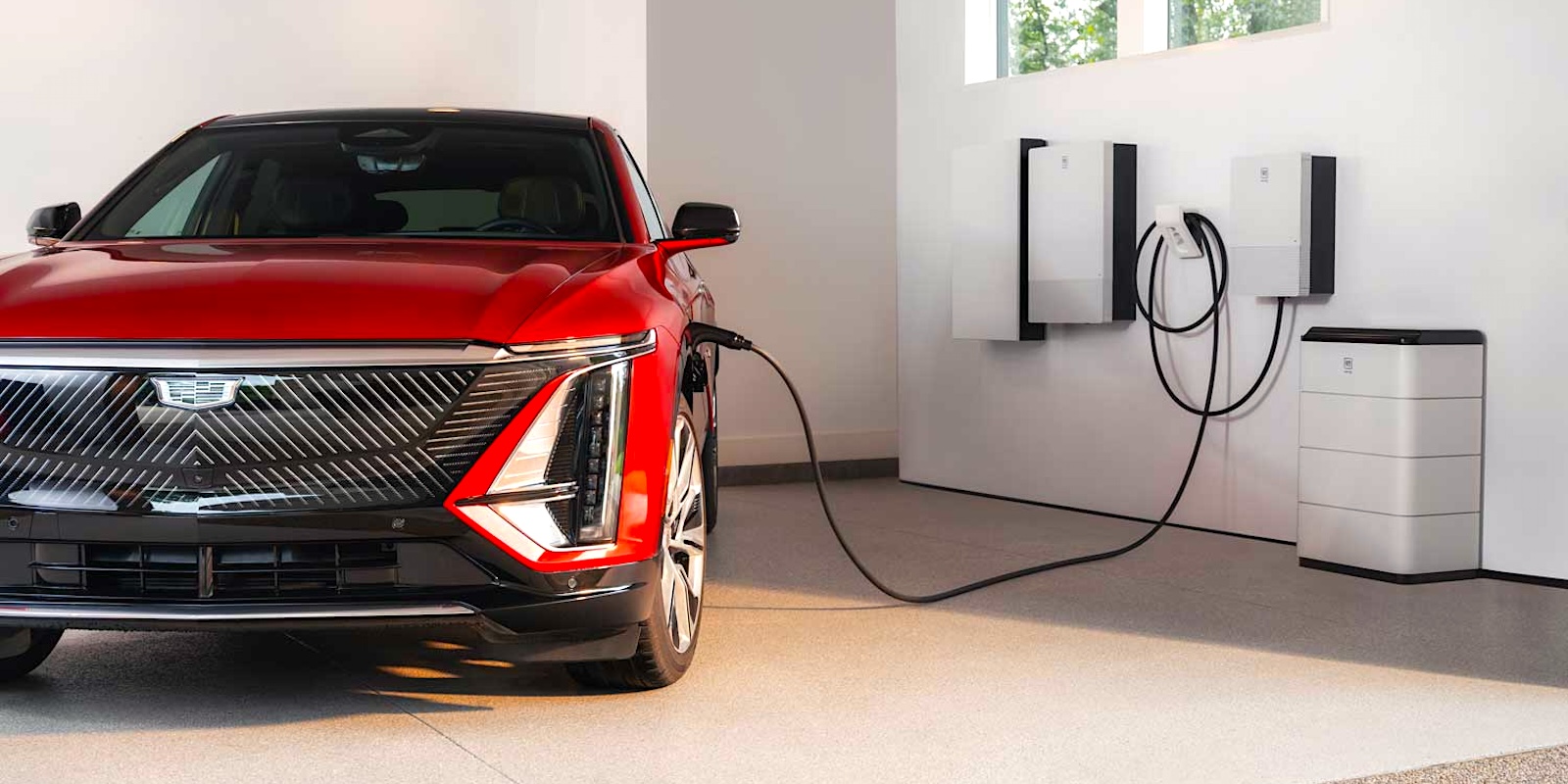
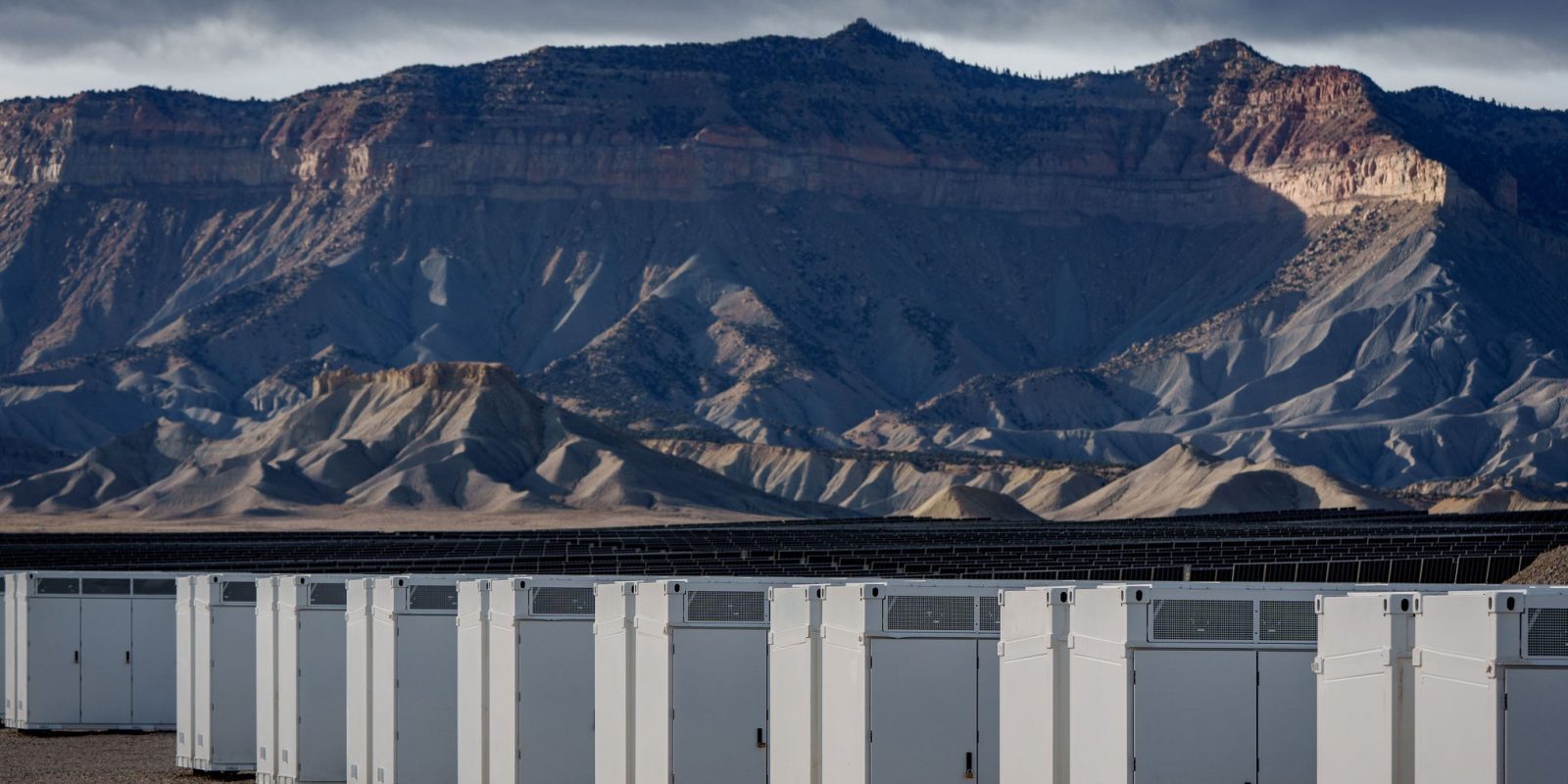
- Battery attachment rates for new residential solar installations have reached up to 45% in 2025, up from roughly 6% in 2020, as buyers pair panels with storage for backup power and grid independence.
- The industry's sales pitch has pivoted from 'save money on your bill' to grid resilience and energy security, driven by rising energy prices, more frequent major storms, and an increasingly unreliable grid.
- GM Defense employee Jim Reilly described his rooftop-solar-plus-GM Energy-battery-plus-GMC Sierra EV setup as 'Energy Dominance': 'I own the refinery and the delivery system. While the world reacts to the price at the pump, my costs are a flat line.'
- Electrek reader Craig Merrow reports his 6.5 kW rooftop PV array generates 16 kWh/day in winter and 38 kWh/day in late spring against just 5-6 kWh/day of household use — zero heating or utility bills ten years after install, with battery storage covering outages.
Why it matters: The tax credit's death was forecast to crater residential solar, but with just an 18-21% projected slide and 45% of new installs including batteries, the market has pivoted from subsidy-driven savings to resilience-driven sales. Solar's post-credit buyer now values storm-readiness and energy independence above all else.
Ask SkimNews