Net Metering Dies, Solar-Plus-Battery Becomes the Default — SkimNews
Get the Energy newsletter
Daily energy & climate — solar, EVs, oil, the policy fights and tech bets shaping the transition. Free.
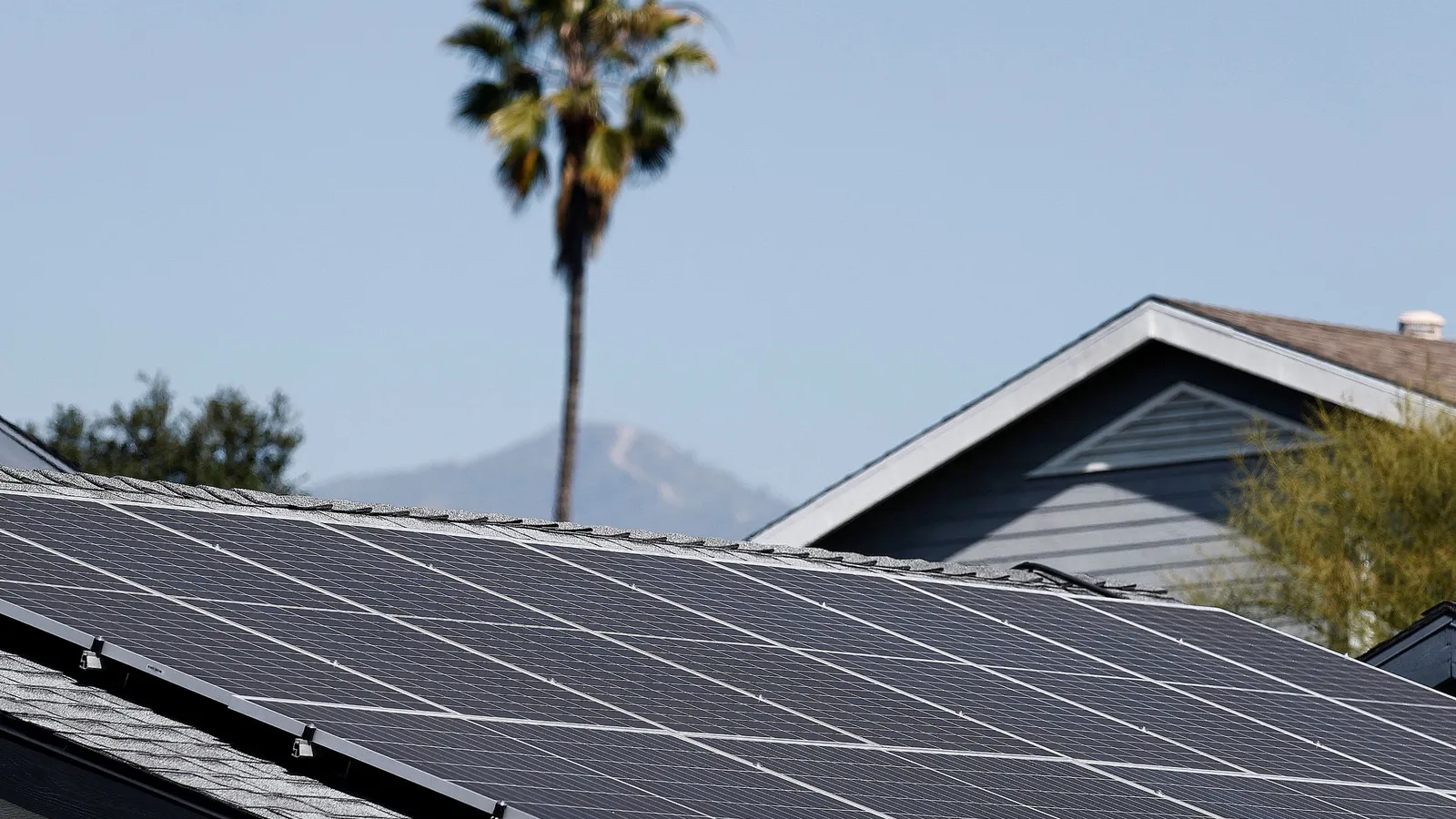
- California's NEM 3.0 and similar net metering reforms have "dramatically reduced" the value of exporting rooftop solar to the grid, upending the decade-old math that made selling excess power back profitable.
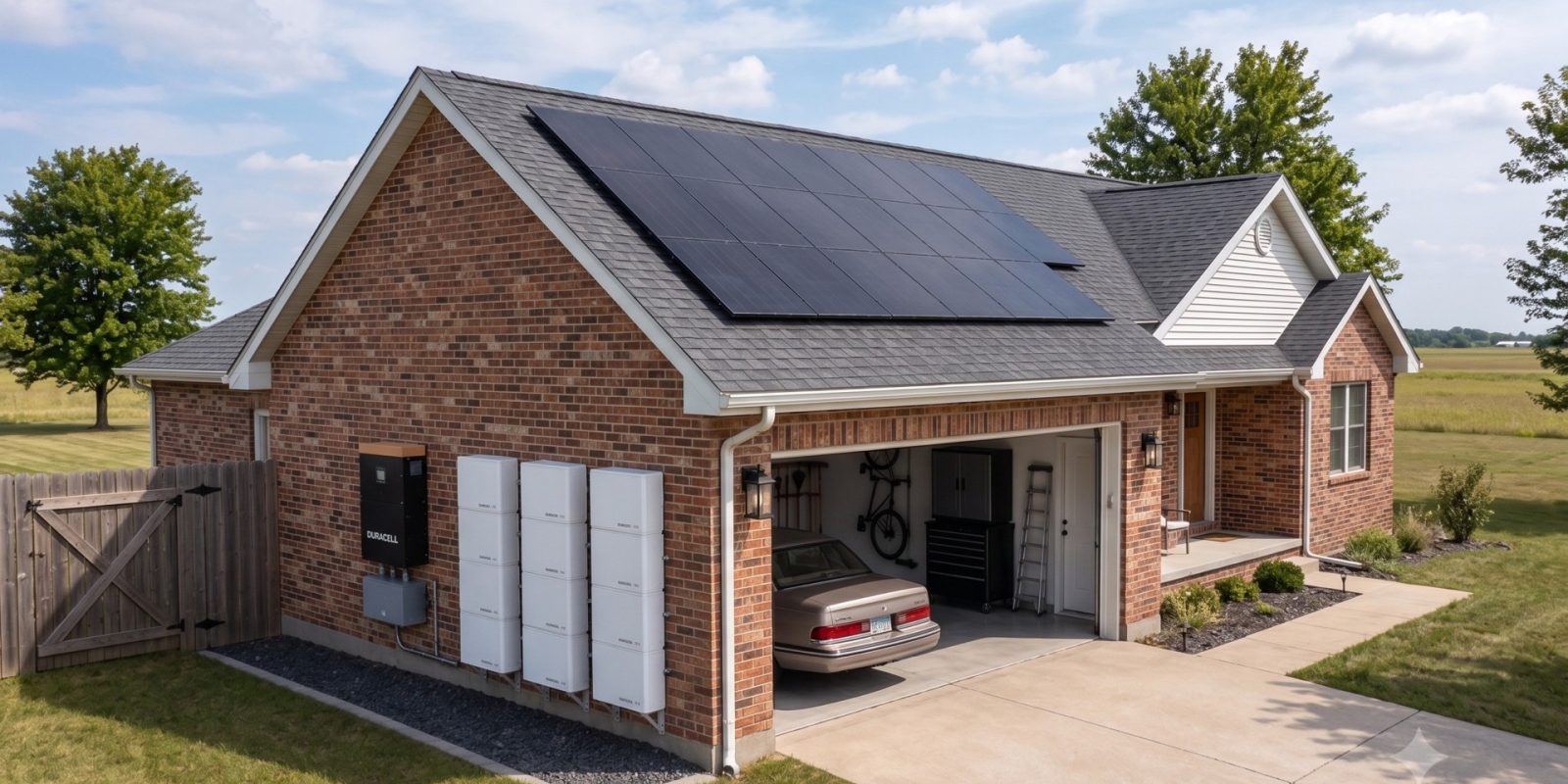
- Home batteries now function as energy arbitrage devices, charging on cheap or off-peak power and discharging during expensive peak hours, a strategy that works year-round including winter when solar output is low.
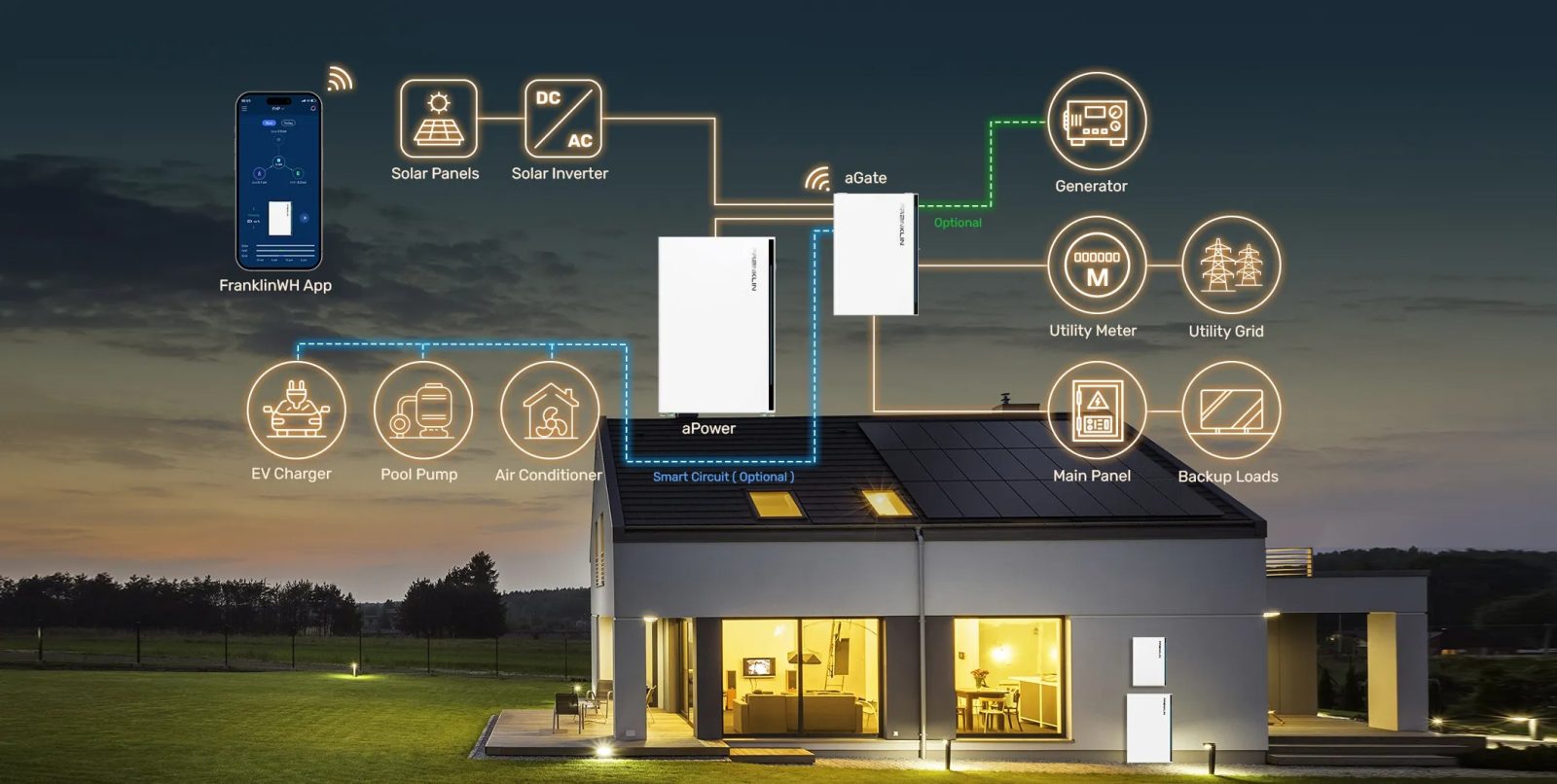
- The home energy market is shifting from solar alone to solar + battery, and increasingly solar + battery + EV, with systems designed to treat the car as part of a "whole home" power plant.
- Tracy Price, founder and retired CEO of EV charging installer Qmerit, said "America has arrived at an inflection point in which the technical, policy, and financial pieces are finally in place for whole-home electrification."
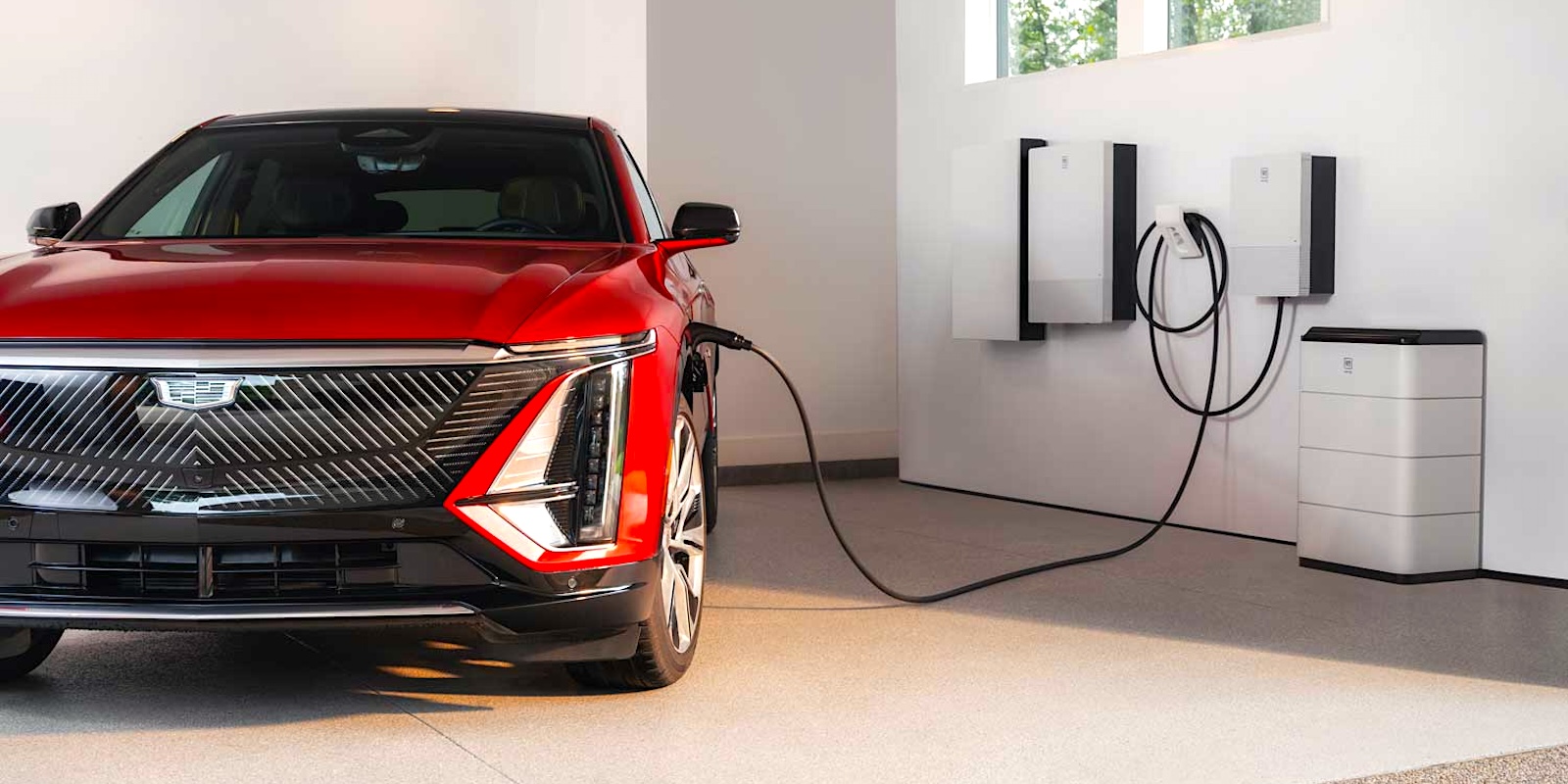
- Tesla's Powerwall + Cybertruck, GM Energy's V2H Bundle, and home energy ecosystems from Rivian and Nissan are cited as platforms that coordinate solar, battery, smart panels, and vehicle power into a single cohesive system.
- These integrated setups behave "less like a simple rooftop generator and more like a miniature grid," constantly optimizing when to store, use, or export electricity.
Why it matters: For homeowners, the old pitch — buy panels, sell surplus back to the grid at retail — is broken under new rules like NEM 3.0, so the financial case now requires on-site storage (and optionally a bidirectional EV) to capture value. That shifts spending toward battery and V2H hardware makers (Tesla, GM Energy, Rivian, Nissan) and away from utilities, while turning each home into a potential microgrid node.
Ask SkimNews