What is El Niño, what causes it and can we reduce the risks? — SkimNews
Get the Energy newsletter
Daily energy & climate — solar, EVs, oil, the policy fights and tech bets shaping the transition. Free.
- This year's El Niño has already reached 3°C above average in the eastern Pacific, matching the 2015 high, with temperatures on course for 4°C above average — potentially the strongest event in 1,000 years and still not yet peaked.
- Prof Mat Collins of the University of Exeter told the Guardian that El Niño and human-caused global heating are two separate phenomena that 'layer on top of each other,' with El Niño exacerbating existing drought conditions caused by warming.
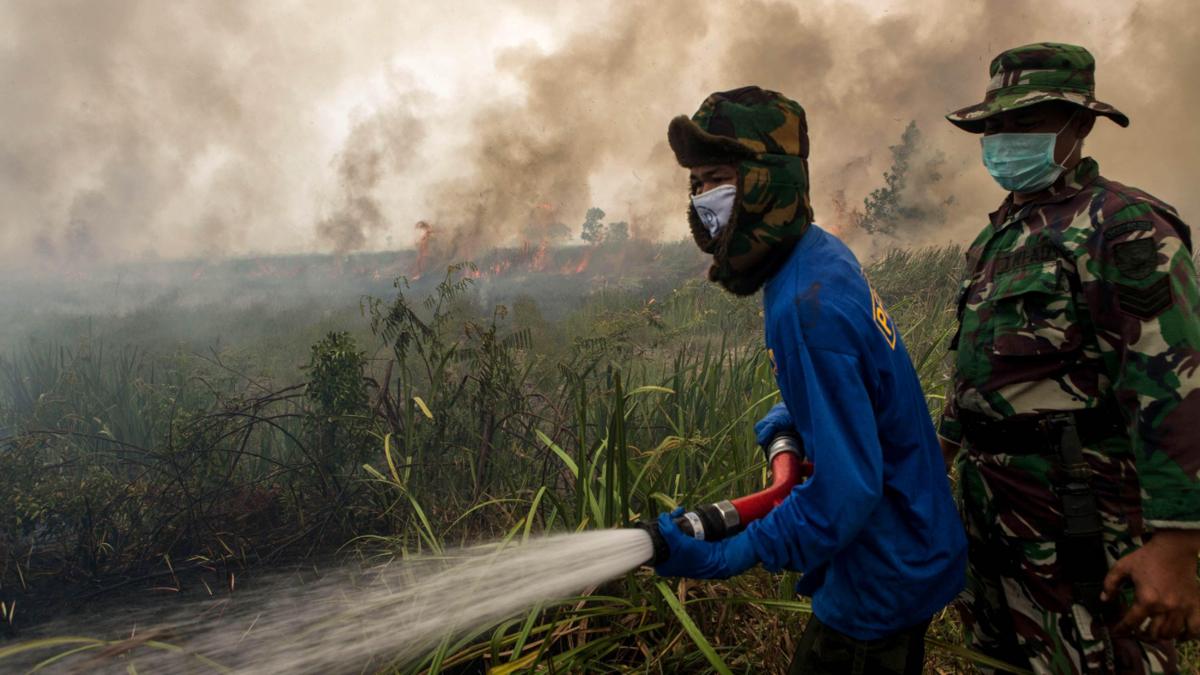
- The 2025 El Niño is driving more wildfires in Indonesia, drought in the Amazon, a weakened Indian monsoon, and higher temperatures across the Pacific Rim, with UK meteorologists forecasting a wetter autumn and winter.
- Recent UK heatwaves and wildfires in Europe, Canada and the US were NOT worsened by El Niño, Collins says, because they came too soon after its onset — those conditions more likely reflect global warming combined with persistent high-pressure weather patterns.
- Climate change may be making El Niños more frequent and intense, but Collins says there is no 'smoking gun' proving this yet, noting the signal is likely to emerge first in rainfall patterns within the next decade.
- Forecasting systems can now predict El Niño events 6-9 months ahead — a dramatic improvement over the 1982-83 event, when 'people really did not know what was happening' — allowing farmers in Latin America to switch crops and southeast Asian governments to brace for wildfires.
Why it matters: Poorer countries already suffering climate-change impacts will bear the worst El Niño disruptions to agriculture and the global economy, Collins warns — but current forecasting systems now predict events 6-9 months out, giving governments and farmers a narrow window to switch crops, reinforce infrastructure, and prepare for wildfires before they hit.
Ask SkimNews