What is El Niño, what causes it and can we reduce the risks? — SkimNews
Get the Energy newsletter
Daily energy & climate — solar, EVs, oil, the policy fights and tech bets shaping the transition. Free.
- Prof Mat Collins of the University of Exeter told the Guardian that this year's El Niño has already pushed eastern Pacific sea surface temperatures to 3°C above average — matching the 2015 high — and could reach 4°C before year-end
- The El Niño could be on course to be the strongest in 1,000 years and has not yet peaked, with current trajectories pointing to what Collins called "an incredible El Niño event"
- El Niño is a natural climate pattern occurring every three to seven years that warms the normally cool east Pacific and shifts tropical rainfall; the last one struck in 2023-24, less than two years ago
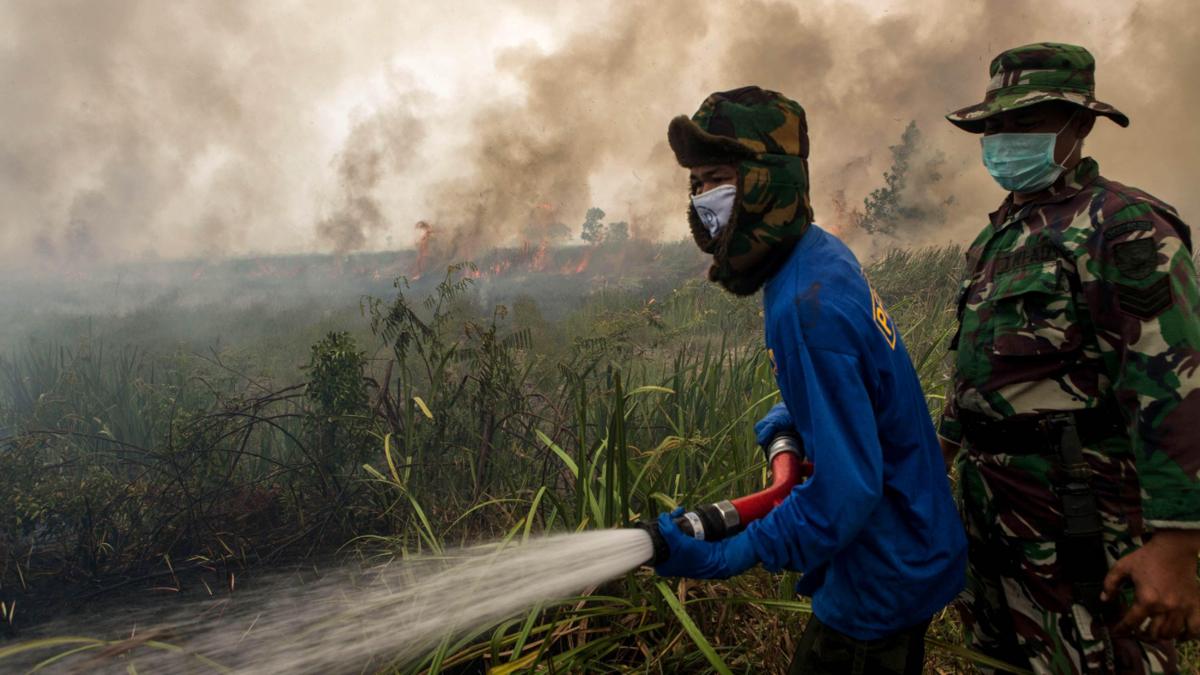
- Expected impacts include more wildfires in Indonesia, drought in the Amazon rainforest, a weakened Indian monsoon, and elevated temperatures around the Pacific Rim and into the UK
- Collins attributed recent UK heat waves and wildfires in Europe, Canada, and the US to global warming and persistent anticyclonic patterns — not El Niño, which normally lags weeks or months behind
- James Hansen, whom Collins called "arguably the world's most influential climate scientist of the past 50 years," argues human-driven climate change is behind this El Niño's abnormal strength; Collins called that "a plausible hypothesis but hard to prove"
- Forecasting has improved dramatically since the 1982-83 event, when "nobody understood" what was happening — systems can now predict El Niños 6-9 months ahead, letting farmers in Latin America replant and Southeast Asian governments brace for wildfires
Why it matters: Poorer countries already suffering climate change consequences will face compounded disruption as El Niño layers drought, wildfire, and monsoon disruptions on top of baseline global warming — Collins himself called the trajectory "worrying." The lack of observational data to prove whether climate change is intensifying El Niños means the communities most exposed cannot yet rely on definitive models to protect them.
Ask SkimNews