WMO: Latin America Hit by Drought, Floods, Record Heat in 2025 — SkimNews
SkimNews Take
The simultaneous occurrence of floods and droughts indicates that water is increasingly available at the wrong times and places, rather than a universal scarcity of the resource.
Get the Energy newsletter
Daily energy & climate — solar, EVs, oil, the policy fights and tech bets shaping the transition. Free.
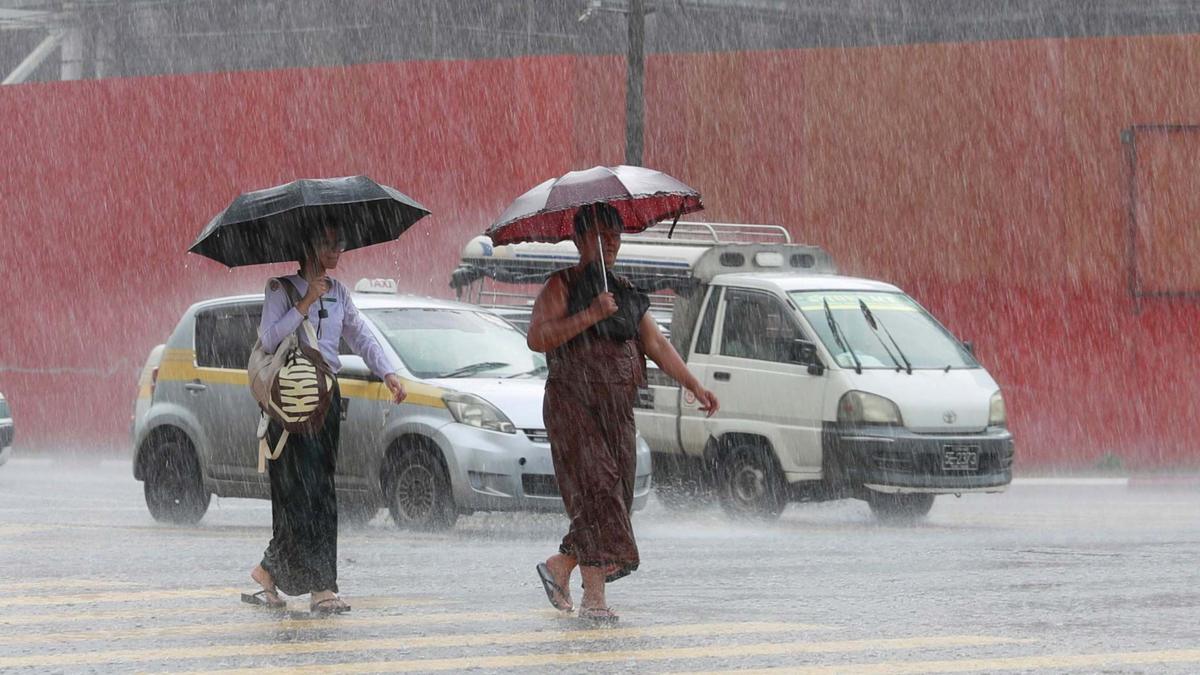
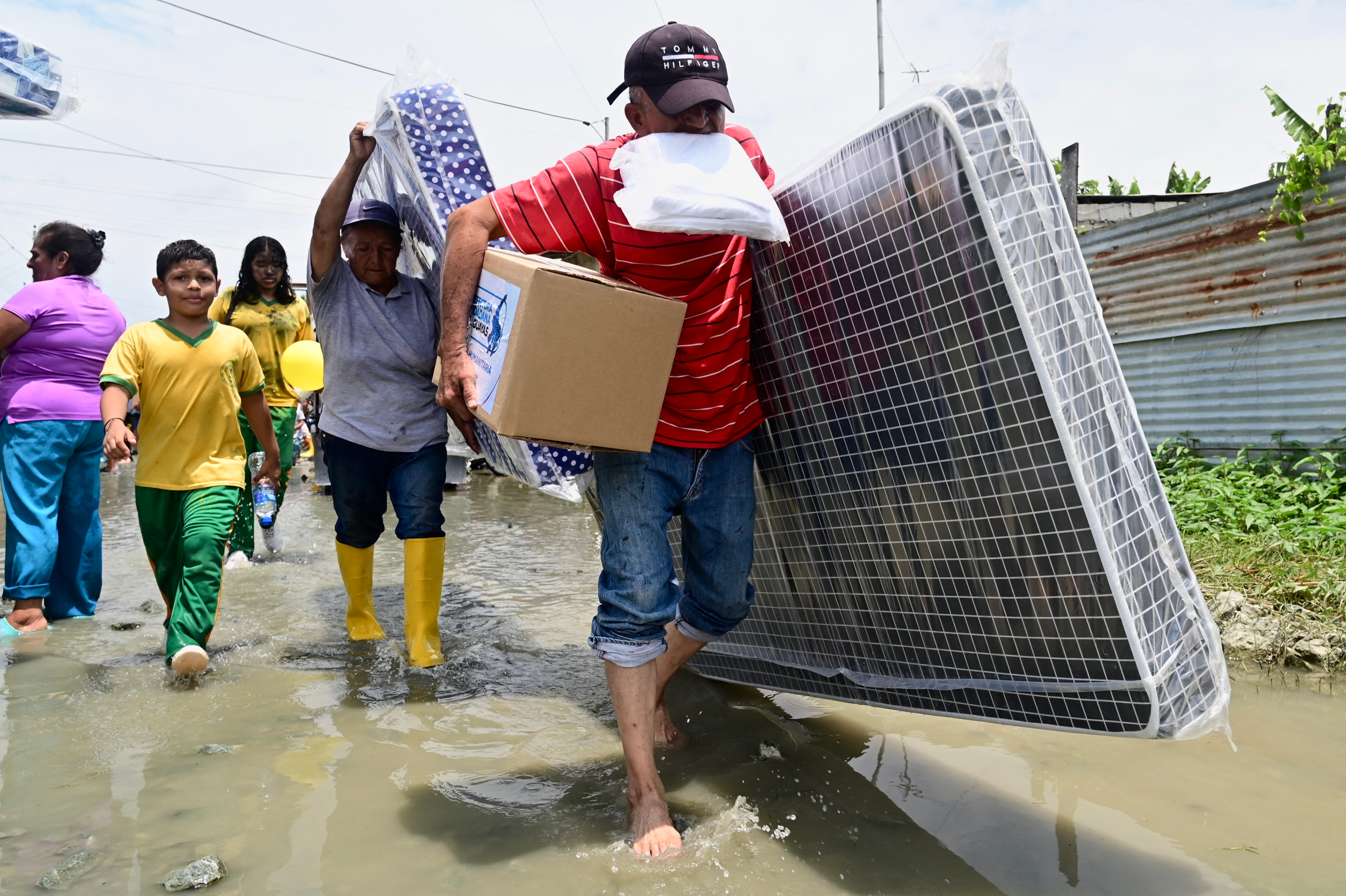
- WMO released a State of the Climate report covering 33 countries and 660 million people, identifying "hydrological whiplash" — lengthening droughts punctuated by rare, intense downpours that trigger floods and landslides without refilling reservoirs or replenishing soils.
- Mexico set a new national heat record of 126.9°F in Mexicali while simultaneously logging its rainiest June on record in some areas and 85% of the country in drought, leaving Mexico City's 22 million residents facing a potentially acute water shortage.
- Hurricane Melissa struck Jamaica in late October 2025 with sustained winds exceeding 190 mph, killing 45 people and causing roughly $8.8 billion in economic losses — about 41% of Jamaica's GDP — though early warnings likely prevented a far higher death toll.
- WMO estimated 13,000 annual heat-attributable deaths across 17 reporting countries, calling the figure a "significant underestimate" because many nations in the region do not routinely publish heat mortality data.
- Regional warming accelerated from 1991 to 2025 at about 0.5°F (0.3°C) per decade — the fastest rate since record-keeping began around 1900 — and even faster in Mexico, straining power grids and threatening cocoa, corn, coffee, and bean crops.
- Brazil is doubling its tracked municipalities from roughly 1,000 to 2,000 by year's end and expanding automated river gauges from about 1,000 to 5,000 sites, with CEMADEN director Regina Célia dos Santos Alvalá calling for more cross-border data sharing.
- Andes glacier loss threatens roughly 90 million people from Colombia through Chile and Argentina, where major cities and large farming and livestock regions could see water supplies "trickle to a stop" as glaciers disappear.
Why it matters: For 660 million people across Latin America and the Caribbean, climate extremes are now compounding in the same year rather than alternating: Hurricane Melissa alone wiped out 41% of Jamaica's GDP in hours, while chronic drought threatens water for Mexico City's 22 million residents and 90 million Andean inhabitants rely on glaciers that are on track to vanish. The WMO's 13,000-death heat toll is almost certainly a floor, not a ceiling, since most countries don't track heat mortality — meaning the human cost of warming across this region is being systematically undercounted.
Ask SkimNews