England Land Plan: Just 1% for Renewables by 2050 — SkimNews
SkimNews Take
By pegging renewables at just 1% of land, the framework reframes competing land uses as stackable rather than zero-sum — giving environmental groups a quantitative counter to local opposition that previously framed every solar farm as lost farmland.
Get the Energy newsletter
Daily energy & climate — solar, EVs, oil, the policy fights and tech bets shaping the transition. Free.
- The UK government published England's first land-use framework on 18 March 2026, a 56-page blueprint designed to end the 'fragmented approach' to decisions about food, energy, nature and housing, with updates every five years
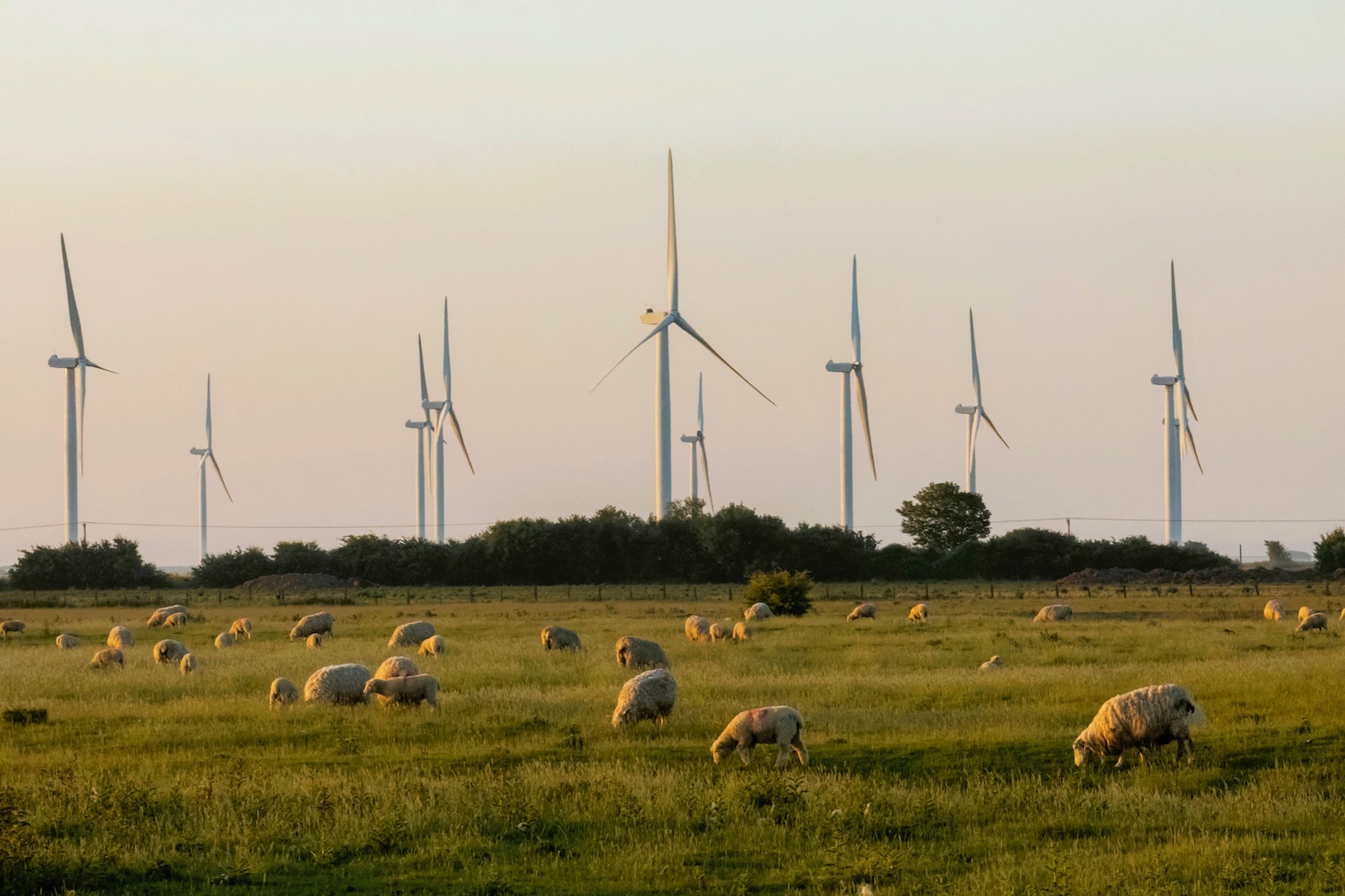
- The framework concludes that just 1% of England's land will need to host renewables like solar and onshore wind by 2050, though it cautions the figure could reach 'more than 2%' given uncertainty in projecting energy demand
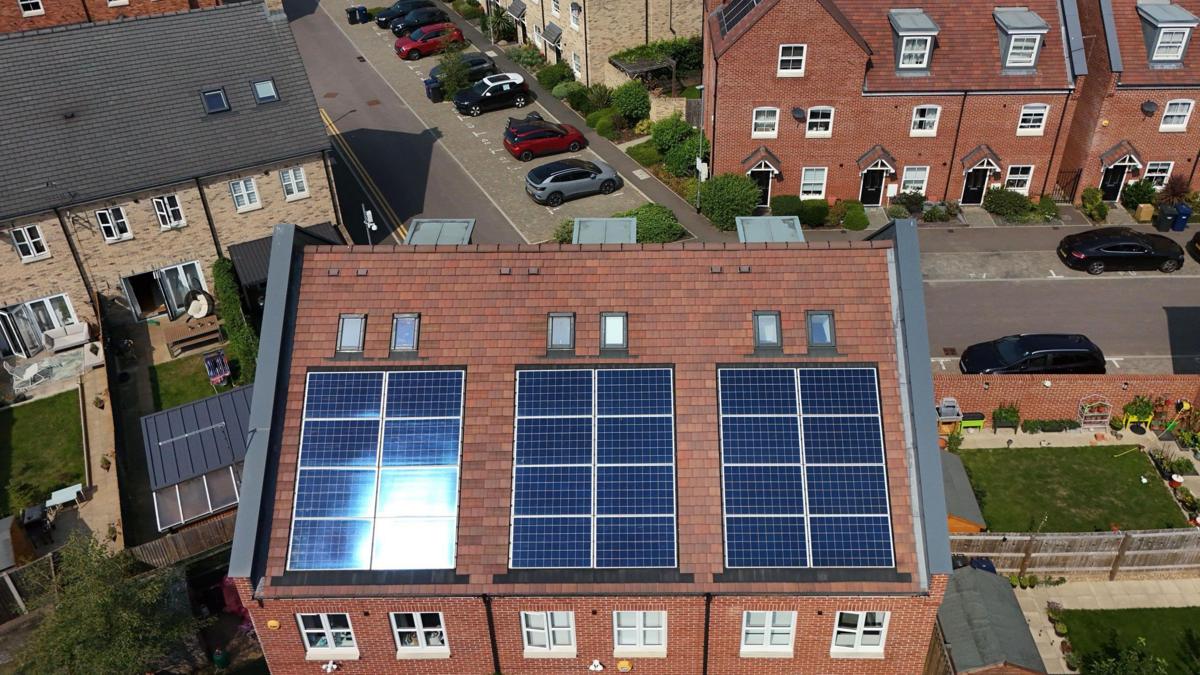
- By 2035, an additional 129,000 hectares of land in England is expected to be used for solar and wind, with much of it dual-purposed for food production — a six-fold increase from the roughly 21,000 hectares currently covered by solar panels
- Environment Secretary Emma Reynolds said the analysis shows there are no 'false choices' between 'solar panels versus farmland' or 'growth versus environment', arguing 'the problem has never been scarcity of land. It has been a shortage of clarity'
- 6% of England's land should be devoted to climate and nature goals by 2050, including peatland restoration in the north-west, temperate rainforest restoration in the south-west, and expanded tree-planting
- A Defra official told Carbon Brief the framework's projections for renewables and tree-planting are less ambitious than the Climate Change Committee's central net-zero pathway, though they align with the government's carbon budget delivery plan for 2035
- CPRE's Roger Mortlock called the framework a 'long-awaited opportunity for real change' but noted a separate CPRE report from the same week concluded it is 'unlikely to be the silver bullet many are hoping for', with local and national tradeoff processes decisive
Why it matters: Reynolds is using the framework to defuse a political fight over rural land use, but its projections fall short of the Climate Change Committee's net-zero pathway — meaning the 1% renewables figure is a floor, not a ceiling. Local communities will see the most material change: an additional 129,000 hectares devoted to solar and wind by 2035, much of it on or near farmland.
Ask SkimNews