Endometriosis: Three Women's Decade-Long Diagnosis Ordeal — SkimNews

Get the Health newsletter
Daily health & science — research, biotech, public health, the studies worth knowing. Free.
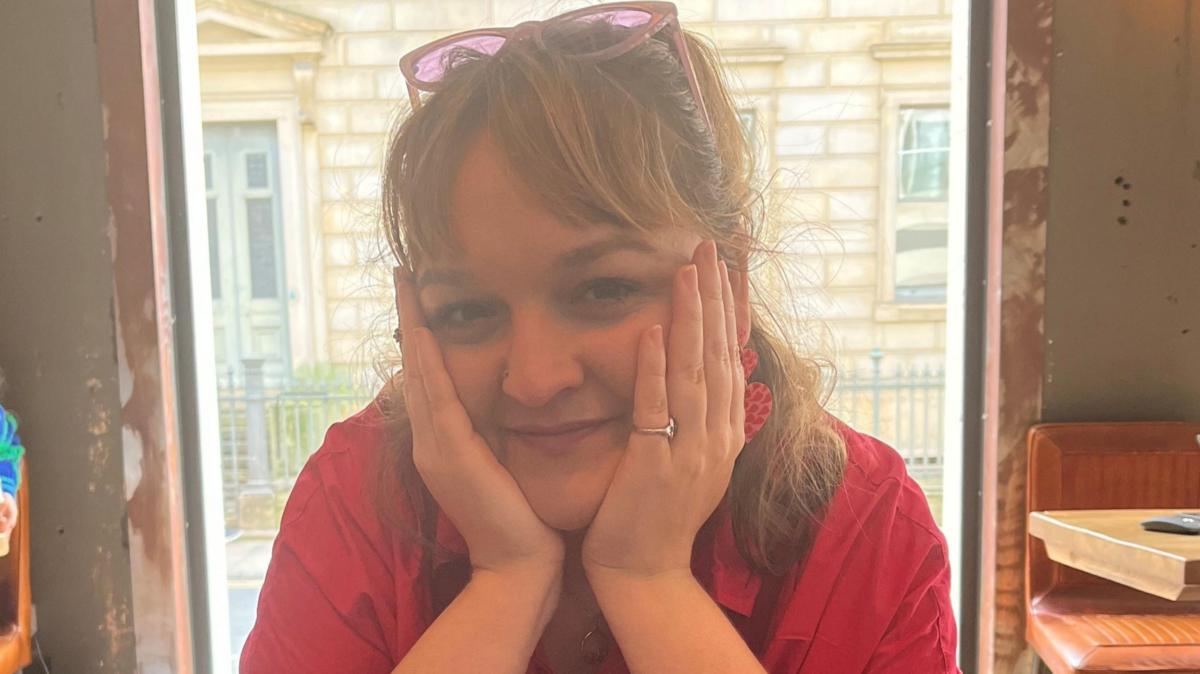
- Carla Cressy modelled from age 5 to 17, collapsing on shoots, and was only diagnosed at 25 after doctors mistakenly removed her appendix; she later founded The Endometriosis Foundation after developing "frozen pelvis" disease requiring bladder reconstruction and a total hysterectomy.
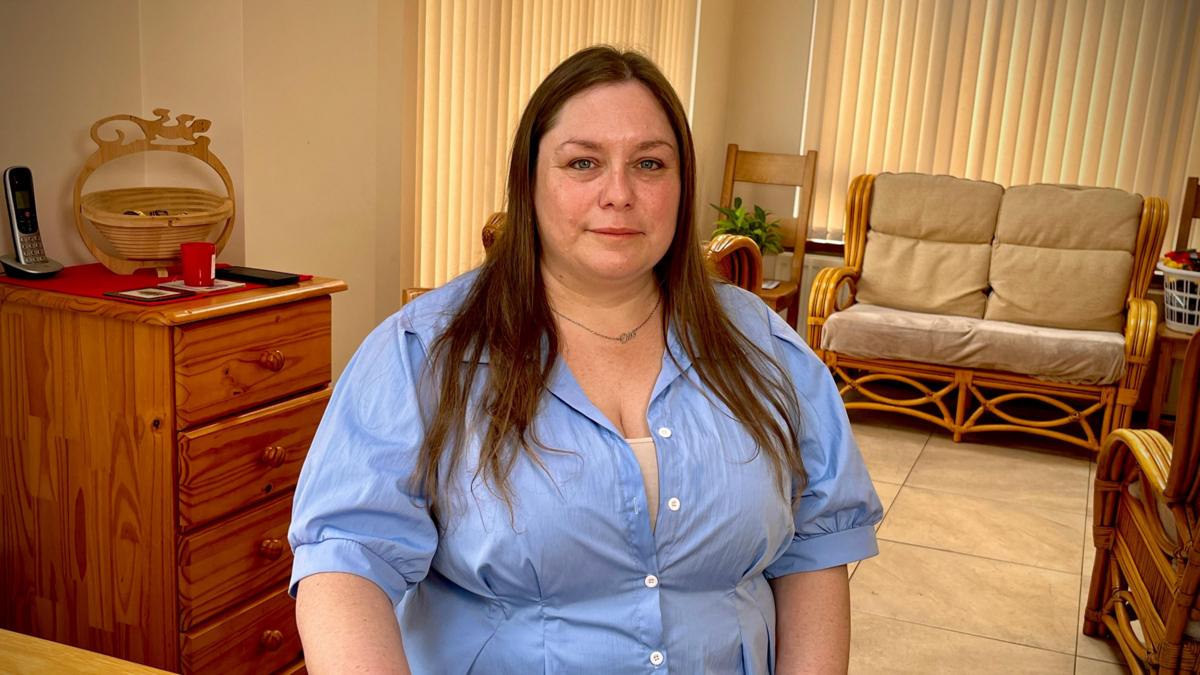
- Abi Smith, 27, was prescribed a gut health yoghurt by doctors at age 10 for pelvic pain, wasn't diagnosed until 21, and is currently on her third medically induced menopause to manage symptoms; she has been rejected three times for disability benefits.
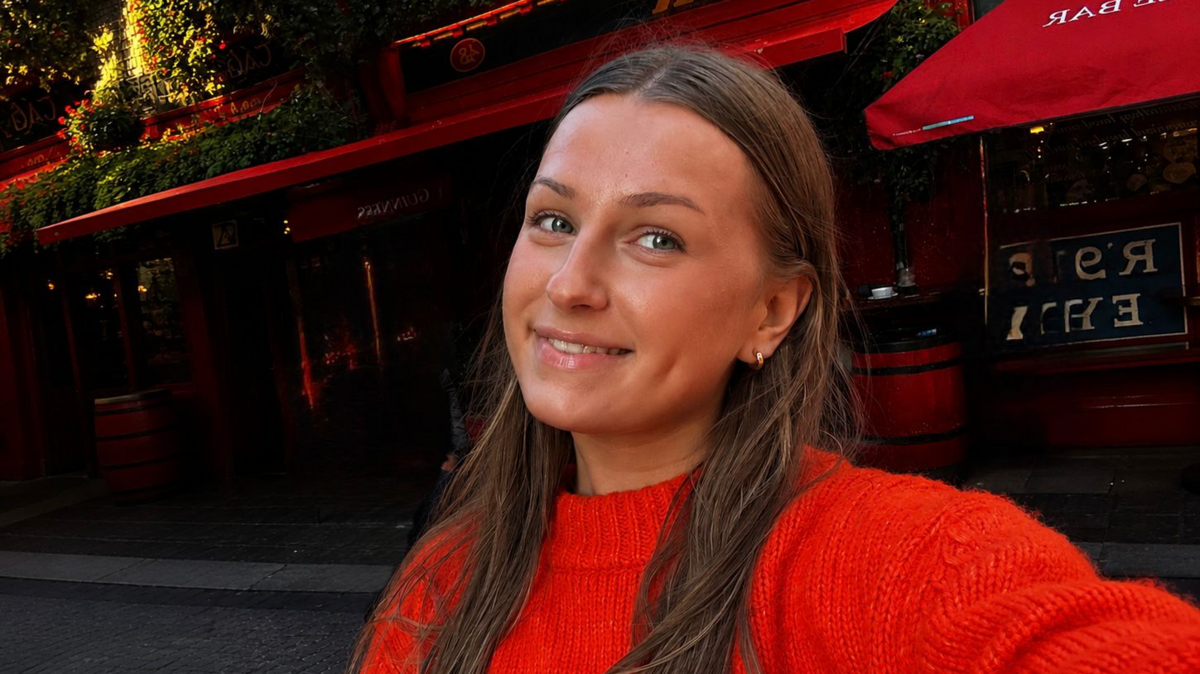
- Monica Thomas, 34, has endometriosis that spread to her lungs and is awaiting lung, bowel, and pelvic surgery; she founded the charity Women's Health Hope and is opening a women's health hub in Ipswich's Unity Centre next month.
- One in six women with endometriosis are estimated to leave the workplace, and there is currently no UK legislation protecting workers who need time off for menstrual health conditions.
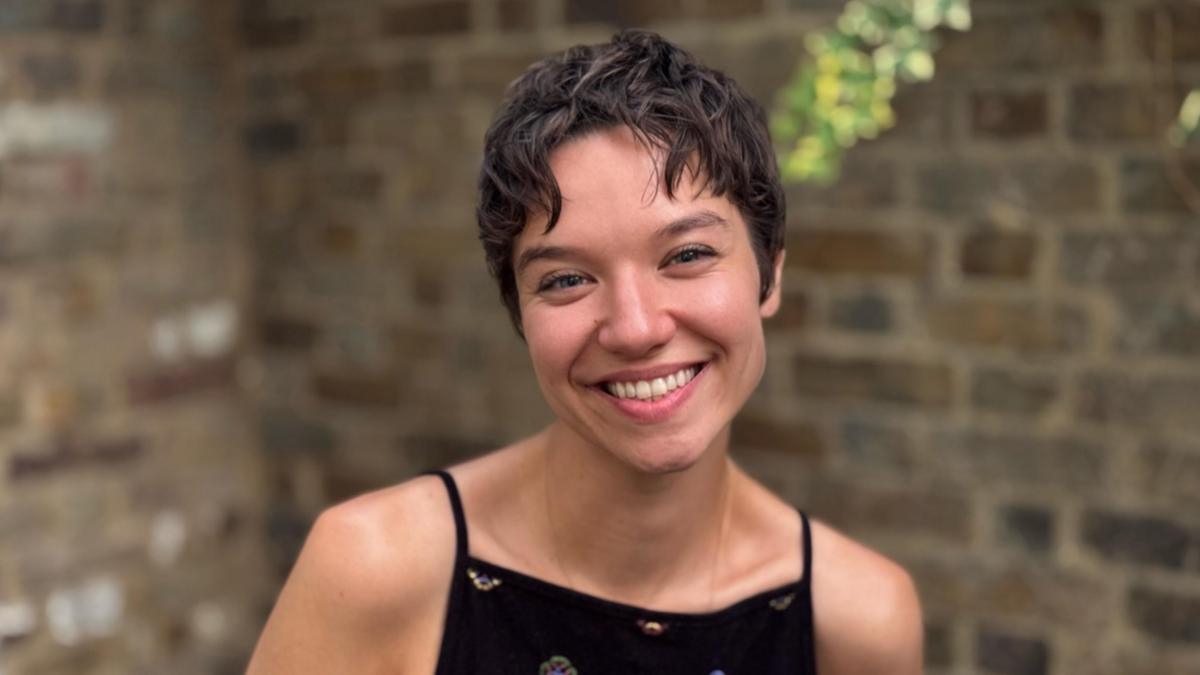
- Psychotherapist Dr Sula Windgassen is researching medical gaslighting, calling the pattern "medical misogyny and unconscious bias" and noting that dismissals worsen health outcomes through inflammation and cortisol changes.
- The women gave evidence to or voiced hope about an ongoing UK inquiry into how endometriosis affects women in the workplace; an NHS spokesperson said clinicians should follow NICE guidelines for diagnosis.
Why it matters: Three women with endometriosis described how decade-long diagnostic delays forced career changes and infertility, giving evidence to a UK inquiry into workplace impacts. With no legislation protecting workers needing menstrual health-related time off and an estimated one in six patients leaving work, the inquiry's findings could reshape employer obligations.
Ask SkimNews