Kevala: 17.5 GW CA solar+storage meets 32% of peak — SkimNews
Get the Energy newsletter
Daily energy & climate — solar, EVs, oil, the policy fights and tech bets shaping the transition. Free.
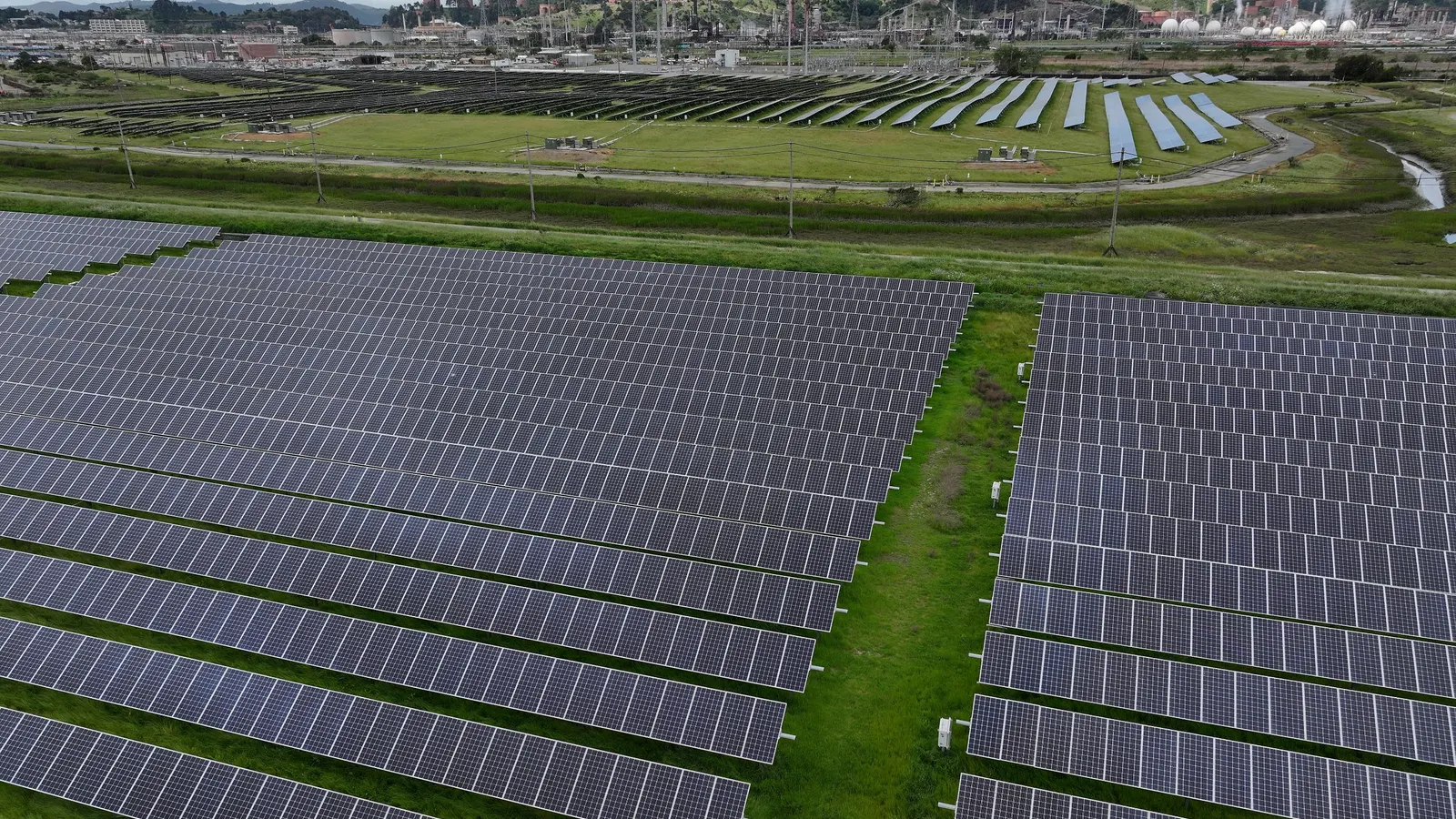
- Kevala study (commissioned by the Coalition for Community Solar Access) found front-of-meter solar and storage could serve approximately 17.5 GW of summer peak load on California IOU distribution substations—about 32% of demand from 4-9 PM, June through September.
- Southern California Edison could host 1,657 5-MW installations serving 9,188 MW, or 37% of the CEC's 2032 mid-case peak forecast; SDG&E's smaller system could meet 39% (1,788 MW) from just 326 installations.
- PG&E could support 1,129 5-MW installations serving 6,560 MW (26% of its 2032 peak); spokesperson Paul Doherty pointed to PG&E's SAVE virtual power plant and a Google-funded SHARE VPP as aligned initiatives.
- PG&E deferred $2 billion in planned 2026 spending after the California legislature missed a deadline on a wildfire liability cost-sharing bill, adding pressure to a five-year capital plan exceeding $110 billion across PG&E and SCE.
- The California legislature has passed a bill requiring the CPUC to build a community solar-and-storage program paying assets at avoided cost; the bill now awaits outgoing Gov. Gavin Newsom's signature.
- A separate Aurora Energy Research analysis found 5.4 GW of community-scale solar and storage could reduce California power system costs by 0.6%—roughly $6.5 billion—over 20 years.
Why it matters: PG&E and SCE are planning more than $110 billion in capital spending while PG&E just deferred $2 billion after the legislature missed a wildfire liability deadline. Kevala's findings give California's IOUs a quantified alternative: 17.5 GW of distribution-connected solar and storage offsets 32% of peak demand without major transmission upgrades, and the pending CPUC bill would force those resources to be recognized in state planning.
Ask SkimNews