Xpeng VLA 2.0 Matches Tesla FSD in Beijing Test Drive — SkimNews
Get the Energy newsletter
Daily energy & climate — solar, EVs, oil, the policy fights and tech bets shaping the transition. Free.
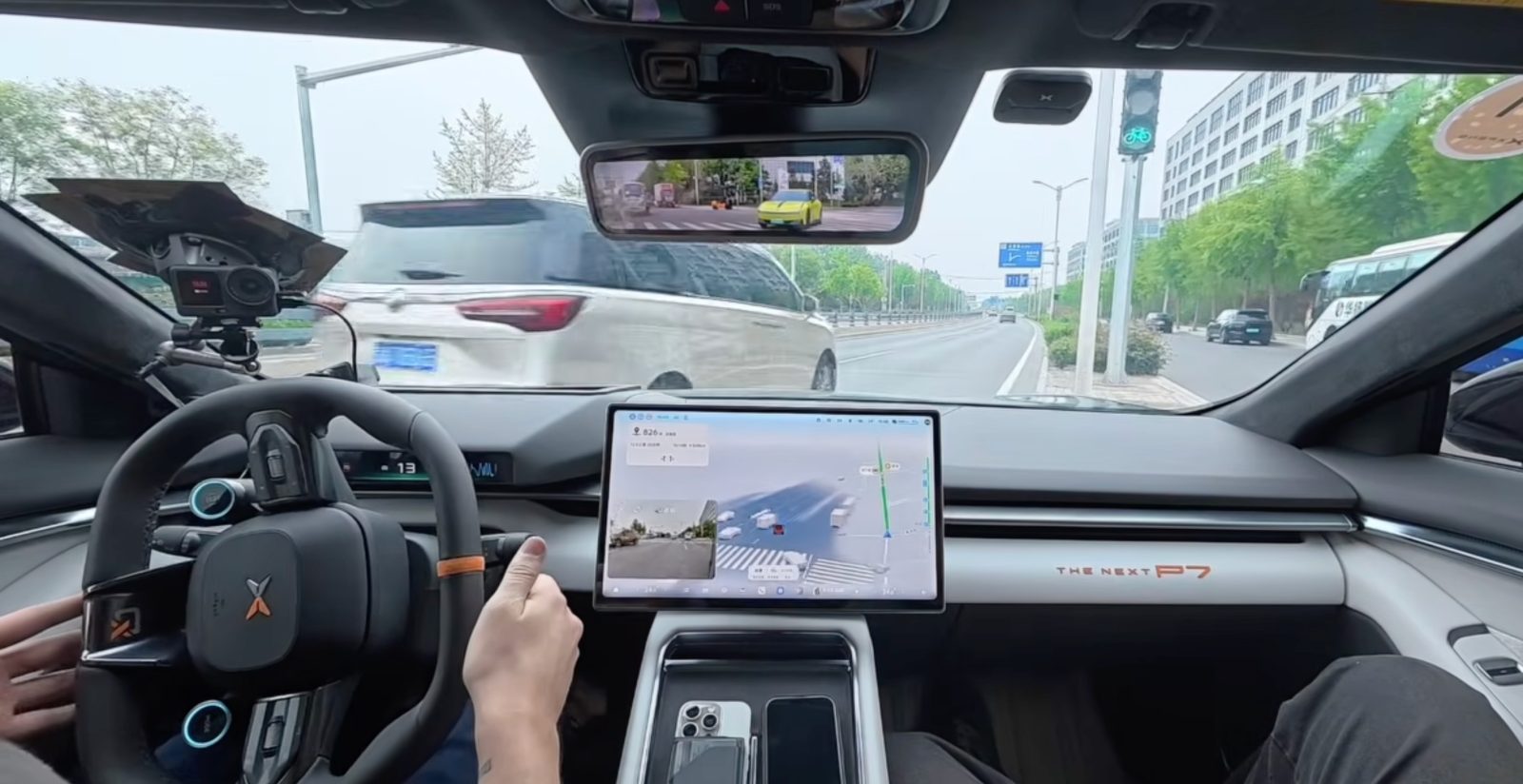
- Xpeng's VLA 2.0 navigated 40 minutes of Beijing traffic without a single human takeover, including committing to a tight merge gap in heavy traffic the way an experienced local driver would
- The system runs on Xpeng's proprietary Turing AI chip at up to 2,250 TOPS, using an end-to-end vision-to-action architecture trained on 100 million clips of extreme driving scenarios and delivering 23% better efficiency with 99% fewer hard braking events
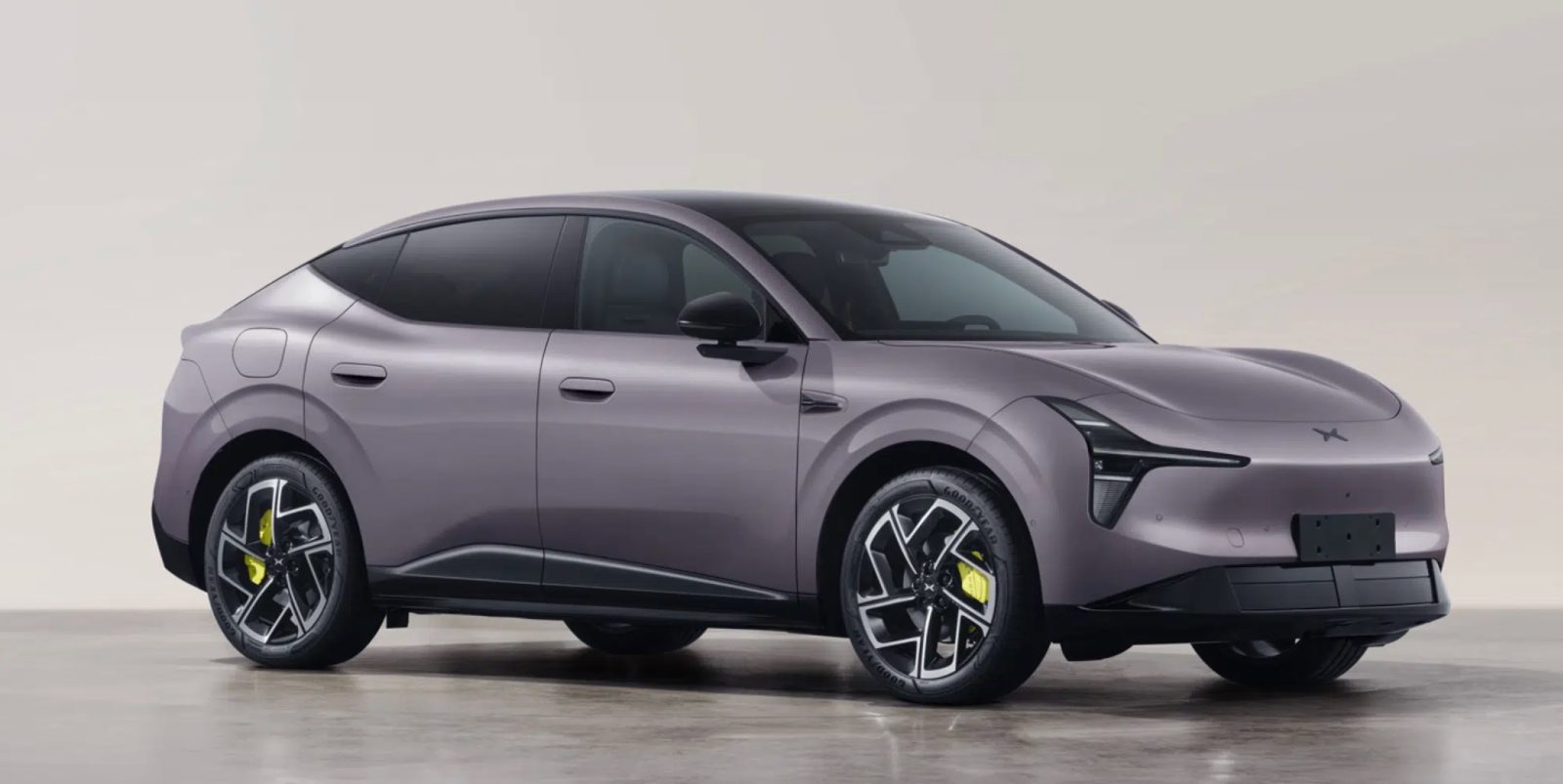
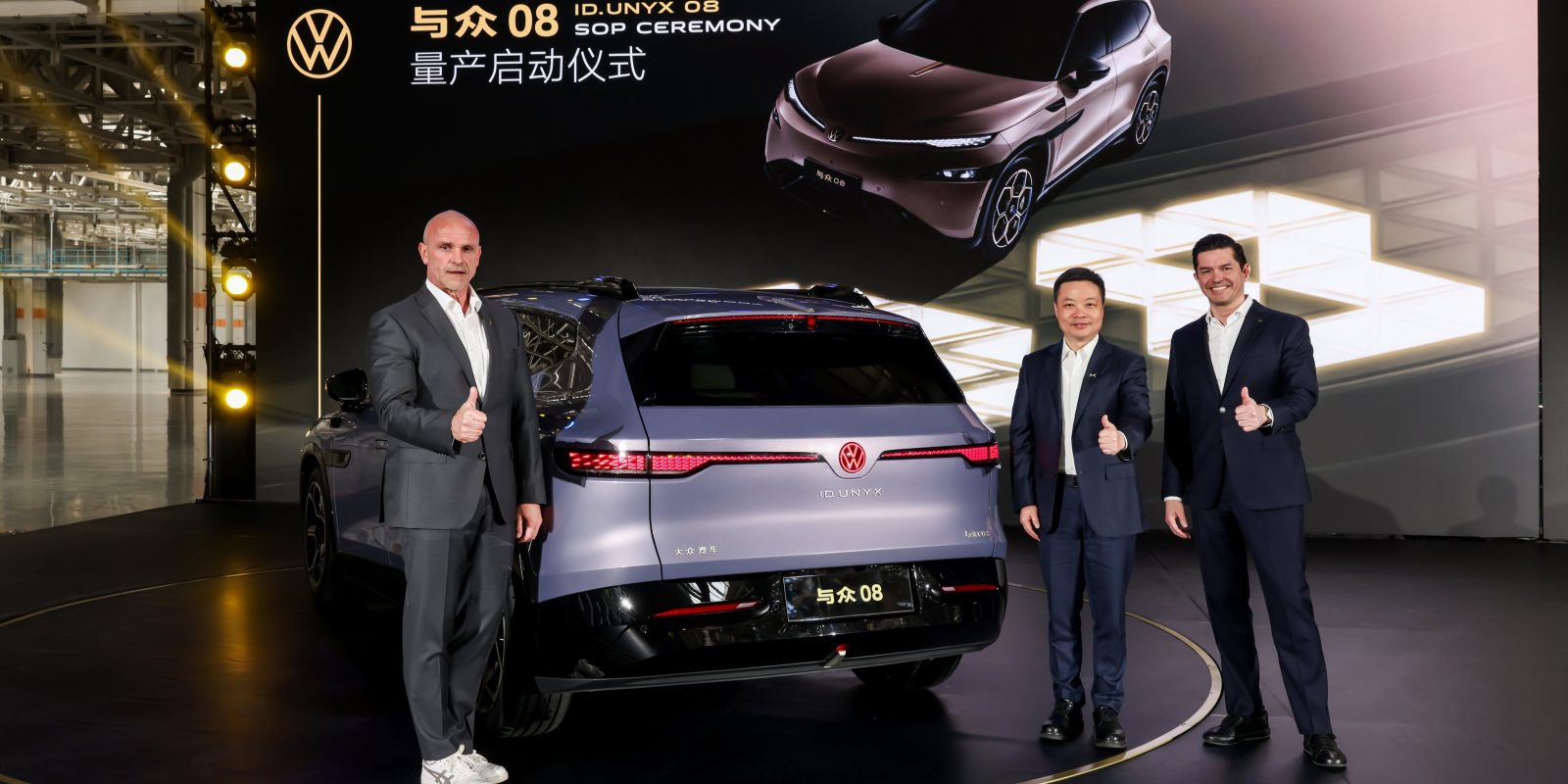
- Volkswagen signed on as the first external VLA 2.0 customer, deploying it in a new China-market electric SUV
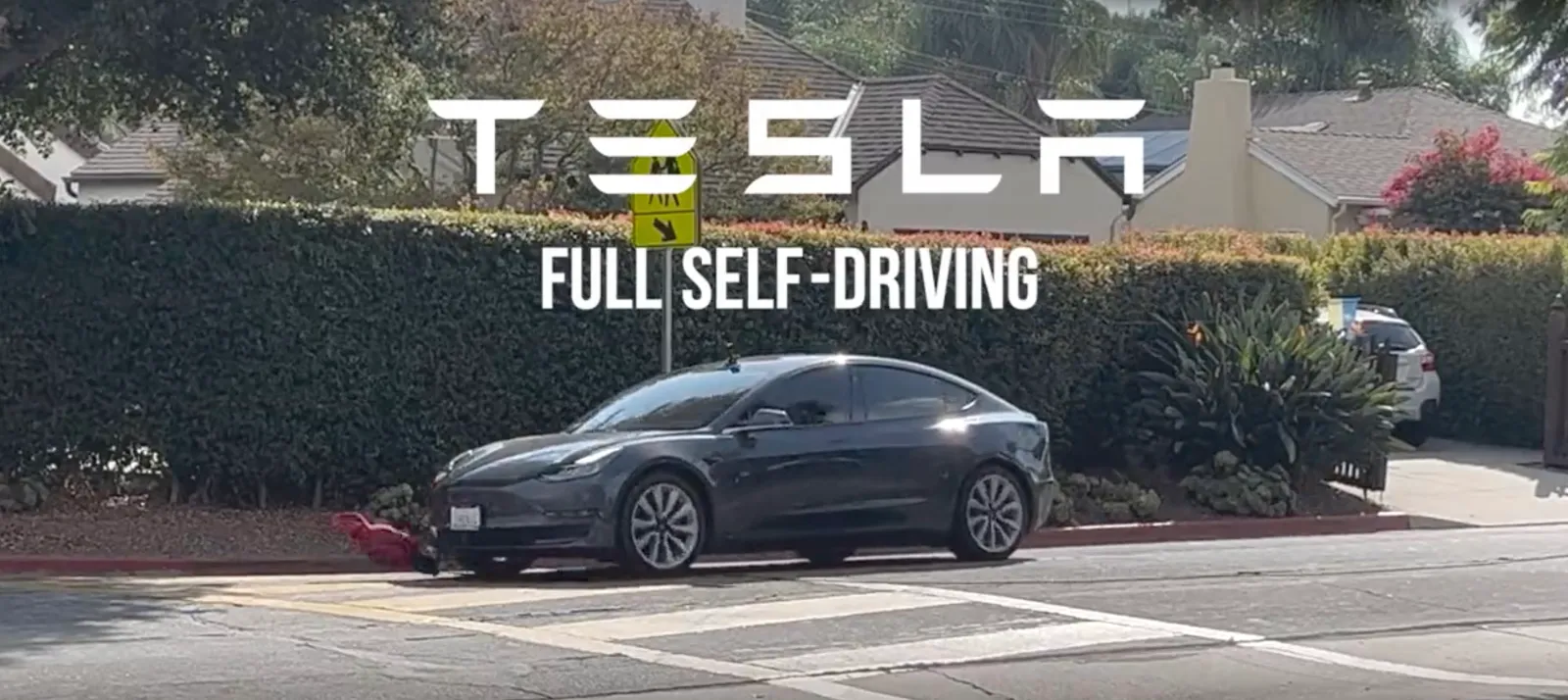
- He Xiaopeng test-drove Tesla FSD v14.2 for five hours in San Francisco, called it "near-Level 4," and set an August 30, 2026 internal deadline for Xpeng to match it in China — with a bet against autonomous driving head Liu Xianming
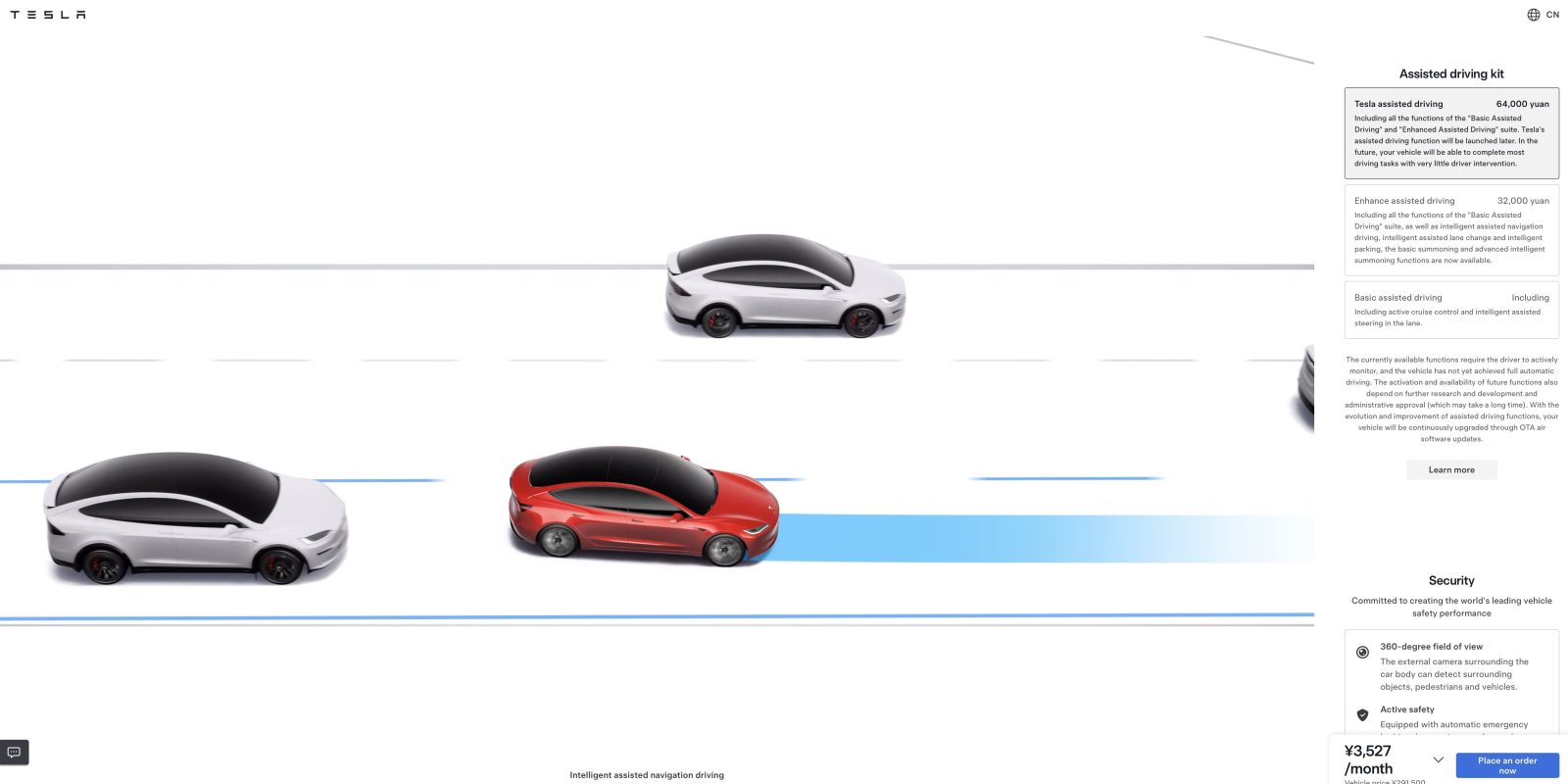
- Tesla's FSD v14 remains unapproved in China, leaving Chinese owners on v13, while Xpeng bundles VLA 2.0 into the car versus Tesla's $99/month FSD subscription in the US
- BYD, Huawei, and Xiaomi are all closing the gap: BYD's "God's Eye" comes standard on ~$30,000 vehicles, Huawei is spending $11–13 billion on autonomous driving over five years, and Xiaomi pushes smart driving in its SU7 lineup
Why it matters: Tesla's FSD moat in China is shrinking on three fronts simultaneously: Xpeng matching FSD v14 in Beijing traffic, Volkswagen signing on as an external VLA 2.0 customer, and BYD, Huawei, and Xiaomi all pushing comparable systems in the world's largest EV market — all while Tesla's latest FSD remains unapproved there, making the $99/month subscription increasingly hard to defend.
Ask SkimNews