PCE in blood triples liver fibrosis risk: USC study — SkimNews
Get the Health newsletter
Daily health & science — research, biotech, public health, the studies worth knowing. Free.
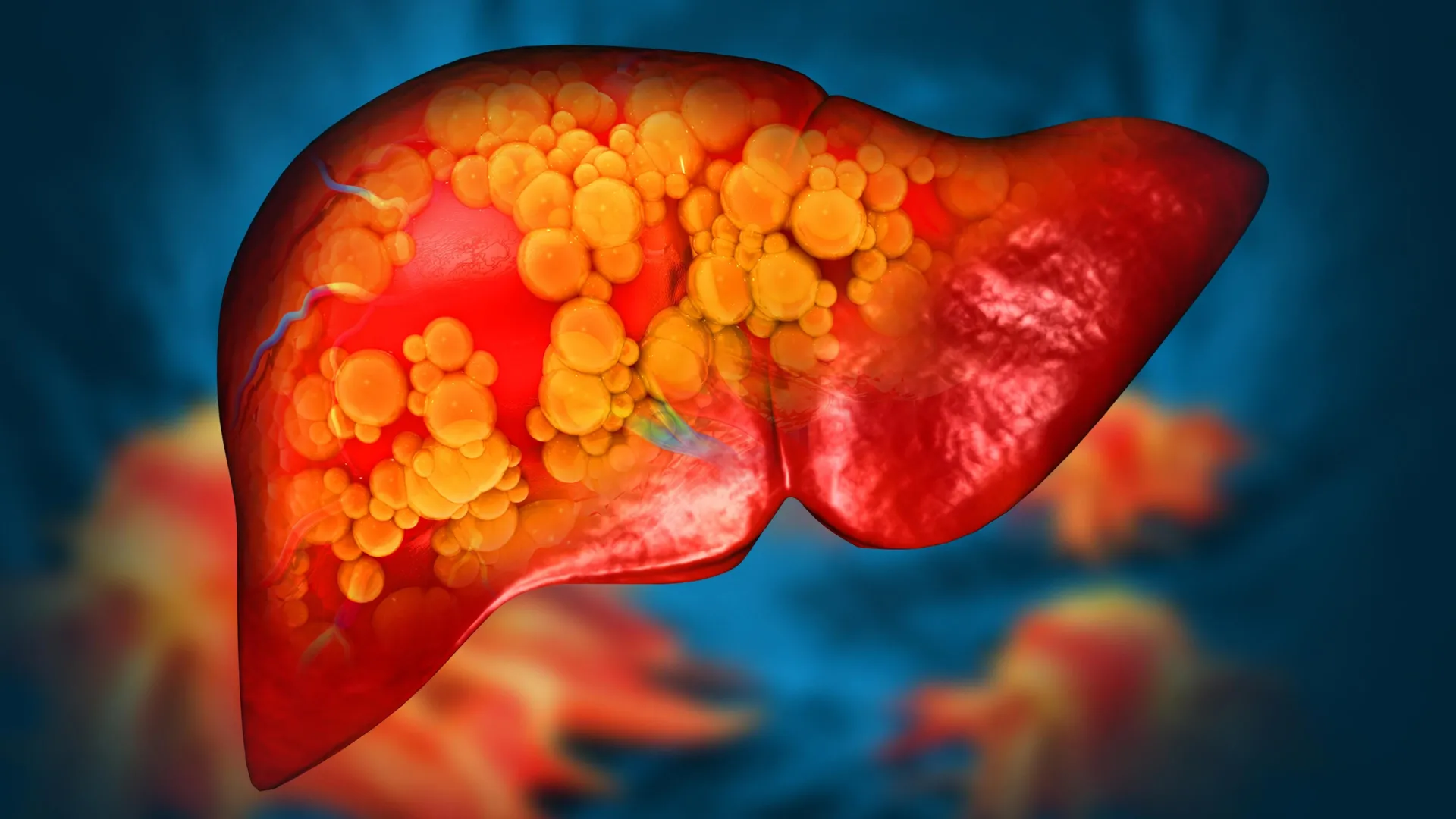
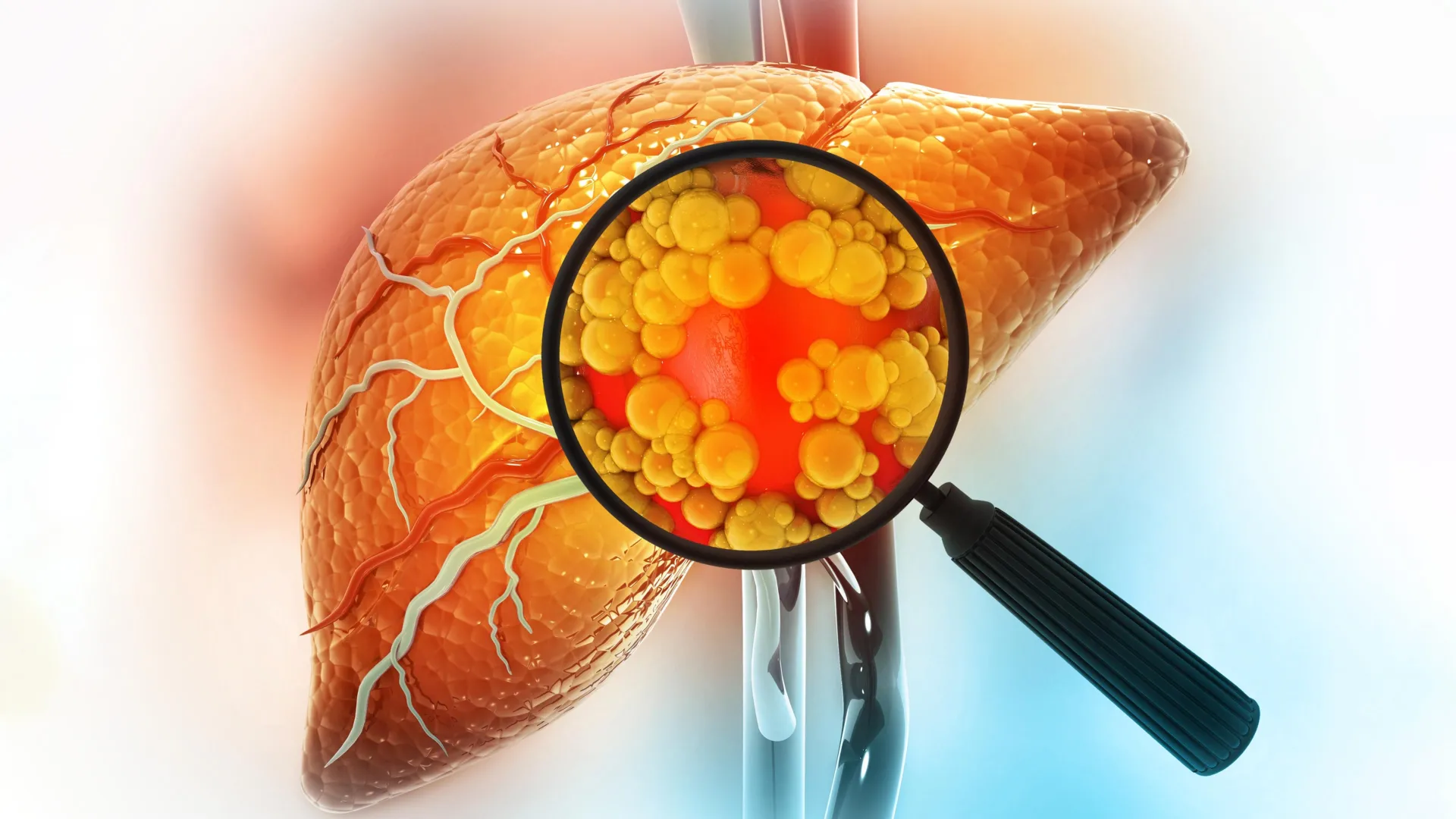
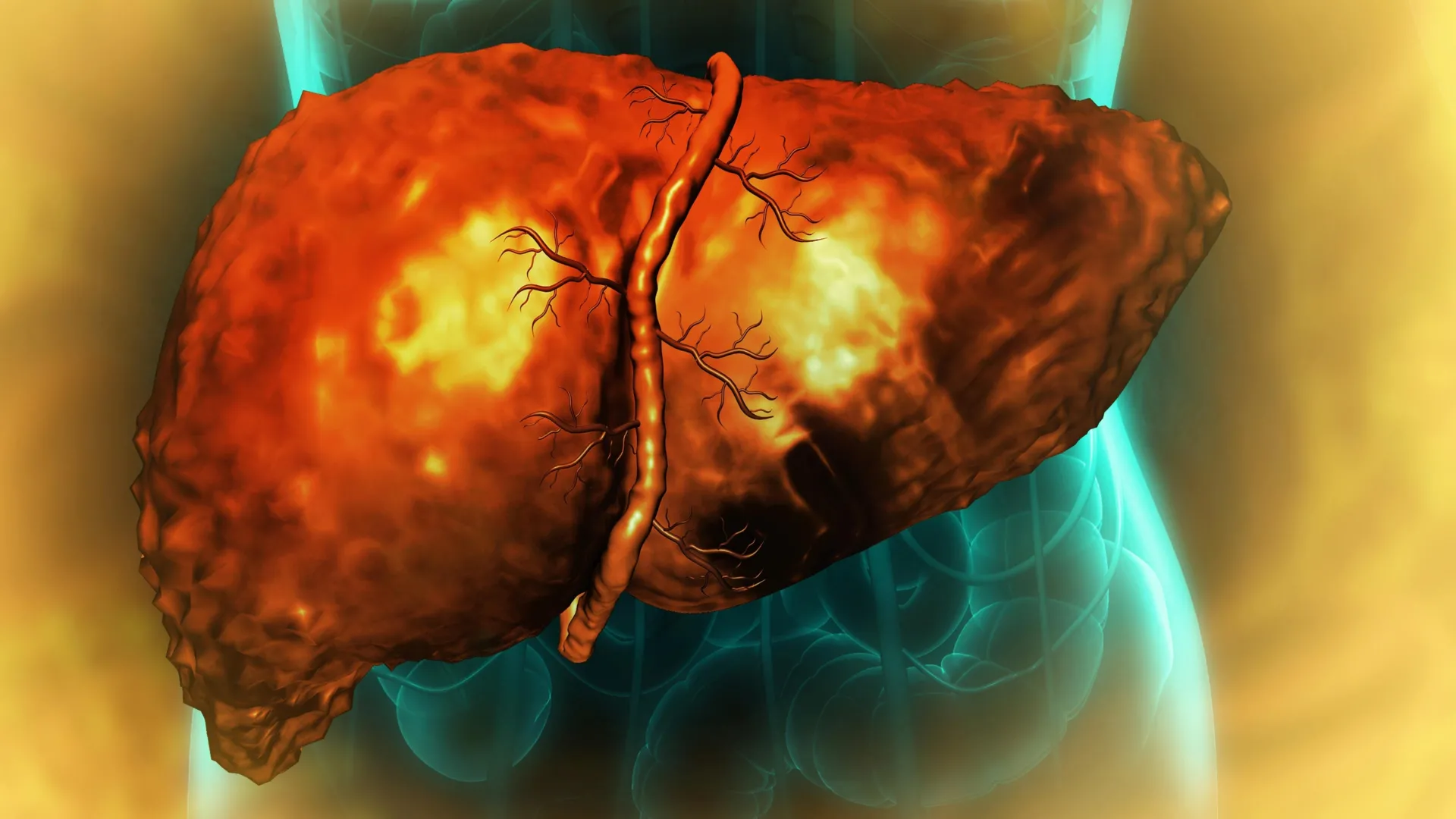
- Keck Medicine of USC researchers found that people with detectable PCE in their blood were three times more likely to have significant liver fibrosis, according to data from 7% of NHANES participants (2017–2020) who had measurable exposure.
- Brian P. Lee, hepatologist and lead author, said the study is the first to link PCE blood levels to significant liver fibrosis in humans, noting the association held after adjusting for age, sex, race, ethnicity, education, alcohol use, and metabolic conditions.
- Liver fibrosis odds rose five-fold for every one nanogram per milliliter increase in PCE blood concentration, revealing a steep exposure-response relationship rather than a simple threshold effect.
- Tetrachloroethylene (PCE) exposure sources include dry-cleaned clothing (which off-gasses the chemical), contaminated groundwater, and consumer products such as adhesives, spot removers, and stainless steel polish.
- Higher-income individuals were more likely to show PCE exposure, likely because they use dry cleaning services more often — a counterintuitive twist on the usual socioeconomic pattern for environmental health risks.
- Traditional liver risk factors like alcohol use and fatty liver disease did not explain significant fibrosis in people with PCE in their blood, suggesting environmental toxins may account for some otherwise unexplained liver disease.
- The EPA has begun a 10-year phaseout of PCE in dry cleaning and restricted some other uses, but exposure persists in groundwater and in countries without comparable regulations.
Why it matters: Roughly 7% of US adults carry detectable PCE in their blood, and the study showed fibrosis risk climbed five-fold per nanogram increase — meaning even low-level chronic exposure from dry-cleaned clothes or contaminated tap water may be silently scarring livers in patients who don't drink heavily or carry typical metabolic risk factors. Dry cleaning customers and dry-cleaning workers face the steepest exposure, and the EPA's 10-year phaseout won't end groundwater contamination already in place.
Ask SkimNews