A little-known protein may be fueling Alzheimer’s — and scientists found a way to block it — SkimNews

Get the Health newsletter
Daily health & science — research, biotech, public health, the studies worth knowing. Free.
- Ursula Quitterer and her team at ETH Zurich developed Compound 10, which blocked inactive GRK2 molecules from clumping onto mitochondria in mouse brains, slowing nerve cell death and extending the animals' lifespan.
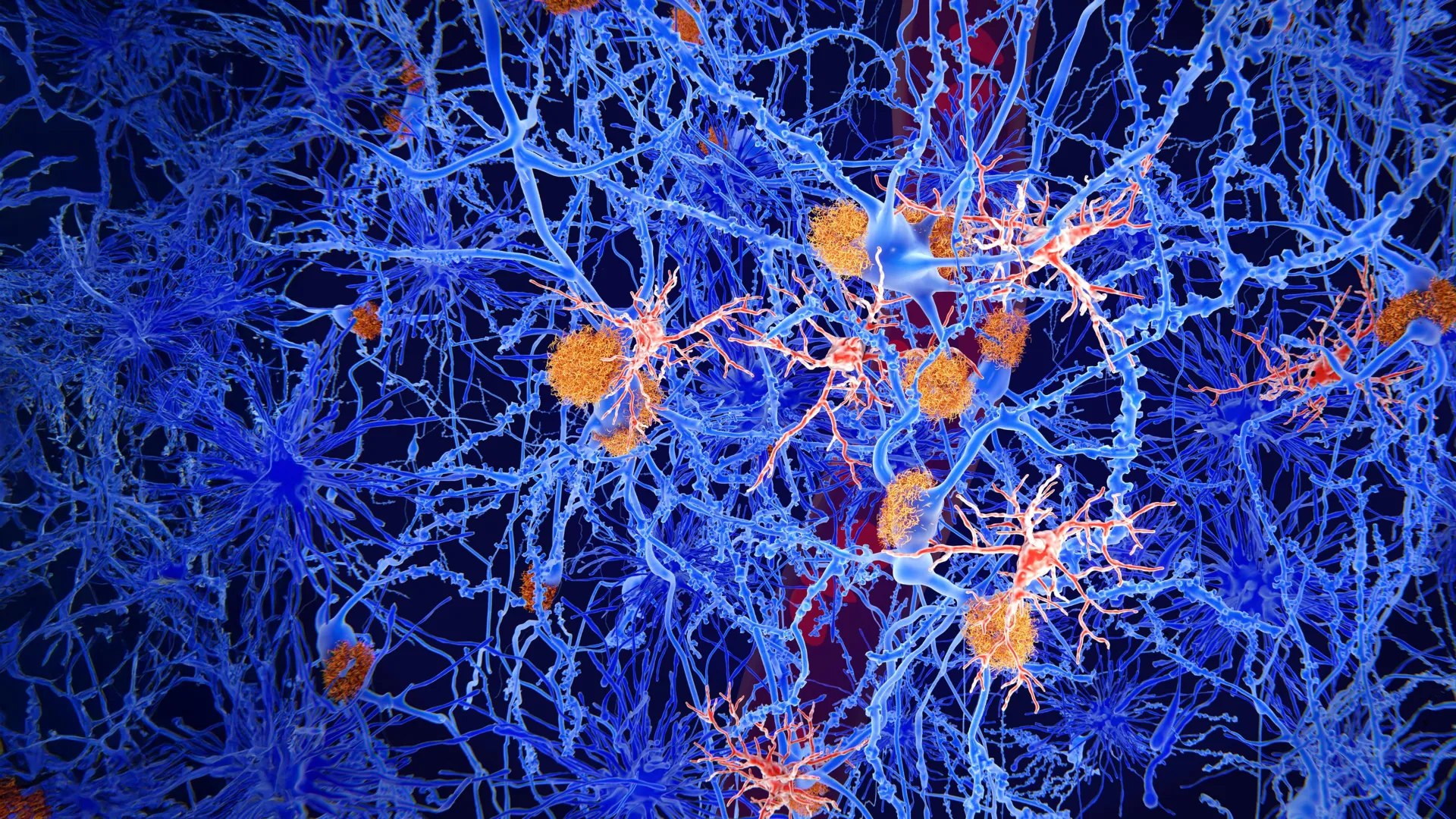
- Inactive GRK2 clogs mitochondrial pores, starving brain cells of energy and spurring amyloid beta production — a self-reinforcing cycle the researchers observed in both mouse models and human tissue from dementia patients at Cairo's Ain Shams University Hospital.
- Compound 10 also improved heart function and reduced grey hair in older mice, effects Quitterer said suggest the drug's mechanism reaches well beyond Alzheimer's disease alone.
- The findings, published in Cell Reports Medicine, identify GRK2 as an entirely new drug target operating through a different biological pathway than existing Alzheimer's medications, which the researchers believe could allow it to complement rather than replace current treatments.
- The research stretches nearly 20 years from initial tissue collection to publication, with each mouse experiment requiring 1.5 to 2 years because Alzheimer's only manifests in aged animals — a pace Quitterer says is far slower than cancer research.
- ETH Zurich has filed a patent on Compound 10 and is actively seeking an industry partner to advance the still-preclinical compound toward human trials.
Why it matters: Existing Alzheimer's drugs at best delay symptoms by several months; Compound 10 hits a new pathway — GRK2 aggregation on mitochondria — and could complement current treatments rather than compete with them. Each mouse study takes 1.5 to 2 years because the disease only manifests in aged animals, meaning human trials remain years away even if a development partner is found.
Ask SkimNews