Tau Disrupts Mitochondria via Reverse Electron Flow — SkimNews

Get the Health newsletter
Daily health & science — research, biotech, public health, the studies worth knowing. Free.
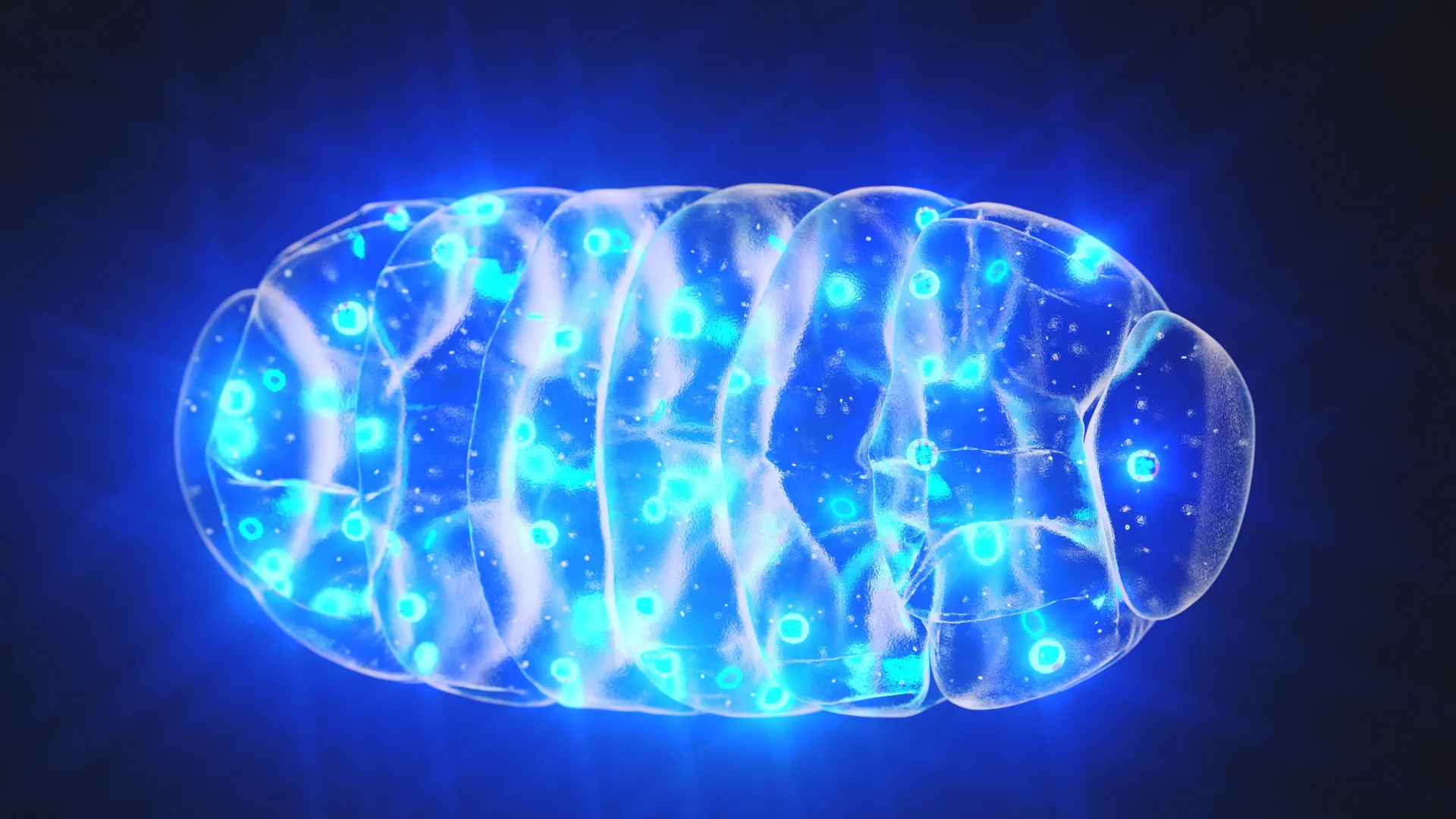
- Stanford scientists found that tau disrupts mitochondria by causing electrons to flow in the opposite direction of their normal microscopic relay, a reversal known as reverse electron transport.
- The reversed electron flow generates reactive oxygen species, cellular stress, and inflammation, and blocking that phenomenon reversed many harmful effects and improved learning and memory in flies and mice.
- An analysis of human cells grown in the lab and patient brain tissue suggests that blocking the retrograde flow of electrons could make neurons healthier — though it remains unclear whether the same will hold true in people.
- Two of the study's authors have started a biotech startup to test the therapeutic idea.
- The findings add a previously unknown role for tau, already a top target in Alzheimer's drug development, describing a specific mechanistic pathway — reverse electron transport — that future drugs could aim to block.
Why it matters: Two study authors have already launched a biotech startup to pursue reverse electron transport as a drug target, signaling early commercial interest in this pathway. Tau is already a top focus of Alzheimer's drug development, but previous tau-targeting drugs have struggled, so this study offers a mechanistically distinct angle — one still backed only by flies, mice, and lab-grown human cells.
Ask SkimNews