Should we use GLP-1 drugs to treat obesity in children? — SkimNews

Get the Health newsletter
Daily health & science — research, biotech, public health, the studies worth knowing. Free.
- Babak Orandi at NYU found that 9.3% of US children aged 8 to 11 with obesity but without diabetes were prescribed GLP-1 drugs, up from 0.03% in 2019.
- Novo Nordisk reported that 40% of children aged 6 to 12 with severe obesity who received weekly Wegovy injections during a 68-week clinical trial were no longer classified as obese.
- The American Academy of Pediatrics permits off-label GLP-1 prescriptions to children as young as 8 in the US, though the drugs are only approved for ages 12 and older in the UK, US, and Australia.
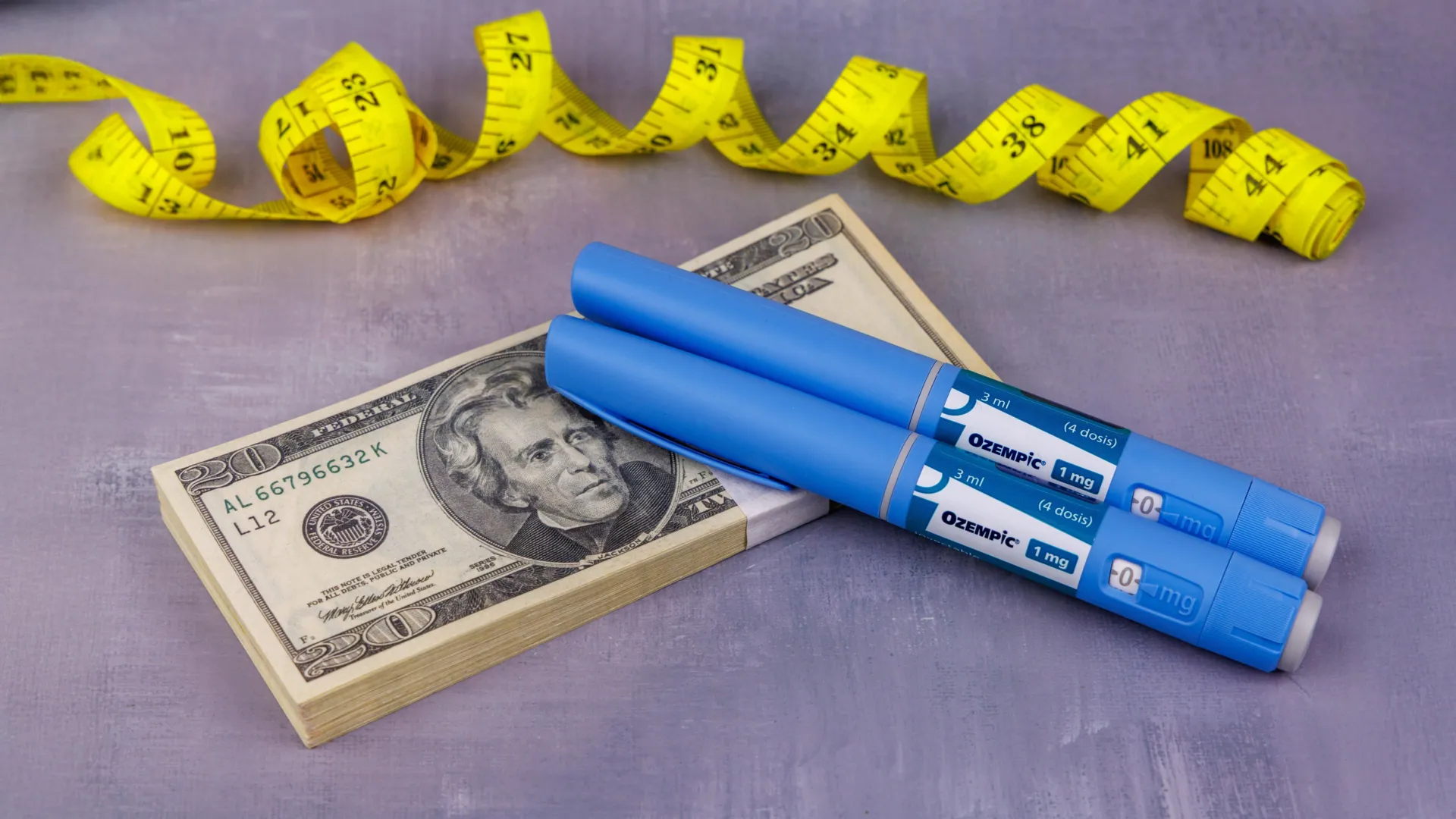
- Off-label prescriptions skew toward children from wealthier families — treatment runs hundreds of dollars monthly — and toward those with complications like pre-diabetes, sleep apnoea, high blood pressure, or high cholesterol.
- Danielle Longmore at the Murdoch Children's Research Institute warned of unknown long-term effects including nutrient deficiencies, stalled growth, delayed puberty, and potential impacts on bones, pregnancy, and menopause.
- Both Orandi and Longmore noted that children typically regain weight after stopping GLP-1 drugs, raising the prospect of lifelong use, and stressed that medication must be paired with dieticians, psychologists, and exercise physiologists.
Why it matters: Treatment costs hundreds of dollars per month, so wealthier US families are already more likely to secure off-label GLP-1 access for children as young as 8 — creating an equity divide in pediatric obesity care. With severe obesity before age 4 estimated to cut life expectancy by up to 42 years, the pressure to prescribe is mounting even as the developmental consequences for growing bodies remain unstudied.
Ask SkimNews