Volunteer firefighters battle Indonesia's 'carbon bomb' peat fires — SkimNews

Get the Energy newsletter
Daily energy & climate — solar, EVs, oil, the policy fights and tech bets shaping the transition. Free.
- Volunteer firefighters including indigenous Dayak and Banjar people have used hand tools, carts, and portable pumps against peat fires across Indonesian Borneo that have carbonised some 200,000 hectares since early July.
- Indonesia's peatlands, spanning 4.5 million hectares, can hold more than 6,000 tonnes of carbon per hectare at depths exceeding 20 metres, earning them the moniker "carbon bomb" when they burn, according to YKAN researcher Dr Nisa Novita.
- Two volunteers in Central Kalimantan have died after their health deteriorated while fighting the fires, the report says.
- Indonesia's Health Ministry recorded more than 50,000 respiratory infection cases linked to the fires between July and August, including over 12,000 children under five.
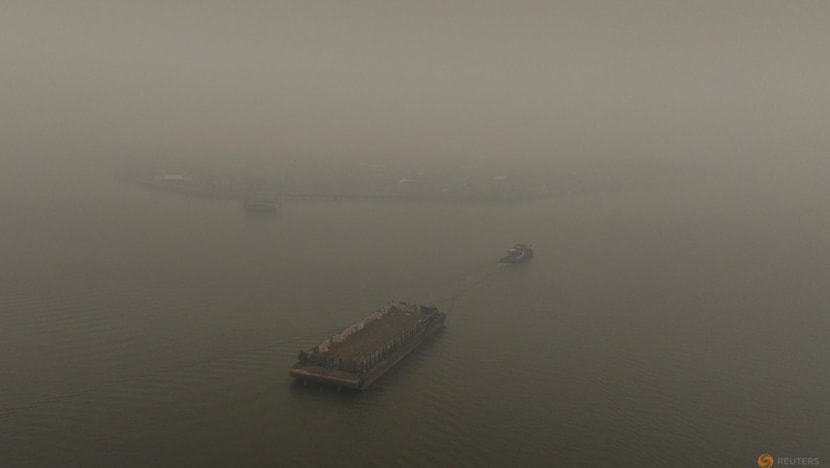
- Air pollution indices across Indonesia, Brunei, Malaysia, Singapore and the Philippines reached nearly 75 times the WHO's recommended level, with haze spilling across international borders.
- The crisis is rooted in decades of land-use change dating to the Suharto era; Kalimantan lost almost 160,000 hectares of forest in 2025, much to plantations that drained peatlands and increased fire risk.
- Dayak communities say they are scapegoated for igniting the blazes, while traditional "uma bukit" hill farming is rooted in maintaining balance with nature, according to community representative Tono.
Why it matters: Two volunteer deaths and over 50,000 respiratory cases already attest to the human cost, while peatland researcher Susan Page notes that drained peatlands emit CO2 continuously even without fires — meaning Indonesia's carbon debt runs far deeper than the current smoke crisis suggests, with industrial plantation drainage, not indigenous land clearing, as the priming accelerant.
Ask SkimNews