Cranberry bogs revived with solar panels overhead — SkimNews
Get the Energy newsletter
Daily energy & climate — solar, EVs, oil, the policy fights and tech bets shaping the transition. Free.
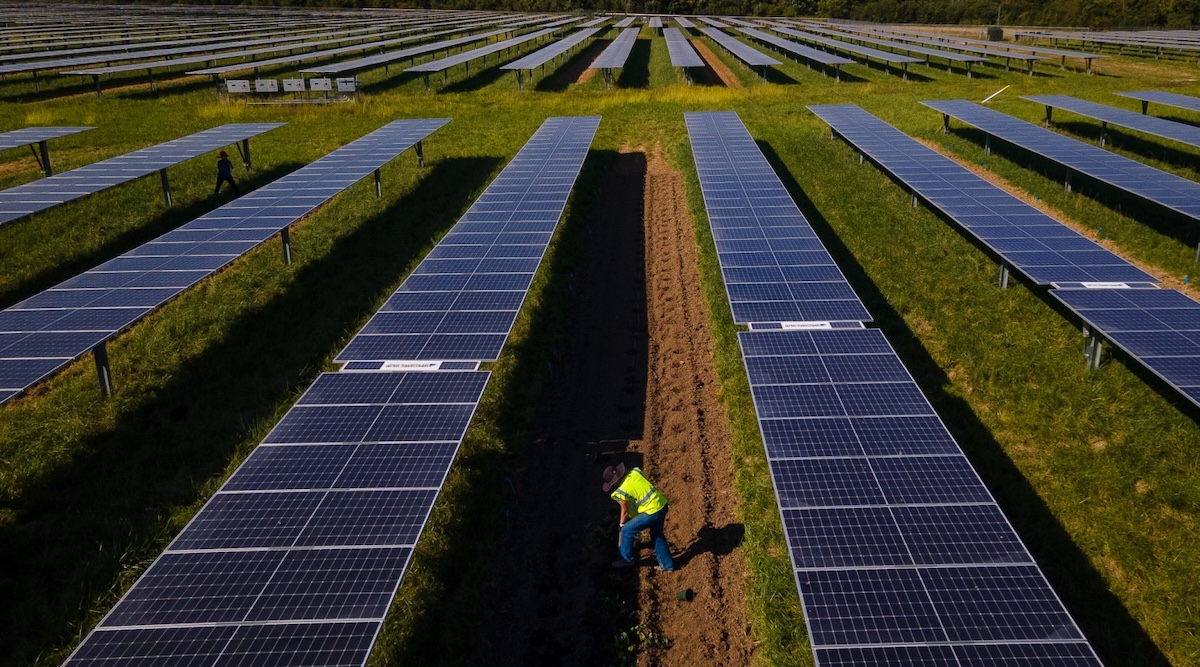
- Black Cat and Ring Road projects in Plymouth and Kingston, Massachusetts combine cranberry farming, community solar, and battery storage on bogs that had stopped being financially viable to cultivate.
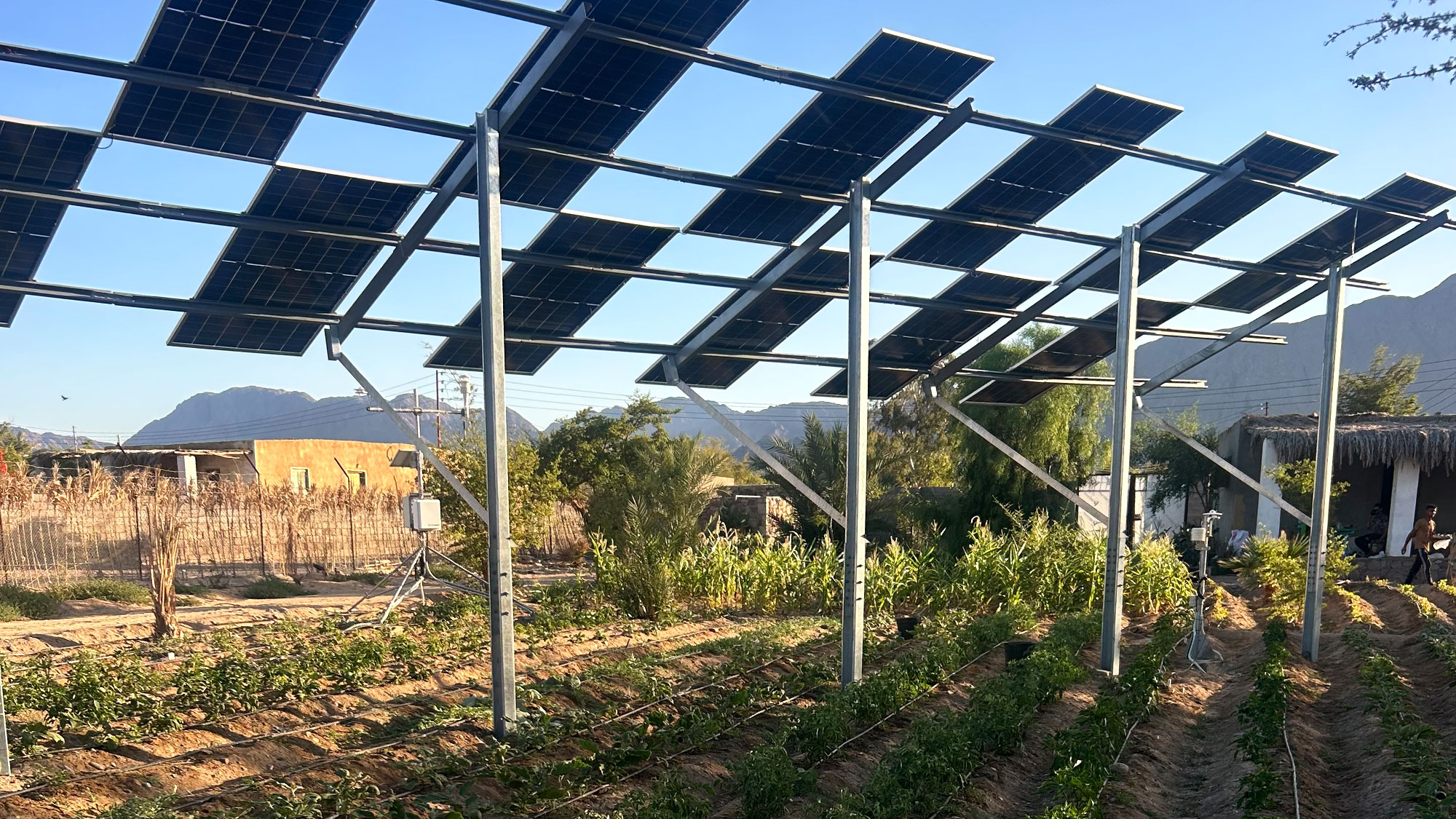
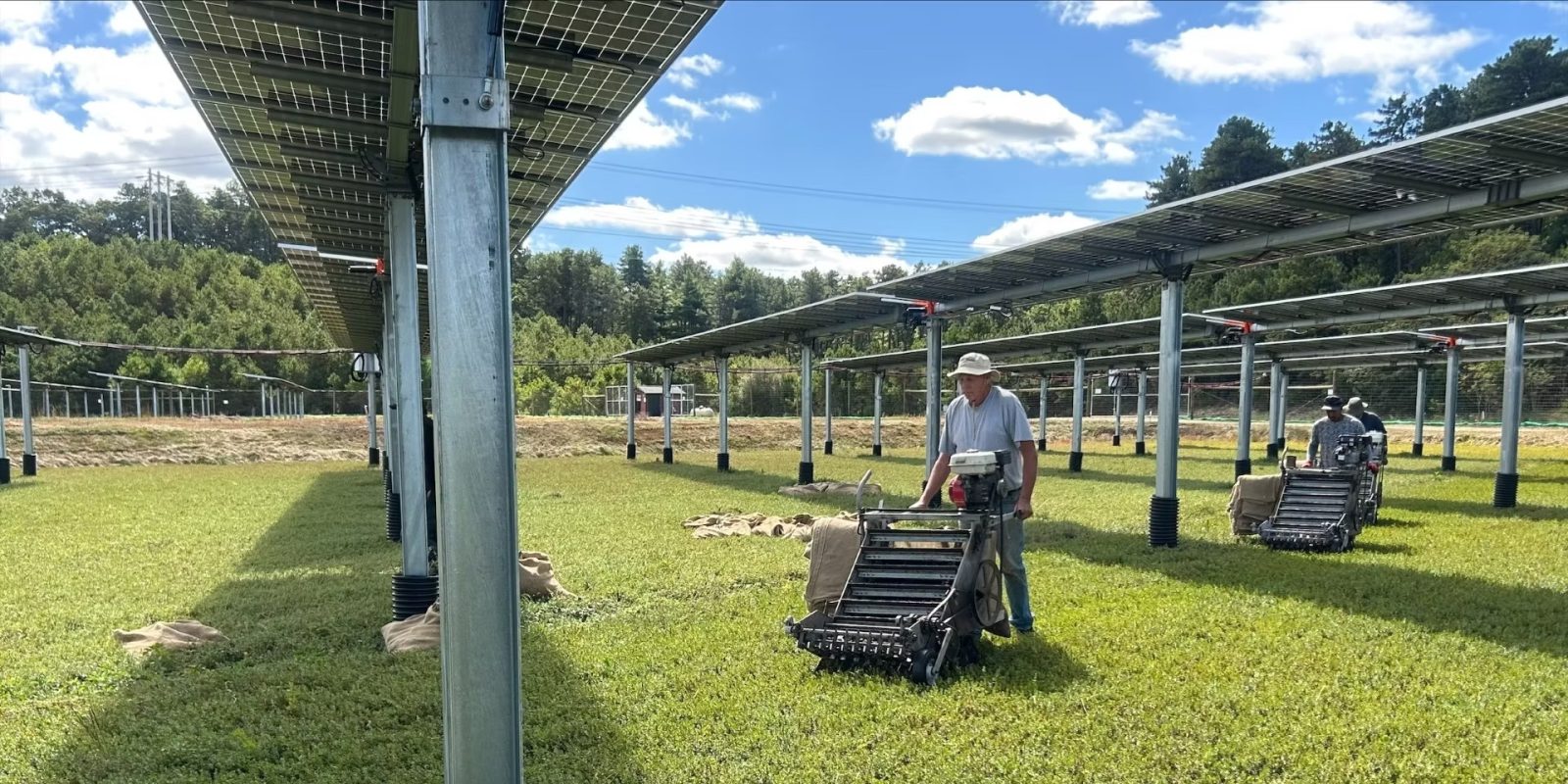
- Distributed Energy Infrastructure (DEI) raised solar panels 10 feet above the bogs with more than 18 feet of clear space between rows so sunlight still reaches the cranberries, with construction taking about eight months — roughly twice a conventional solar project.
- Farmer Iain Ward worked with DEI on construction details, including switching protective ground mats from black to white because black absorbed too much heat during installation.
- Greenbacker Renewables owns both sites: Black Cat pairs 1 MW of solar with 2.7 MWh of battery storage, while Ring Road combines 4.4 MW of solar with a 13.5 MWh battery.
- DEI announced in October what it calls the first-ever agrivoltaic cranberry harvests, dated to fall 2025 — though the release didn't report yield volumes or comparisons with panels-free farming.
Why it matters: For the cranberry growers and landowners weighing whether to lease bog acreage for solar, DEI's October celebration of 'first-ever' harvests arrived without reported yield numbers or per-acre comparisons — leaving unanswered whether 18-foot row spacing, 10-foot-elevated panels, and roughly double the construction time pencil out agronomically for other operators considering the same trade-off.
Ask SkimNews