US-Iran War Expands to Strait of Hormuz, Strains Economies — SkimNews

Get the Geopolitics newsletter
Daily geopolitics — wars, elections, sanctions, the diplomatic moves that move markets. Free.
- Iran has damaged seven oil tankers in the Strait of Hormuz, using the critical waterway to impose costs globally and shifting the conflict's focus from its nuclear program to energy infrastructure.
- The US faces a severe shortage of defensive weapons in the Middle East from countering Iranian drones, with the war costing the Pentagon $38 billion as of August and adding to record national debt.
- Iran's economy has contracted by 10.1% year-on-year, with the US blockade and sanctions causing an estimated $270 billion in damage and squeezing energy exports.
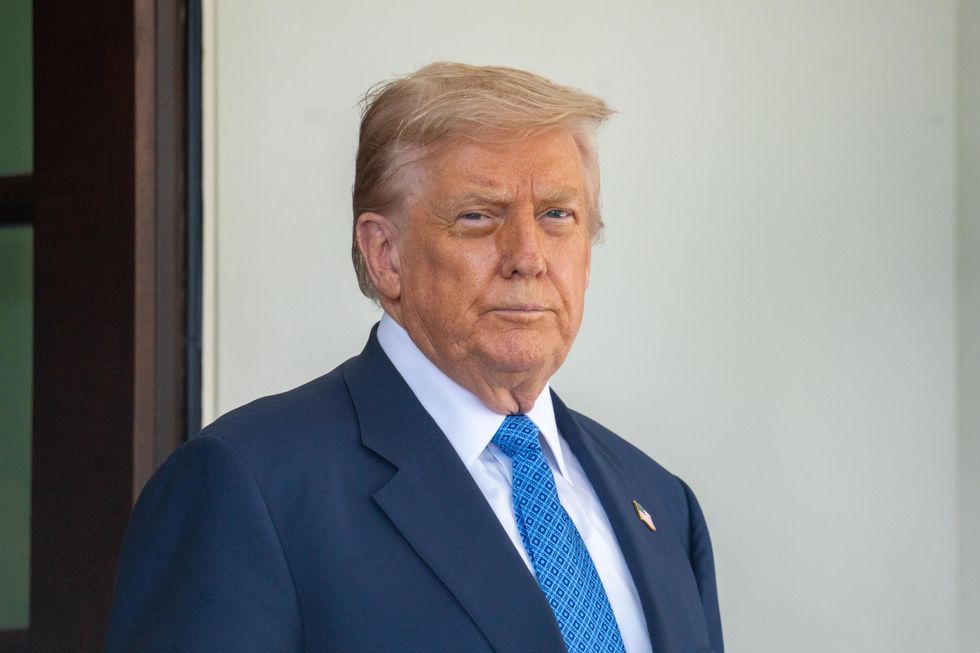
- President Trump's approval rating has fallen to 31% amid high gas prices and deep unpopularity of the war, creating tougher political pressure ahead of midterm elections.
- The Islamic Revolutionary Guard Corps (IRGC) has demonstrated effective asymmetric warfare using cheap drones and decentralized structures, holding off US military superiority.
- The conflict's geography has expanded to include Lebanon via Hezbollah and renewed fighting in Yemen, bringing the Bab al-Mandeb strait into focus as another trade chokepoint.
Why it matters: The US's inability to translate military strikes into strategic victory, combined with Iran's capacity to disrupt global energy supplies through the Strait of Hormuz, creates a costly stalemate. This directly pressures the US economy through war costs and debt, while Iran's crippled economy increases the regime's reliance on asymmetric tactics, raising the risk of further regional escalation.
Ask SkimNews