Excess RNA Damages Mitochondria, Texas A&M Study Finds — SkimNews

Get the Health newsletter
Daily health & science — research, biotech, public health, the studies worth knowing. Free.
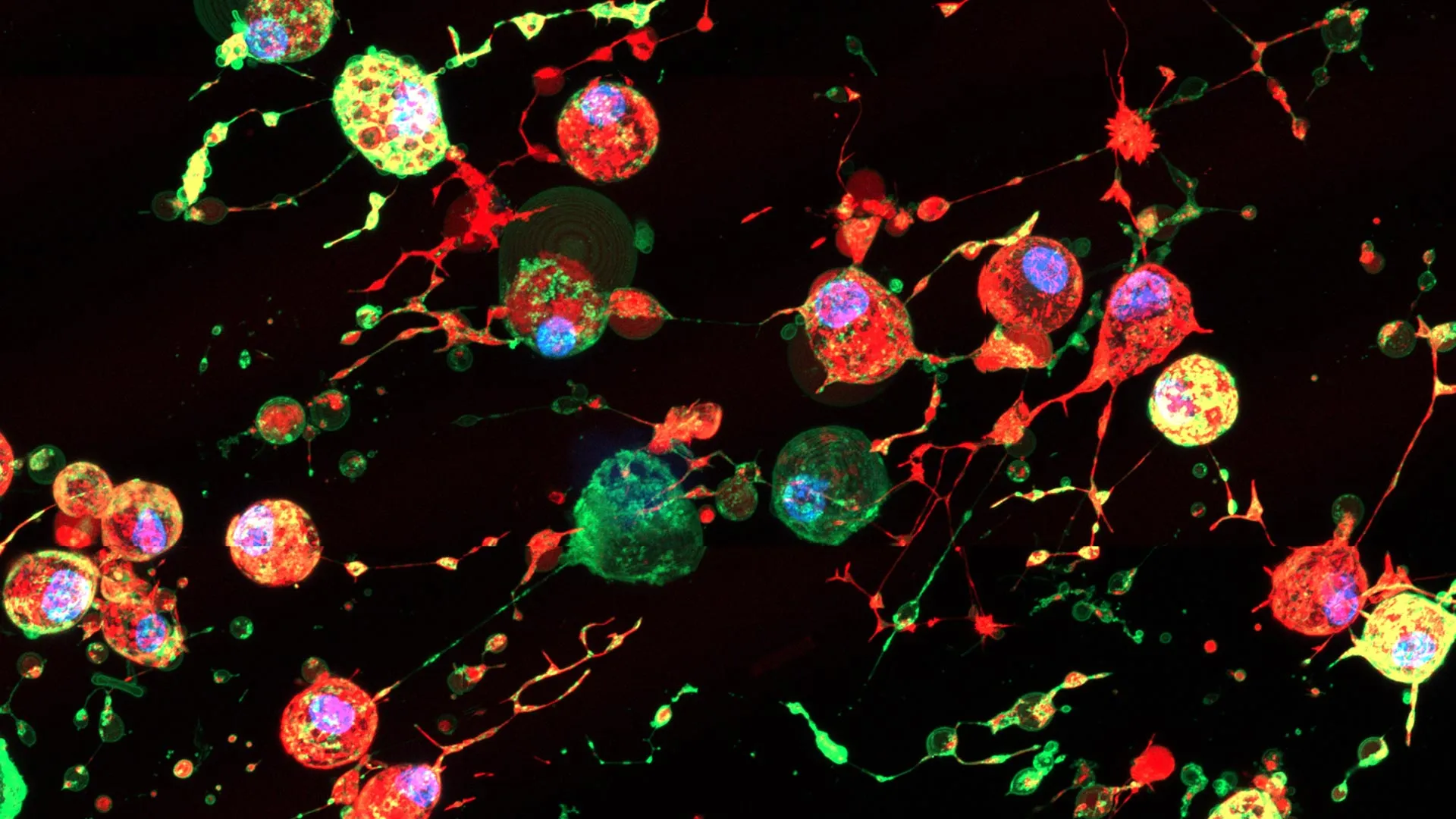
- Texas A&M researchers discovered that excess RNA accumulation impairs mitochondrial respiration during poxvirus infection, directly damaging the cell’s energy-producing structures without immune system involvement.
- Dr. Zhilong Yang emphasized that RNA degradation plays a newly identified role in maintaining cellular energy, beyond its known functions in protein regulation and immune control.
- Dr. Djamal Brahim Belhaouari observed mitochondrial damage when RNA was added directly to isolated mitochondria, proving the effect is independent of immune pathways.
- Messenger RNA (mRNA), normally essential for protein production, was found to harm mitochondria when present in excessive amounts, challenging assumptions about its safety in cellular function.
- Poxviruses appear to regulate RNA levels to prevent mitochondrial damage, preserving host cell health long enough to support viral replication, suggesting an evolutionary balancing act.
- The study proposes that negatively charged RNA may disrupt the electrical gradient across mitochondrial membranes, interfering with ATP production, though the exact mechanism remains under investigation.
Why it matters: This discovery redefines how excess RNA—common in viral infections and aging-related diseases—can directly impair cellular energy, not just trigger immunity. For developers of mRNA vaccines and RNA-based therapies, it highlights a new constraint: managing RNA dosage isn't just about immune response but also mitochondrial health, with implications for treatment safety and design.
Ask SkimNews