Supplement that binds to microplastics may remove them from our body — SkimNews

Get the Health newsletter
Daily health & science — research, biotech, public health, the studies worth knowing. Free.
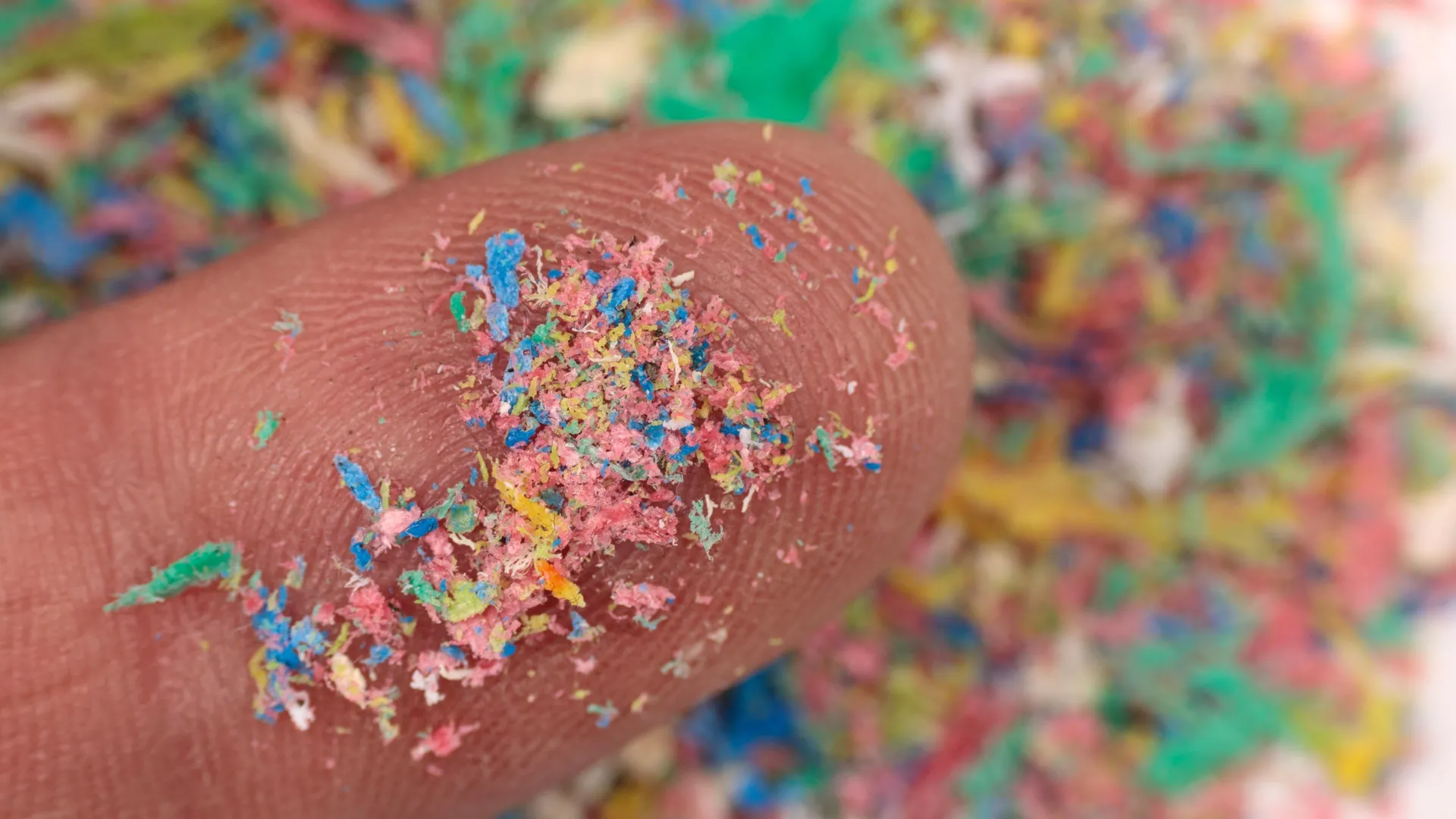
- Quorum Innovations developed Qi601, a postbiotic made from heat-killed Limosilactobacillus fermentum whose rough cell walls bind microplastic particles.
- Qi601 spontaneously bound up to 92% of nanoplastics in simulated digestive fluids and cut intracellular nanoplastic counts in intestinal-like cells by 43% via vesicle recycling.
- A human saliva test had one participant chew commercial gum, releasing 2,152 freely floating plastic particles; adding 10 milligrams of Qi601 powder after 5 seconds of chewing dropped that count to 185.
- Eva Berkes, Quorum's co-founder and chief scientific officer, called it the 'first demonstration of microplastics being bound by a microplastic mitigant in [people]' but acknowledged the study hasn't shown particles were blocked from entering gut cells or were excreted.
- Martin Wagner at the Norwegian University of Science and Technology argued the postbiotic would not address inhaled microplastics or continuous dietary exposure, and that reducing plastic pollution at the source is more efficient.
Why it matters: Quorum Innovations' 92% in vitro binding result positions Qi601 as a potential cheap consumer defense, but the human trial so far only counted saliva particles (2,152 to 185), not gut absorption or excretion, and NTNU's Martin Wagner argues source pollution reduction outperforms any postbiotic mopping up plastic after the fact.
Ask SkimNews