Puerto Rico rooftop solar hits 1.5 GW, passes natural gas — SkimNews
SkimNews Take
Rooftop solar leapfrogging centralized natural gas on an isolated island grid reveals the energy shift is being driven by individual adopters rather than utility procurement — a bottom-up pattern that rewires who is actually building the grid.
Get the Energy newsletter
Daily energy & climate — solar, EVs, oil, the policy fights and tech bets shaping the transition. Free.
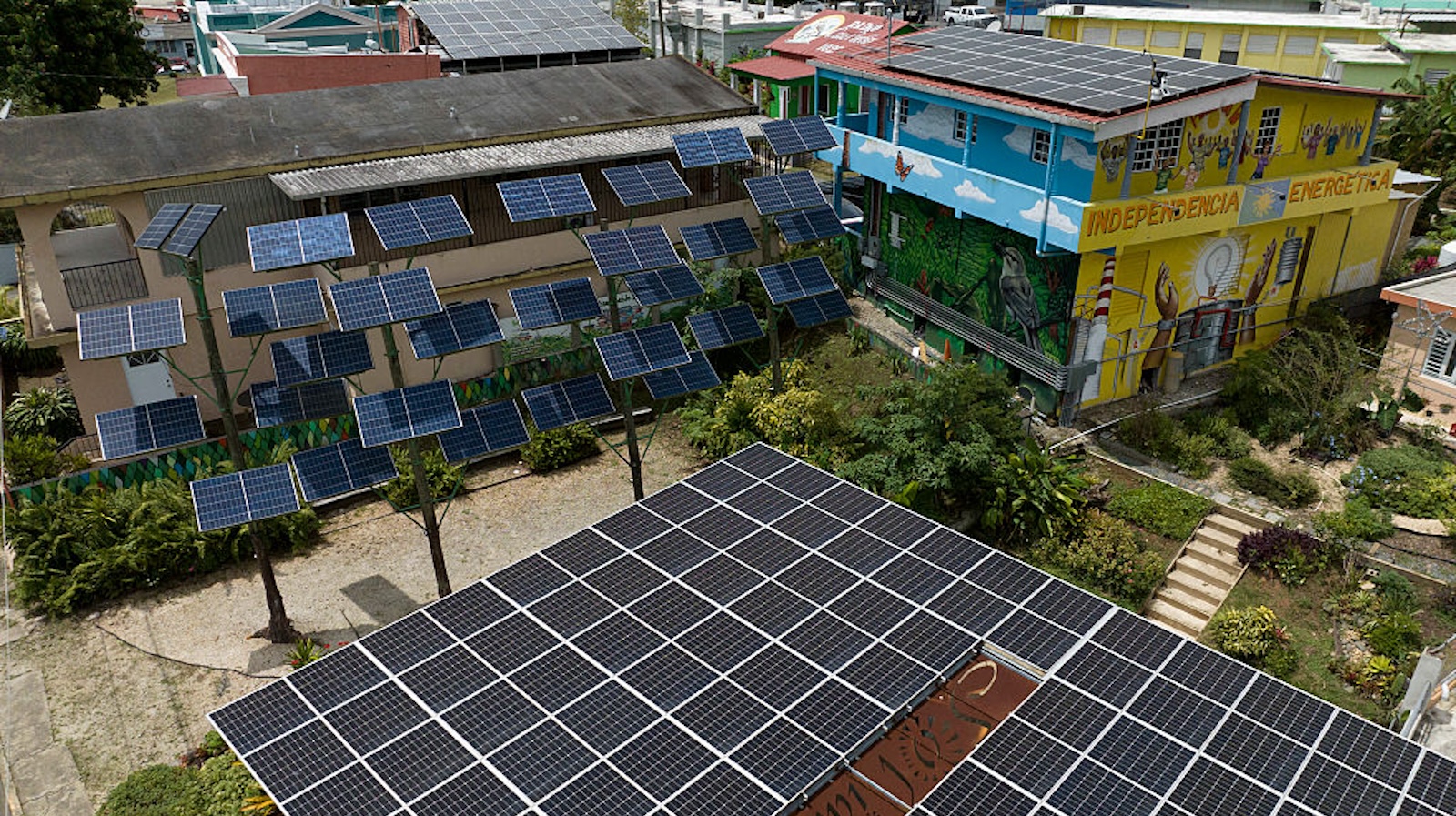
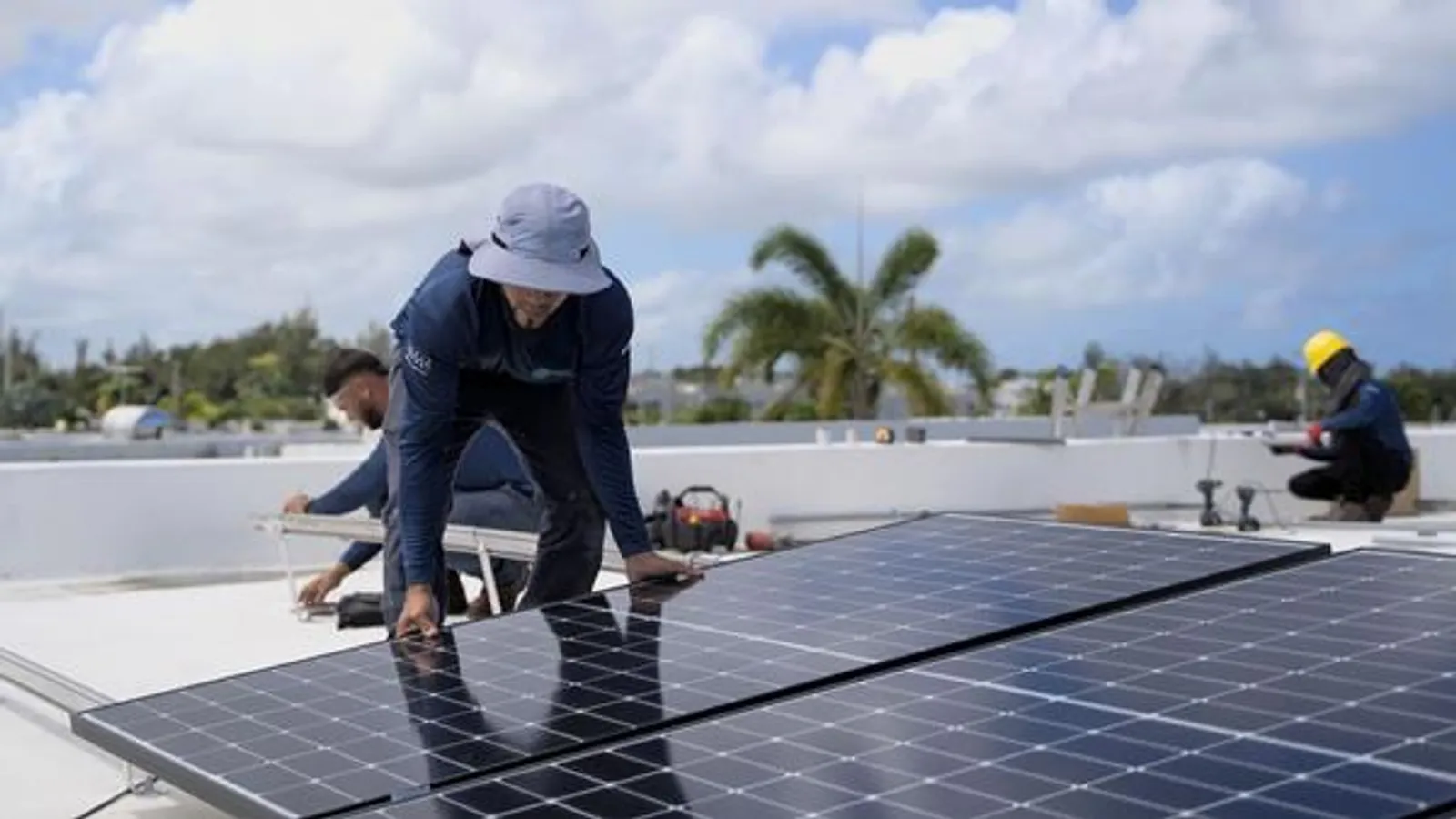
- EIA reported Puerto Rico's rooftop solar capacity hit ~1.5 GW in 2025, passing natural gas to become the territory's second-largest generation source behind petroleum liquids.
- Installations averaged 3,850 rooftop solar systems per month in 2025, bringing the cumulative total to 191,929 systems by year-end, per EIA.
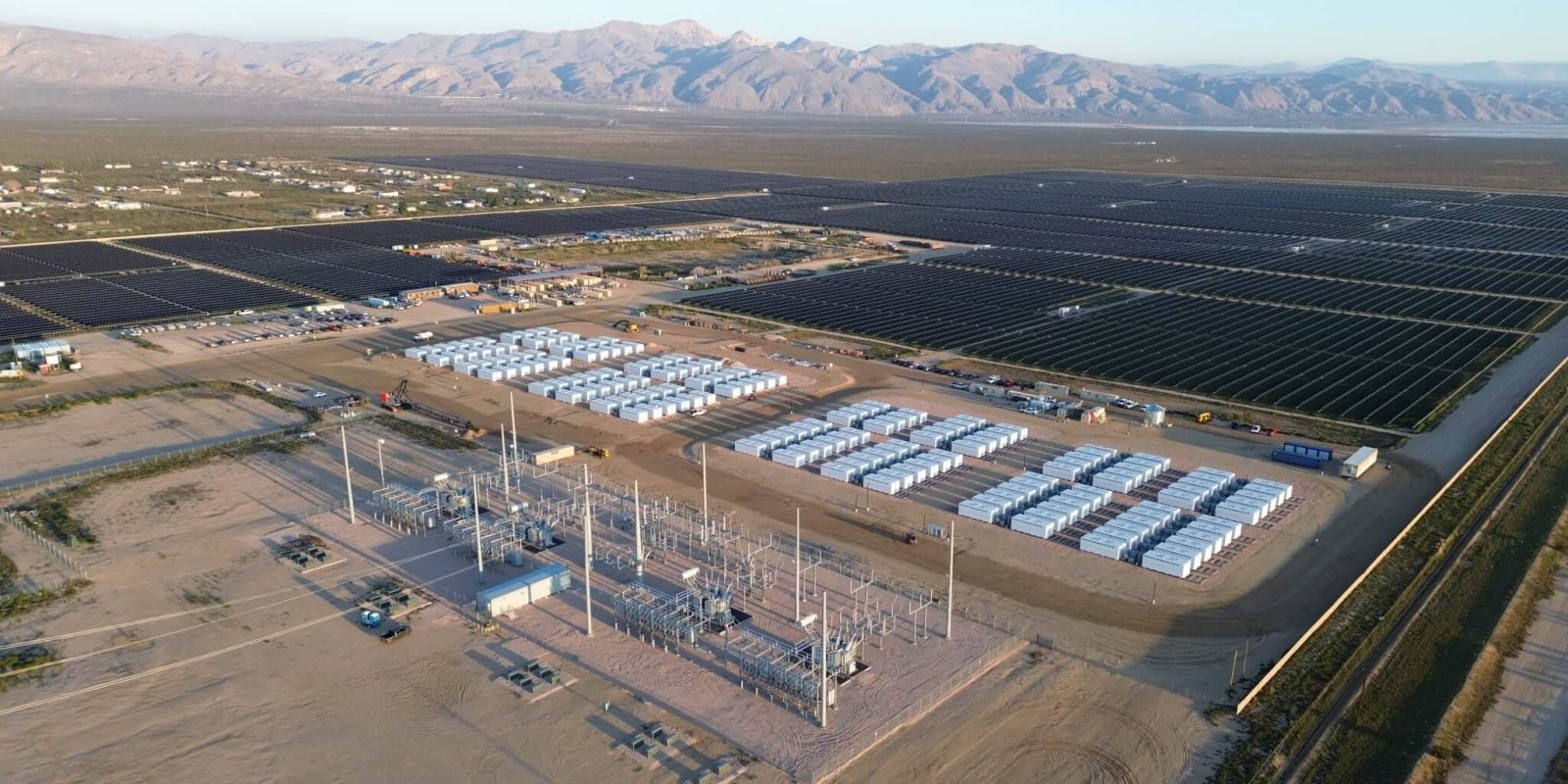
- Puerto Rico also saw distributed battery storage grow to 171,372 household and business systems with a combined 2,864 MWh of capacity by end of 2025, per the Puerto Rico Energy Bureau.
- Rooftop solar generation has risen every year since Hurricane Maria knocked out 80% of the island's grid in 2017.
- The Trump administration canceled $300 million in solar installation funding for Puerto Rico in January, citing grid instability from rapid rooftop solar deployment.
- LUMA Energy expanded its Customer Battery Energy Sharing program in summer 2025, creating virtual power plants with Sunrun and Tesla to supply the grid during forecasted shortages.
- New LUMA CEO Janisse Quiñones began her tenure this week, naming "transform" and "stabilize" the island's fragile grid as her two priorities.
Why it matters: With 191,929 rooftop systems now in place, Puerto Rico has become a live test of whether distributed energy can displace centralized generation — yet the Trump administration is simultaneously pulling $300 million in solar funding even as LUMA builds virtual power plants with Sunrun and Tesla to manage the very grid fluctuations the DOE cited.
Ask SkimNews