LNG-Backed Nations Move to Scrap IMO Carbon Levy — SkimNews

SkimNews Take
The pursuit of LNG as a "transition fuel" risks diverting investment and focus from truly decarbonizing shipping, potentially prolonging the industry's reliance on fossil fuels.
Get the Energy newsletter
Daily energy & climate — solar, EVs, oil, the policy fights and tech bets shaping the transition. Free.
- Liberia, Panama and Greece shifted from supporting strict greenhouse gas controls to attempting to scrap new shipping decarbonisation regulation at IMO talks, according to insiders on the negotiations.
- The US, Saudi Arabia and Qatar — all with major LNG interests — disrupted the IMO talks last year, and were joined by Liberia and the Marshall Islands, whose open flag registries are "strongly correlated with LNG exposure" (UCL's Tristan Smith).
- The International Maritime Organization reached a breakthrough in April when members agreed to a "net zero framework" including a new carbon levy on shipping, but by October the levy was put on ice for a year; no decision on its future is expected until October.
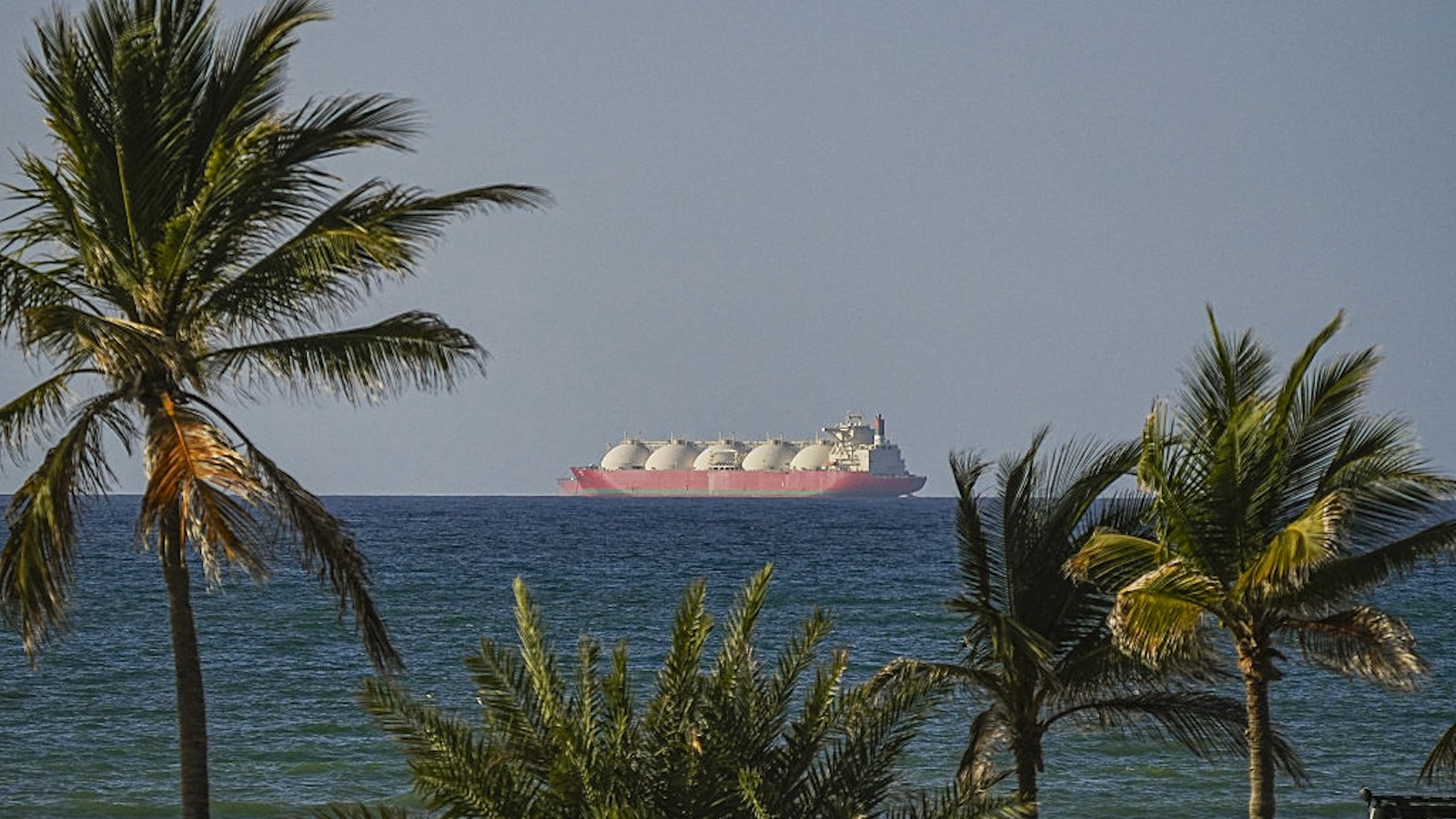
- The LNG industry has 337 new vessels on order — nearly half the size of the current global fleet of just over 750 — with International Gas Union communications director Ella Minty arguing LNG "will remain a critical fuel" for developing-world energy demand growth.
- LNG tankers are especially exposed to the energy transition, representing "a relatively new and capital-heavy segment" expected to face oversupply under both 1.5°C and 2°C climate scenarios, per UCL's Marie Fricaudet.
- Roughly 40% of the global shipping fleet carries fossil fuel cargo, a trade that "must be phased out to prevent the most severe impacts of climate change" (Fricaudet).
- The Clean Shipping Coalition and civil society observers say a working majority of countries still backs decarbonisation, with CSC president Delaine McCullough urging IMO members to "hold the line against those looking to once again disrupt and delay."
Why it matters: The April carbon levy was a decade-long breakthrough on an industry that produces about 3% of global greenhouse gases. With 337 new LNG vessels on order and roughly 40% of the global fleet carrying fossil fuel cargo, opposition is concentrated and well-capitalized. The October decision point on the levy's future will determine whether the IMO's net-zero framework survives.
Ask SkimNews