IMO Meets Hormuz Closure to Vote on Net‑Zero Shipping — SkimNews
SkimNews Take
Geopolitical instability in critical shipping lanes is inadvertently strengthening the hand of nations less inclined to prioritize decarbonization efforts, potentially derailing global environmental targets.
Get the Energy newsletter
Daily energy & climate — solar, EVs, oil, the policy fights and tech bets shaping the transition. Free.
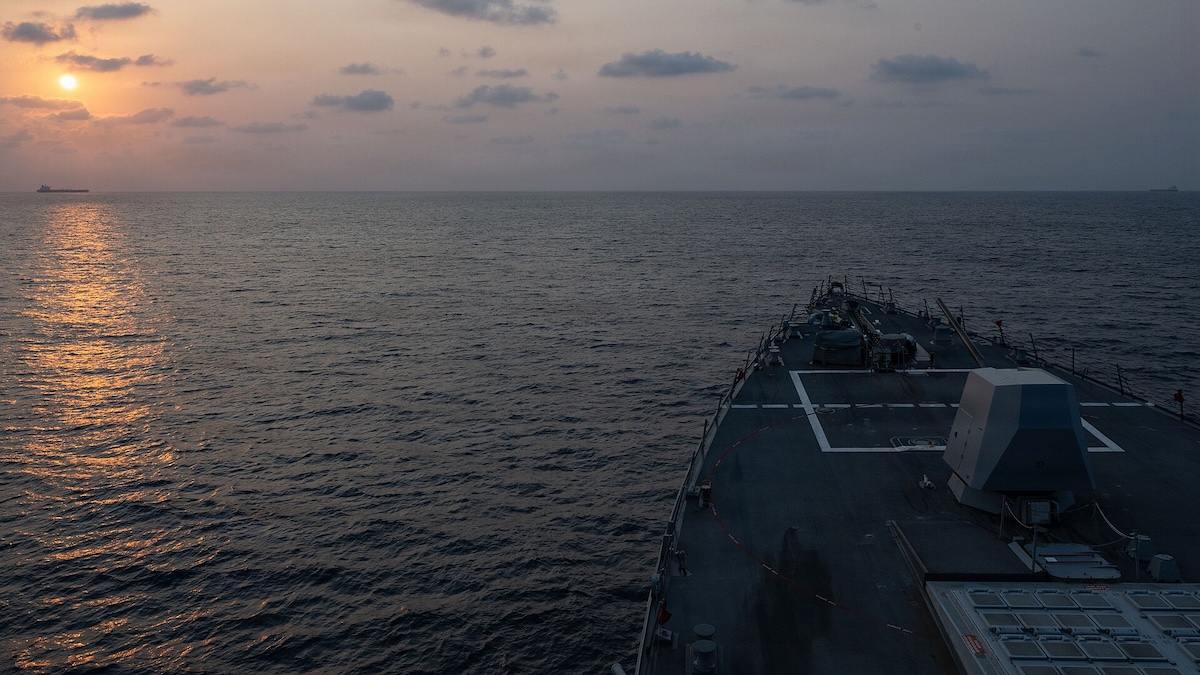
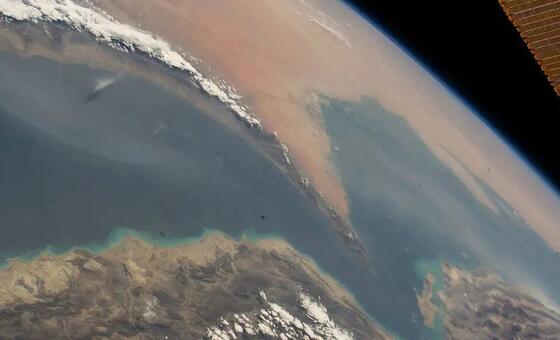
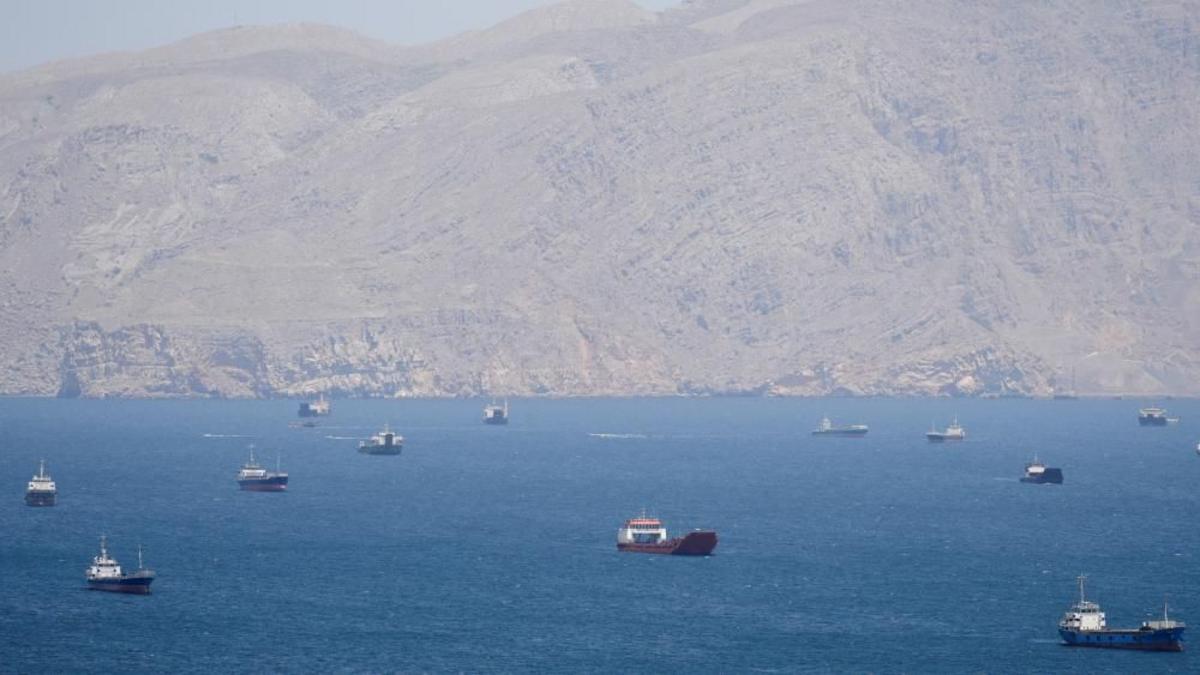
- Iran seized the Strait of Hormuz again over the weekend, halting passage for ships that carry 20% of global oil supply and leaving over 150 vessels marooned.
- IMO convened its annual meeting to vote on a net‑zero emissions framework that would levy fees on shippers for each ton of CO₂ above a set threshold, with proceeds earmarked for cleaner fuel development and aid to low‑income nations.
- Trump administration warned that supporting the framework would trigger U.S. visa bans, extra tariffs and port fees, prompting many nations to postpone adoption by at least a year.
- Japan submitted a proposal to modify the IMO net‑zero framework, offering an alternative emissions‑pricing approach.
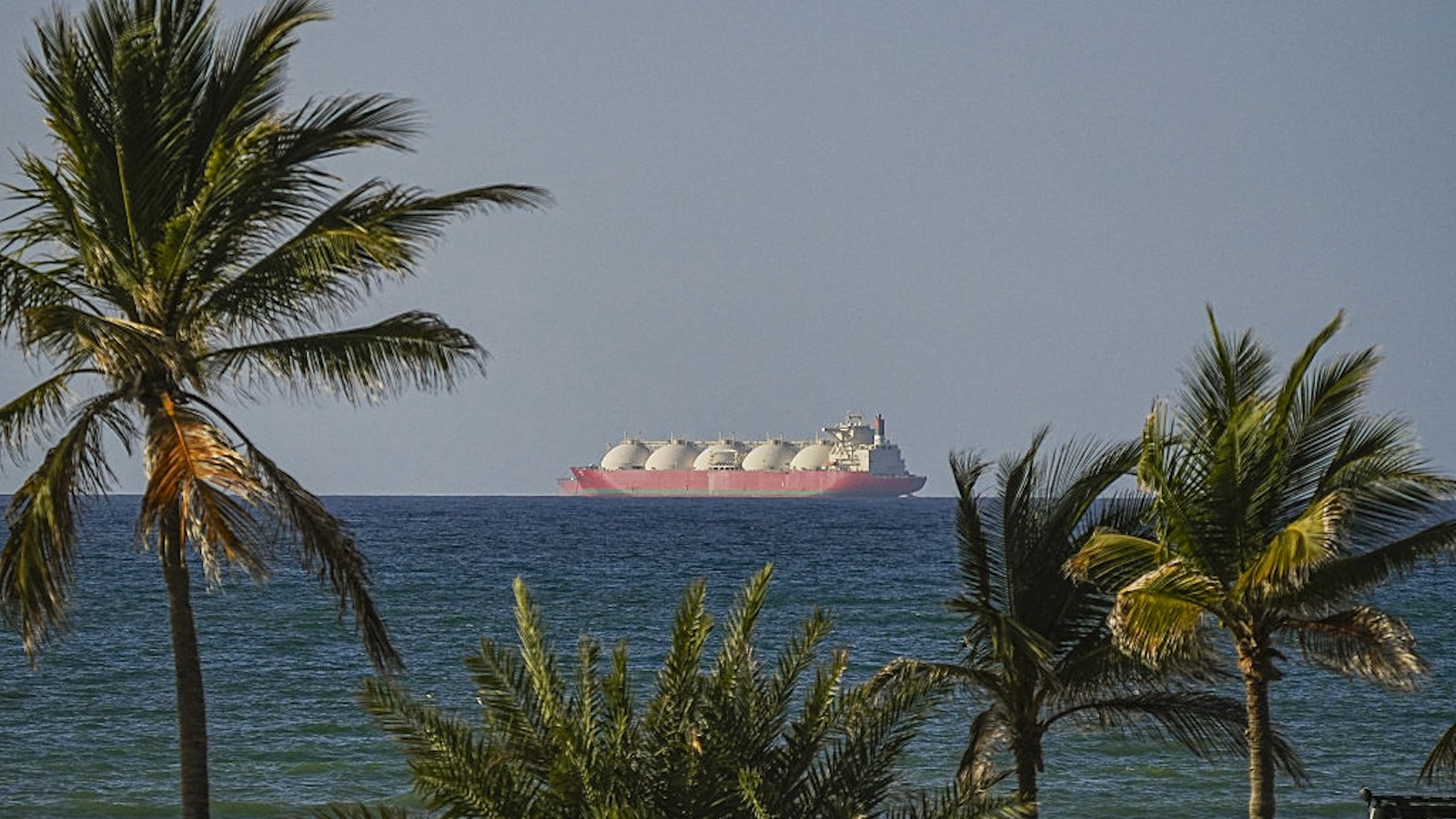
- Evelyne Williams of the Center on Global Energy Policy warned that the Iran‑Houthi conflict gives the U.S. leverage in LNG markets, complicating global consensus on shipping decarbonization.
Why it matters: Shipowners will pay fees for each ton of CO₂ above the IMO’s threshold, while the fund—sized by fees from the 150 marooned vessels—will finance cleaner fuels and aid low‑income nations, tightening margins and accelerating decarbonization.
Ask SkimNews