High-Dose IV Vitamin C Acts Like Selective Cancer Drug — SkimNews
SkimNews Take
When negative trial results settle debates for decades, the overlooked variable is often delivery route — suggesting other "debunked" therapies may deserve retesting once bioavailability is properly matched to the claimed mechanism.
Get the Health newsletter
Daily health & science — research, biotech, public health, the studies worth knowing. Free.
- Linus Pauling partnered with Scottish doctor Ewan Cameron in the 1970s, giving patients with advanced, incurable cancer very high doses of vitamin C first by IV drip, then as tablets, reporting longer survival compared with similar untreated patients.
- Mayo Clinic ran two large follow-up trials using only oral vitamin C pills and found no benefit, discrediting the approach for most oncologists and cementing Pauling's reputation as a cautionary tale of the 'halo effect.'
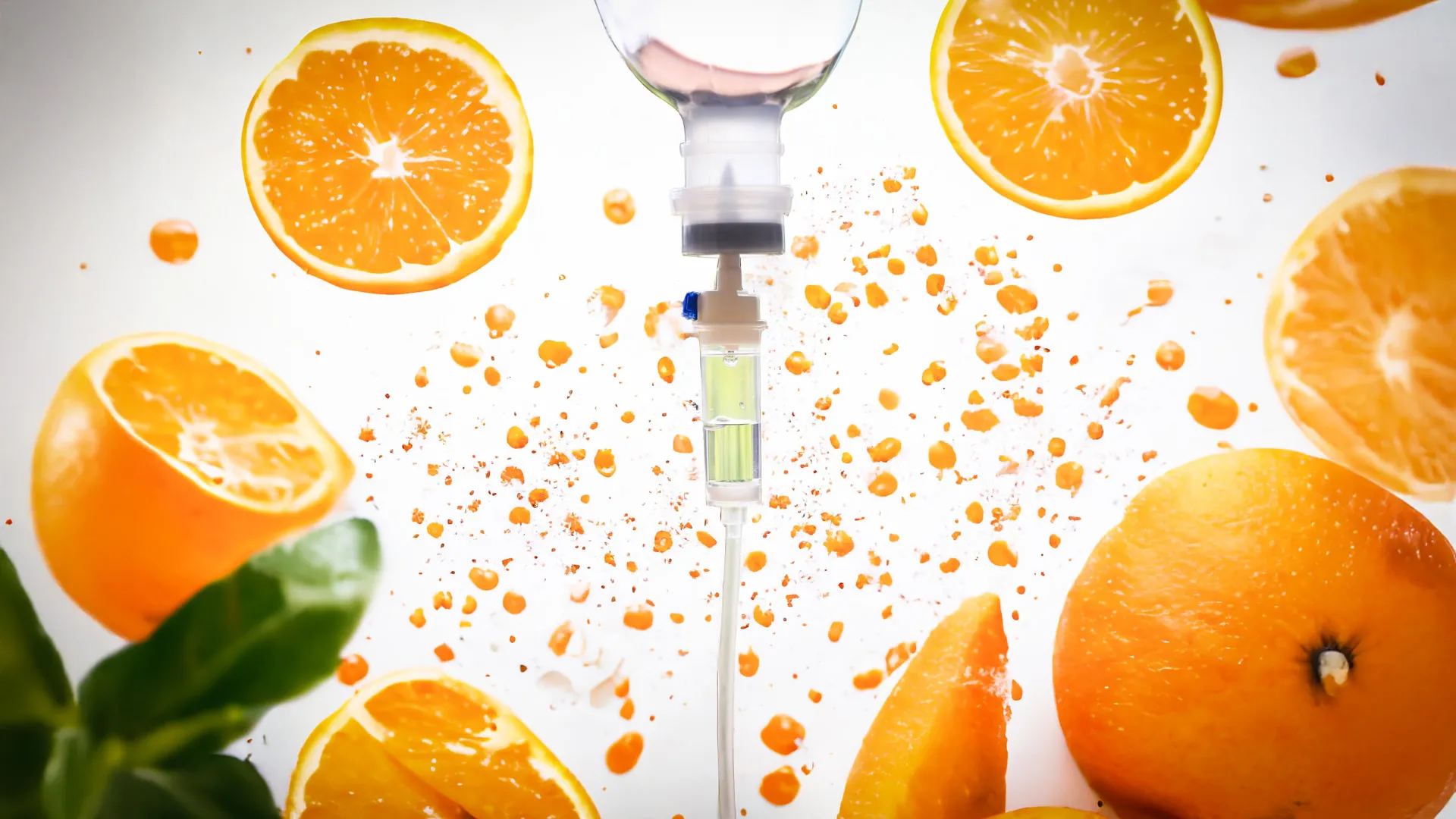
- The overlooked difference: IV administration can raise blood vitamin C levels to tens or hundreds of times higher than tablets, because the gut stops absorbing the vitamin once a modest daily dose is reached.
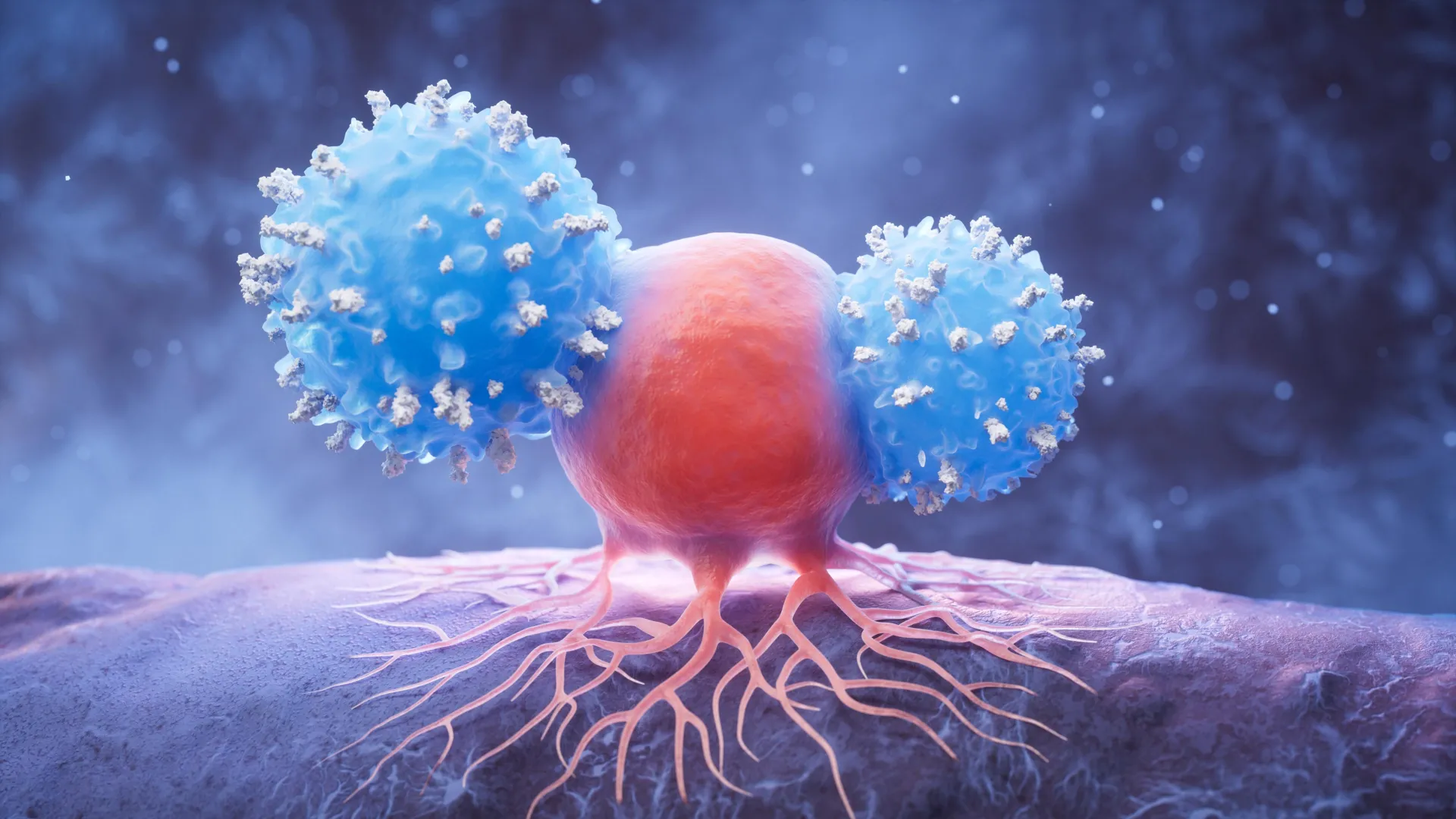
- At those extreme concentrations, vitamin C stops acting as an antioxidant and instead generates hydrogen peroxide, which is especially toxic to cancer cells already strained by rapid growth and poor blood supply — making it behave like a weak, selective chemotherapy drug.
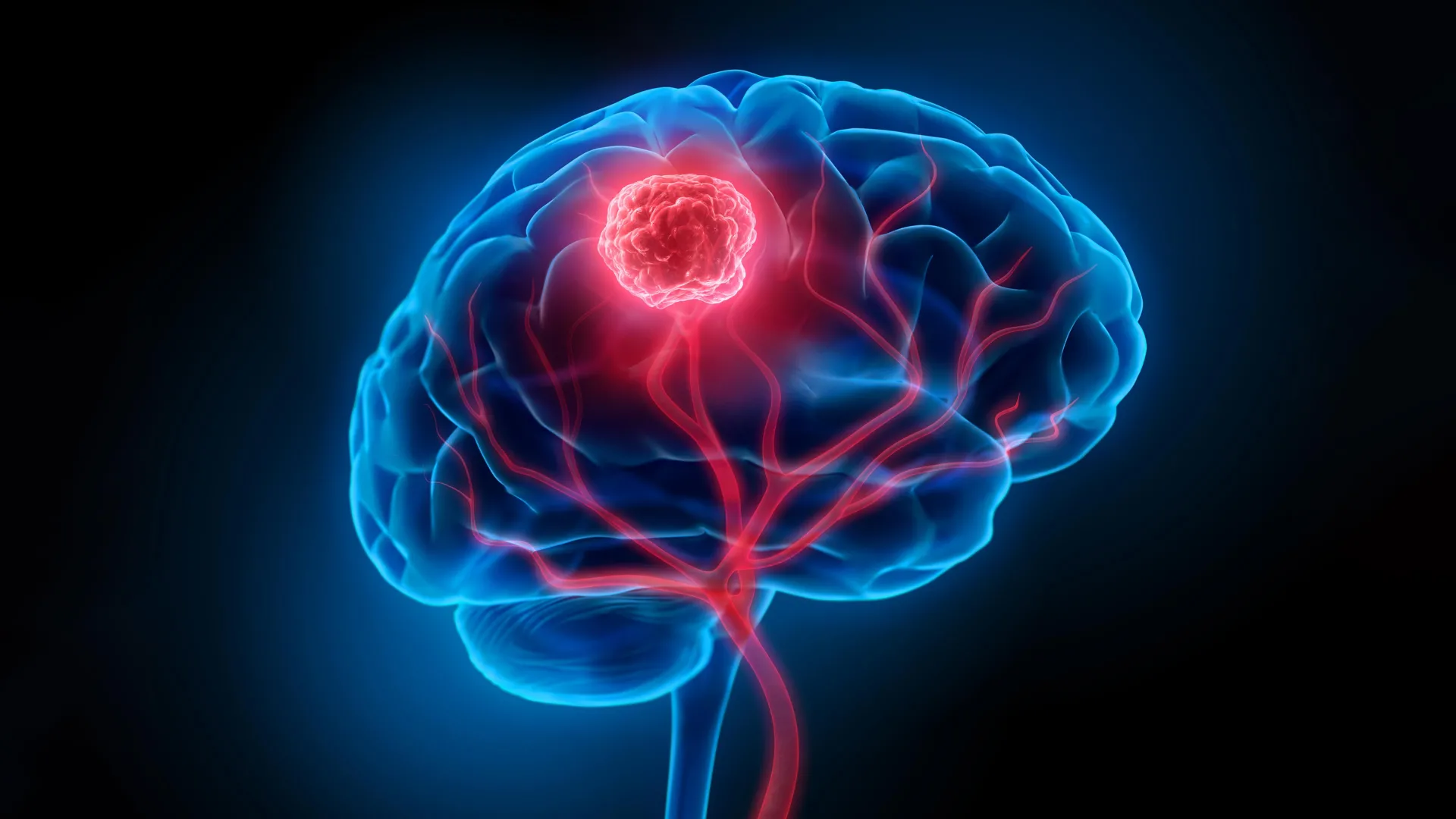
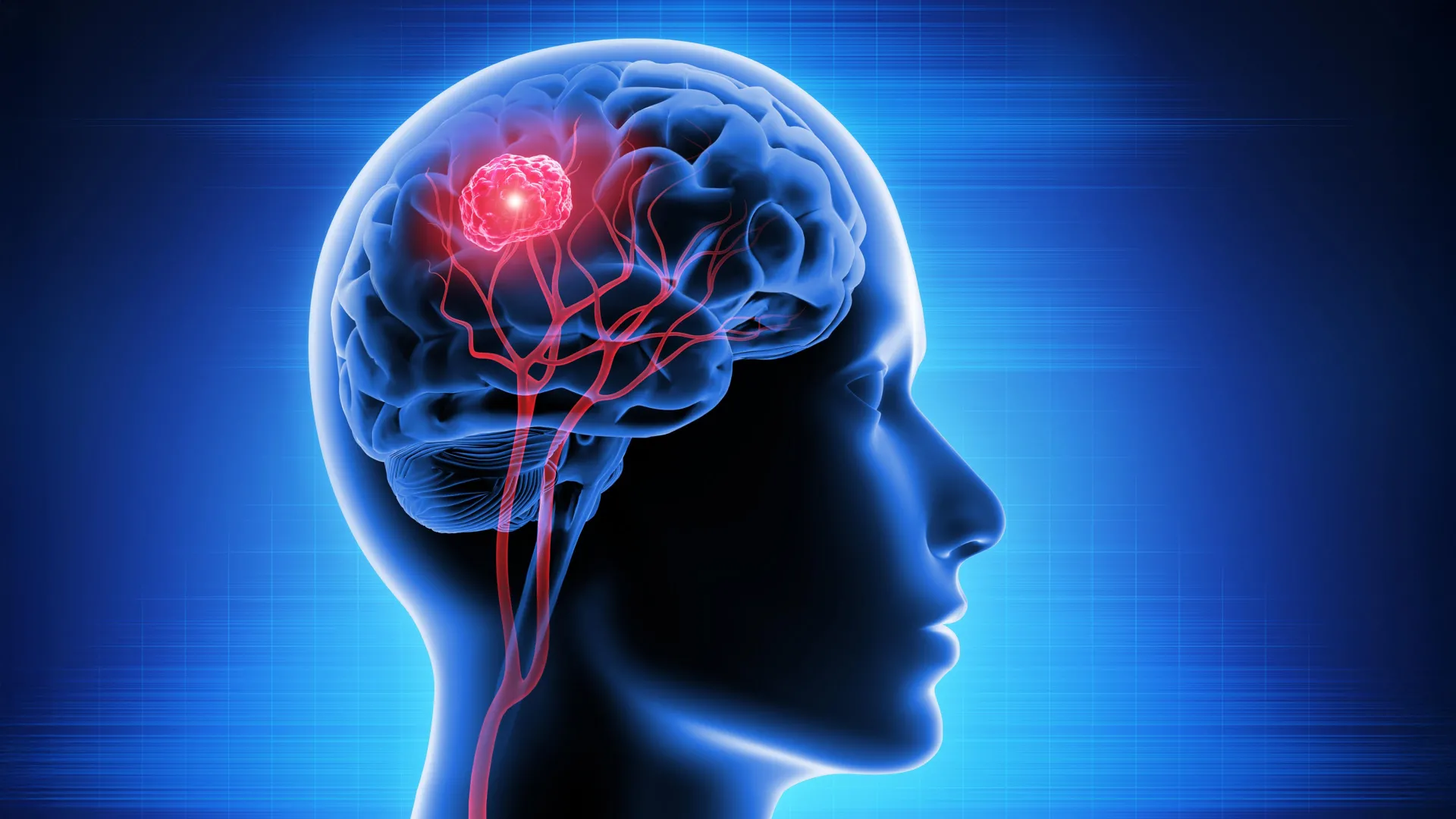
- Small trials in hard-to-treat cancers — ovarian, pancreatic, and brain tumors — have shown patients can tolerate large IV doses several times weekly without serious side effects, though caution is needed for those with poor kidney function or certain inherited conditions.
- Studies suggest adding IV vitamin C to chemotherapy may modestly help with fatigue, pain, and nausea, but large, definitive randomized trials are still lacking, and the author warns against 'immune boost' IV clinics selling the treatment without evidence.
- Modern research also hints that vitamin C may help immune cells recognize tumors and influence how DNA is marked and read, though these roles remain speculative.
Why it matters: Patients with hard-to-treat cancers may gain a low-toxicity adjunct that eases chemotherapy side effects, but the Mayo Clinic's earlier pill-only trials meant decades of oncologists dismissed a mechanism that only IV delivery can activate. Until large randomized trials confirm survival benefits, IV vitamin C belongs in supervised clinical trials, not in wellness clinics selling expensive drips.
Ask SkimNews