US Has Burned Through Half Its Key Missiles in Iran War — SkimNews

Get the Geopolitics newsletter
Daily geopolitics — wars, elections, sanctions, the diplomatic moves that move markets. Free.
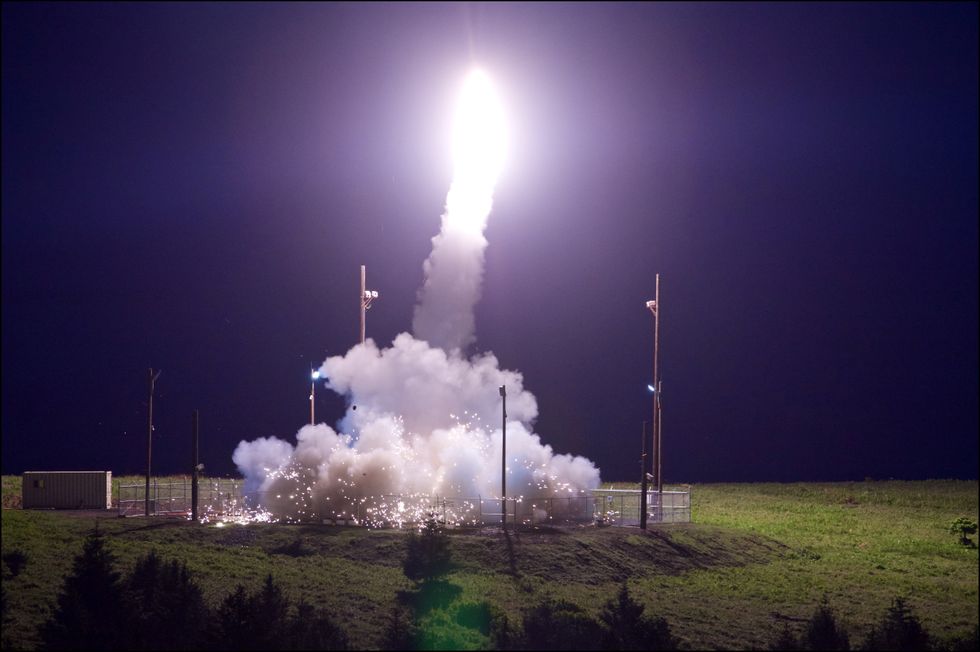
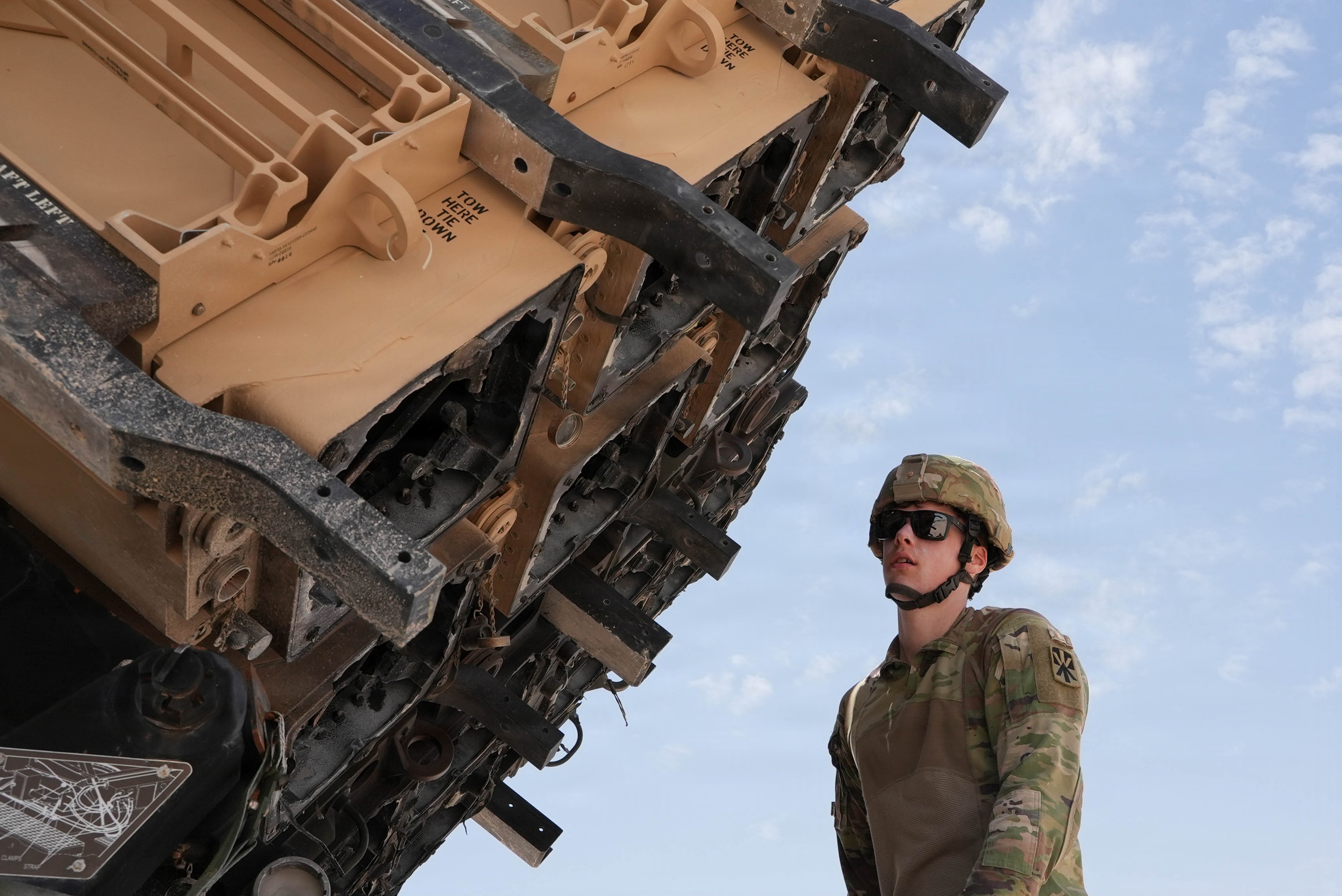
- CSIS estimates the US has consumed as much as half of certain key defensive and offensive missiles in the Iran conflict, with roughly 1,200 Patriot interceptors expended from a pre-war inventory of about 2,500.
- Patriot interceptors cost roughly $4 million each and take about 36 months from contract to delivery, though annual production is scaling from 350 toward a target of 2,000 per year by the end of the decade.
- Offensive munitions including Tomahawk cruise missiles, ATACMS, PrSM, JASSM, and AASM have all been reportedly used in significant numbers, alongside defensive systems like THAAD, SM-3, and SM-6 interceptors.
- The Pentagon has been pulling equipment from the Indo-Pacific to sustain the Iran conflict, leaving shortages that CSIS says undermine US conventional deterrence against China and conventional warfighting in the Pacific.
- Saudi Arabia and the UAE have also been expending large numbers of Patriot interceptors defending against Iranian missile attacks, per news reports cited by CSIS.
- Ukraine aid has become a harder choice due to depleted US inventories, with the US now facing the dilemma of "peanut butter spreading" munitions globally or leaving gaps in some theaters.
Why it matters: With up to half of key US missiles expended in the Iran war, the White House faces a binding constraint on its ability to deter China in the Pacific and resupply Ukraine — exactly the two theaters where adversaries are watching for signs of American overextension. CSIS's Tom Karako warns the inventory drain is already forcing trade-offs between frontline theaters.
Ask SkimNews