Duke injectable scaffold rebuilds brain after stroke in mice — SkimNews
Get the Health newsletter
Daily health & science — research, biotech, public health, the studies worth knowing. Free.
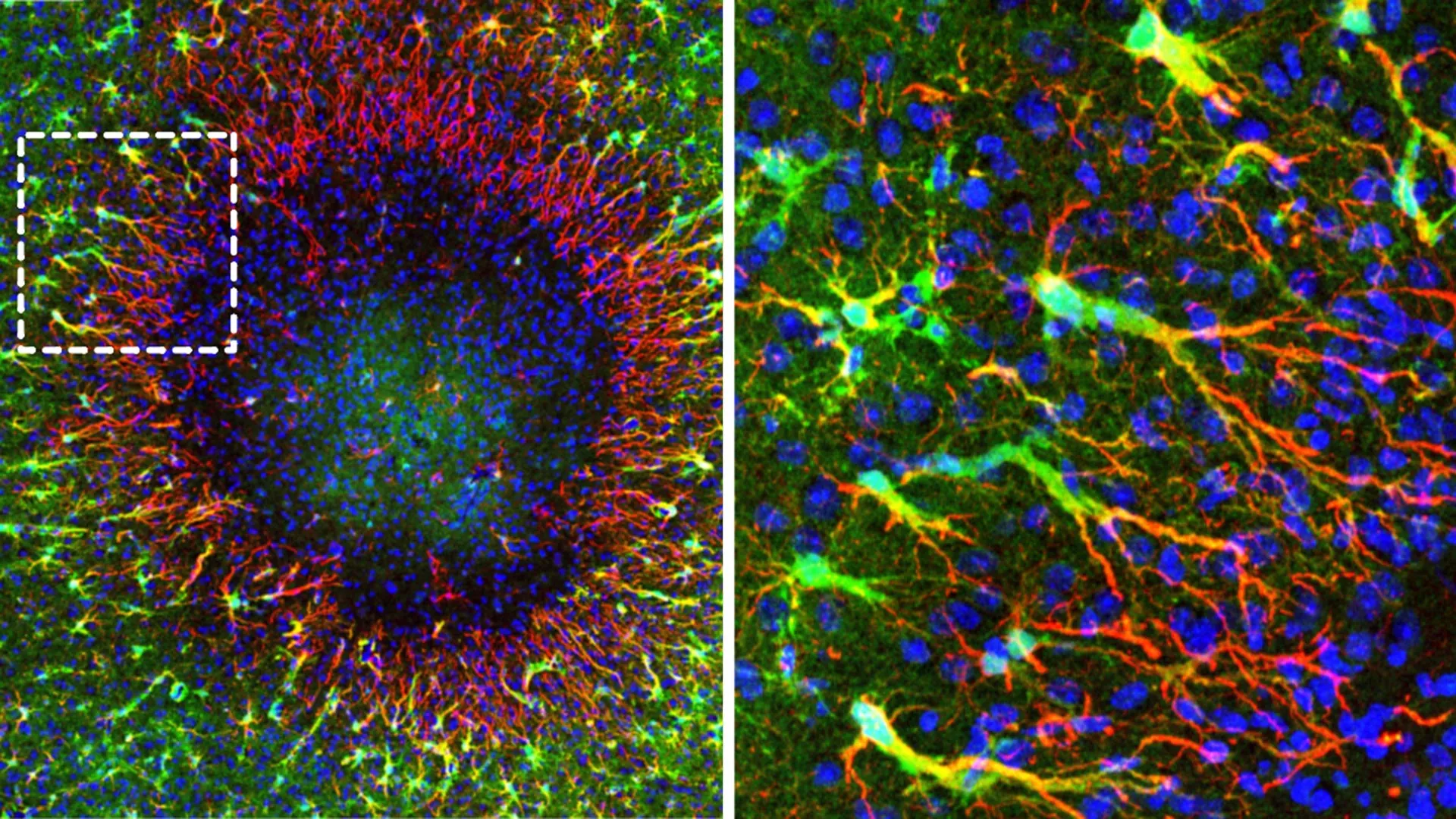
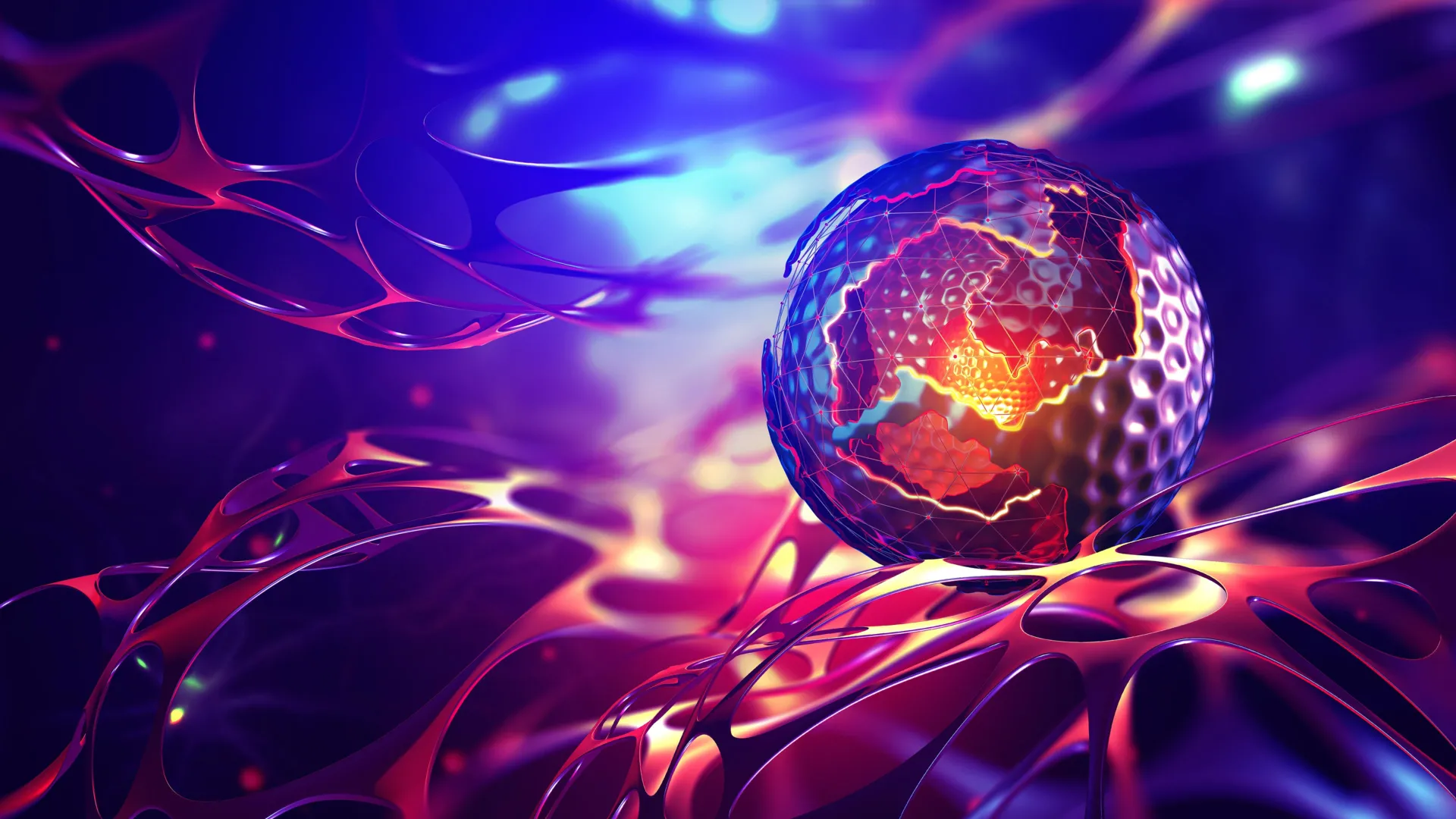
- Duke University researchers built a microporous hydrogel scaffold (MAPS) loaded with astrocyte-derived extracellular vesicles, which in mouse stroke models recruited immune cells, regrew blood vessels, restored axons, and returned forelimb performance to statistically indistinguishable from healthy controls by week eight.
- Tatiana Segura's team concentrated repair signals by chemically attaching the vesicles to microparticle surfaces; the standout combination of IL-4 and C1q signaling was especially effective at drawing macrophages and a persistent population of neutrophils into the stroke cavity.
- When researchers depleted the neutrophil-rich immune-cell population, blood vessel formation declined substantially, indicating that cells typically viewed as inflammatory agents were instead driving tissue repair.
- The scaffold was essential: the same vesicles administered without the MAPS architecture failed to produce comparable blood vessel repair, showing the porous material was coordinating the response, not just delivering cargo.
- Findings appear in Cell Biomaterials (Xin et al., 2026), with Segura's lab now working to replace rat-derived vesicles with EVs from human induced pluripotent stem cell-derived astrocytes for a more scalable, clinically relevant source.
- The work reframes neutrophils as context-dependent repair cells rather than damage agents, with lead scientist Shangjing Xin noting their role depends on timing, location, and the surrounding signals.
Why it matters: Ischemic stroke leaves millions each year with permanently lost brain tissue and no treatment that rebuilds it. This preclinical Duke approach reframes recovery as environmental engineering — recruiting the body's own immune and vascular systems rather than transplanting new cells — though it must still survive mouse-to-human translation before any clinical trial becomes possible.
Ask SkimNews